
Field record
- Where
- Saganoseki, Oita City, Oita
- When
- November 19–25, 2025 (one week from the day after the fire)
- What
- A large urban fire that broke out on the evening of November 18
- My role
- Communications and documentation for an international NGO's emergency relief team (six people)
Key points
- On the evening of November 18, 2025, a large fire broke out in Saganoseki, Oita City. 187 buildings burned, across an area of about 4.9 hectares.
- For a week from the day after the fire, I went to the evacuation centers as communications and documentation staff for an international NGO's emergency relief team (six people). More than 70 percent of the evacuees were elderly.
- I wrote about emergency relief, where what people need right now is asked for and delivered the same day, and about the distance of filming in a place where every photo and every shot required permission.
First published 2025.11.25 (Instagram) / Updated
Oita City is a port city on the east coast of Kyushu. On the evening of November 18, 2025, a large fire broke out in the harbor community of Saganoseki, at the city's eastern edge. The fire spread across a hillside crowded with houses; 187 buildings burned, across an area of about 4.9 hectares. It was my first time at a disaster site in Japan.
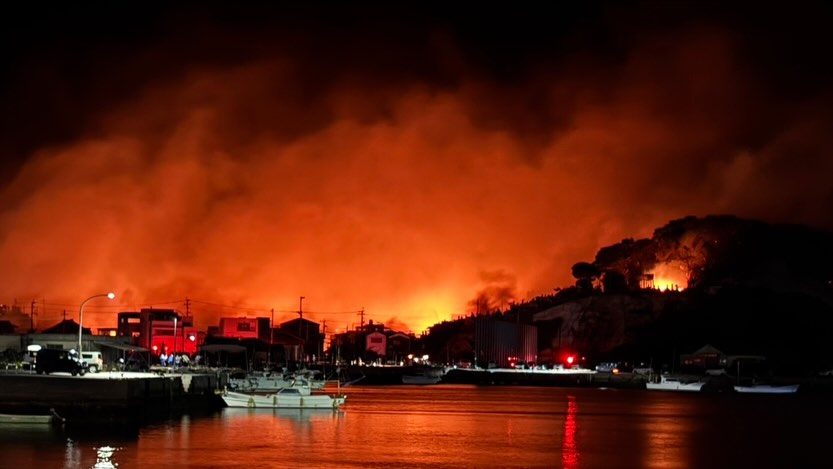
The day after, with a team of six
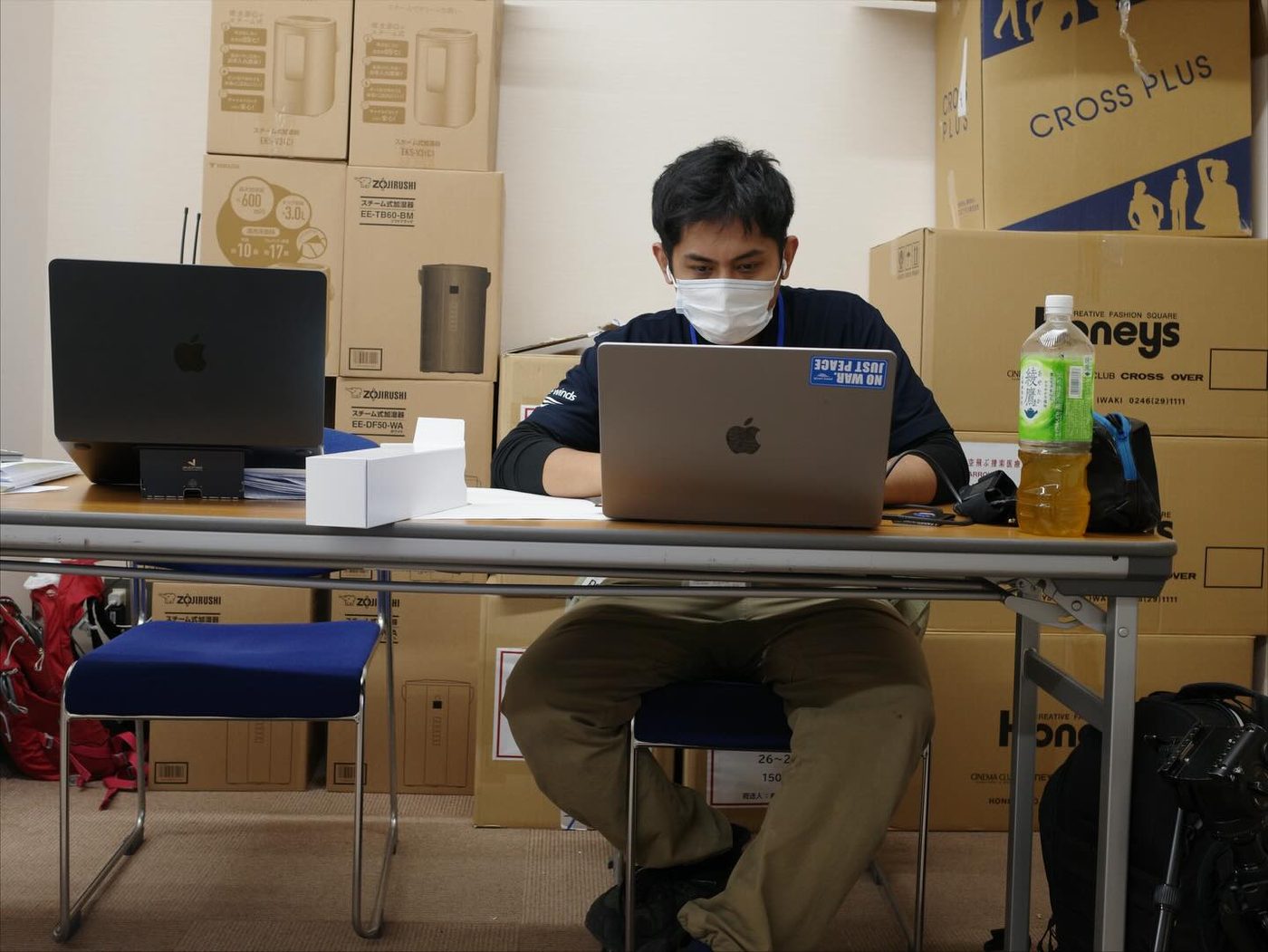
We went as a team of six led by a firefighter, including a nurse and a staff member specializing in rescued dogs and cats. On the 19th we received briefings on the way, and on the 20th we arrived. Seeing the shape of the land as we traveled, it reminded me of Wajima in Noto. Many elderly people lived there. At the evacuation centers, more than 70 percent were elderly. Many walked with canes. One person said they could not even bring a bag.
The smell of burning hung in the air the moment we arrived. The sound of firefighting helicopters echoed without pause. The atmosphere was extremely tense.
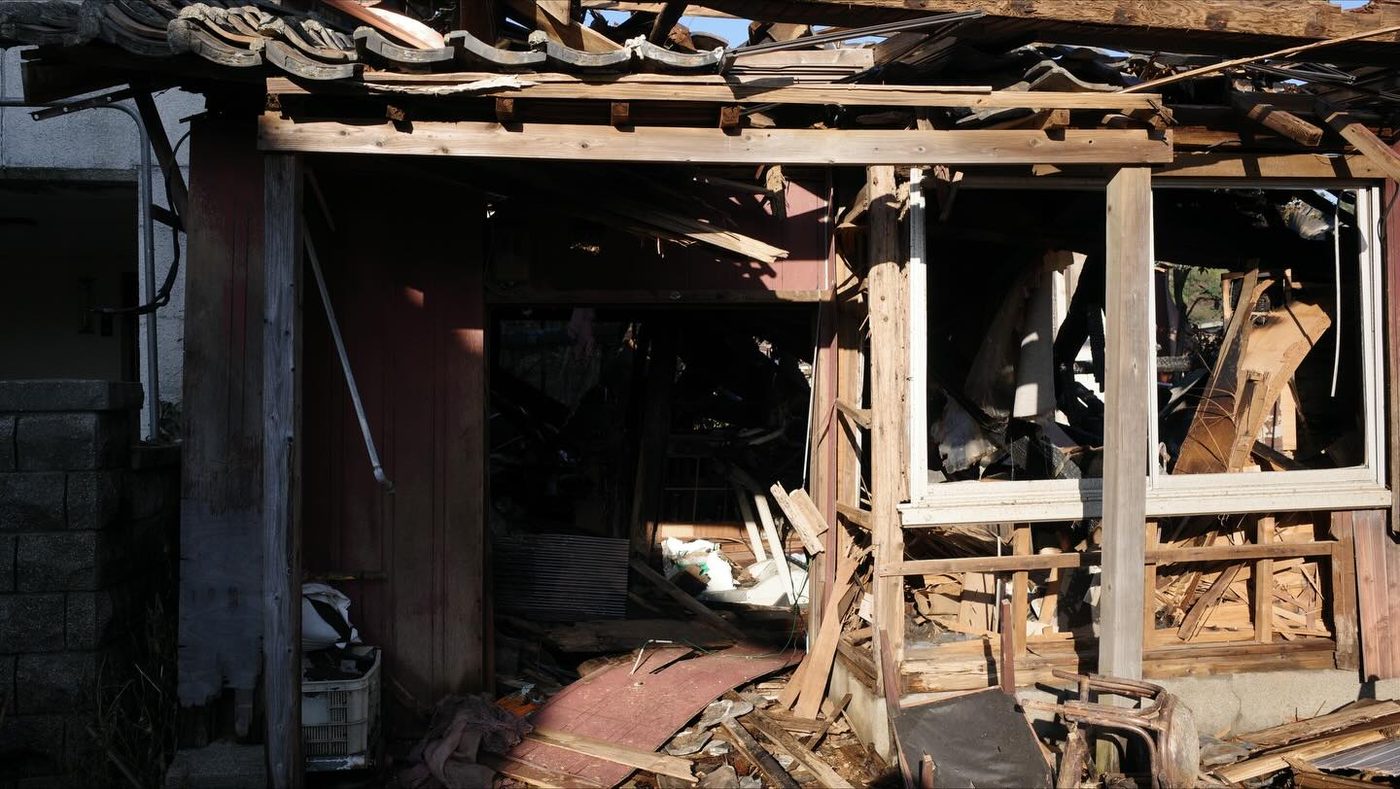
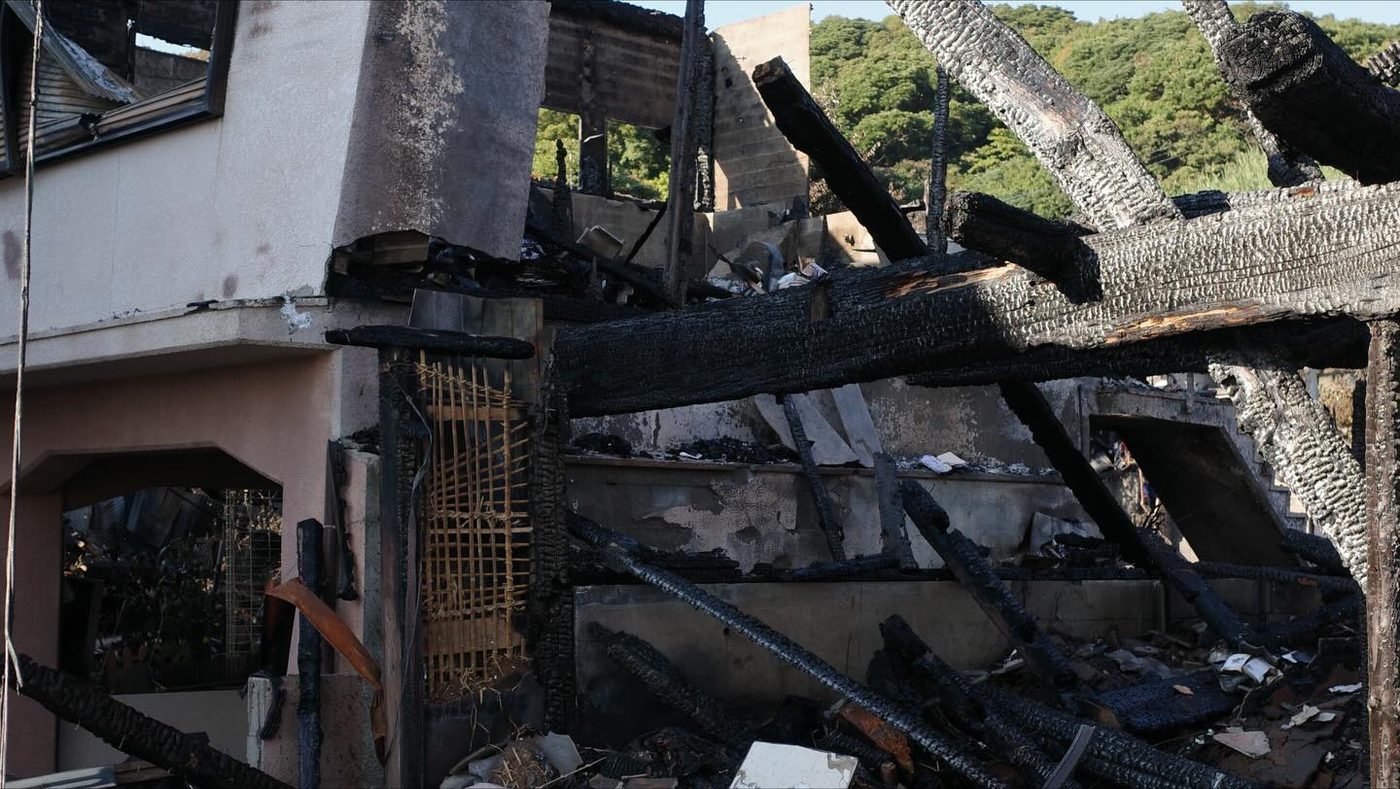
When everything needs permission
When I reported on my own, I had never once asked, “May I film?” I was in relationships where filming, and being filmed, was taken for granted. But this time was completely different: every photo and every shot required permission. Even one photo of an evacuation center, and someone would always be facing the camera. How could I avoid showing people, and still properly convey what was happening? It was truly difficult.
Day after day, the press surrounded the people affected; when they crowded around an elderly person, you could not even move forward. If you just talked normally, people would tell you all kinds of things. But the moment you pointed a camera, it felt as if an invisible shutter came down. Walking back down the hallway, it struck me: “Ah, to the people affected, I must look like the same kind of creature.”
Still, for the press, this is their job, and they too have families to protect. Because of their work, we can get information and care for others. They are human beings with the same blood running through them.
The camera operator
is the person closest to those most affected.
How should I speak to the people affected? What frame of mind should I be in? I went to the site every day, learning from experienced colleagues. These were the words that stayed with me most. As I kept visiting, two people came to remember my face. They told me their names, and I was able to hear their stories.
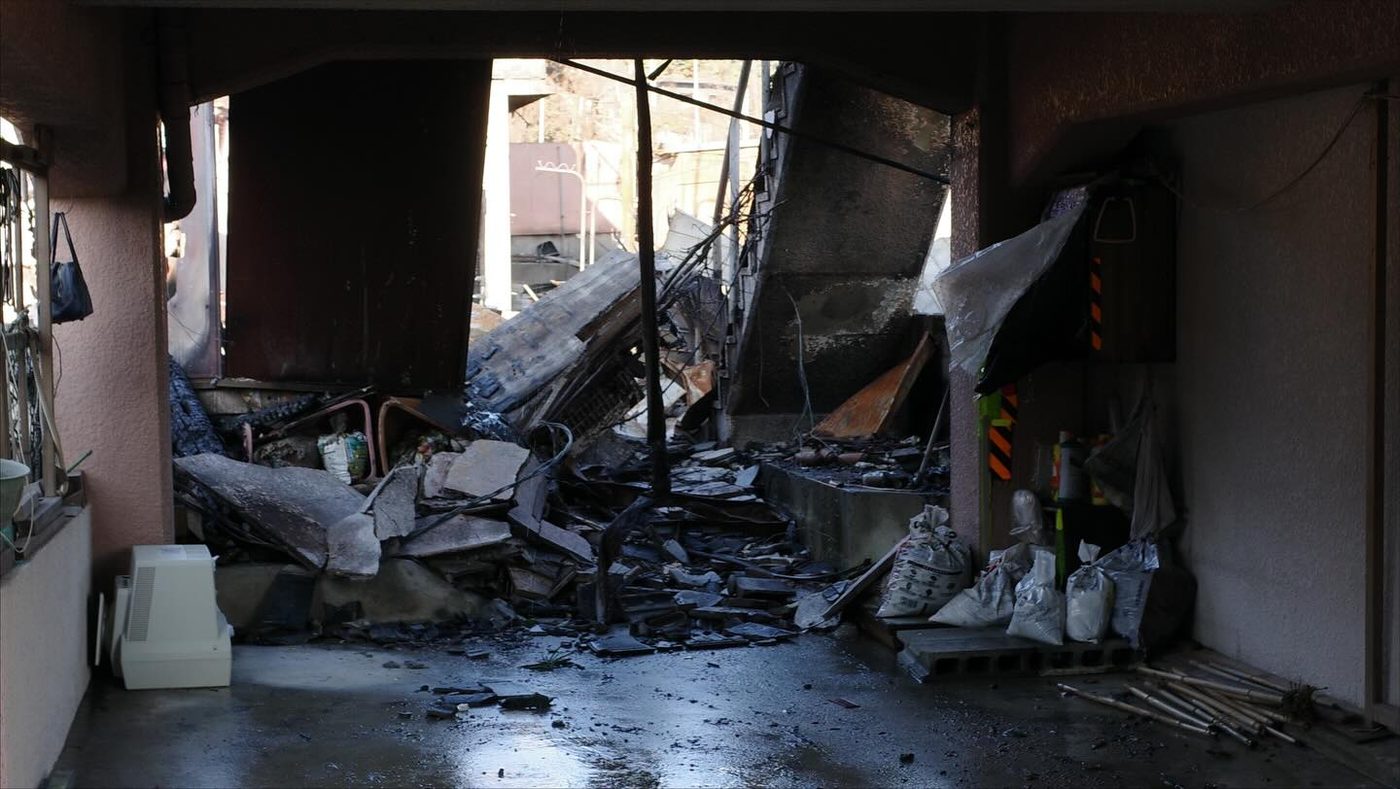
Delivering what is needed right now, the same day
Emergency relief takes many forms, but it was completely different from what I used to do on my own, buying and delivering supplies. On the frontline, what people need right now is asked for on the spot, bought immediately and delivered immediately. I was overwhelmed by the speed. Underwear, undershirts, slippers and large reusable bags, enough for everyone at the evacuation center. Pushing more shopping baskets than I had ever handled, I packed in the supplies. The store staff knew the situation, prepared large boxes and spoke kindly to us. They helped so warmly.
When we handed out the supplies, the evacuation center got so lively you would think it was a bargain sale. Everyone chose things happily. An elderly woman I had interviewed on the first day waved at me with a smile the next day. “I hadn't changed my clothes since then, so this really helps. Thank you.” It was a moment when I felt, from the bottom of my heart, that I wanted to learn more about this work and give it my all.
I also learned for the first time that, through corporate partnerships, many companies sent clothing, food and shelter. Donations sent with care from all over Japan were delivered to the site in the form of supplies. I felt the strength of the private sector.
Having a home to go back to
An initial emergency team stays a week at most. Feeling frustrated, I wrote this on the ferry home. At the site, flu cases had grown from two at first to about ten by the time I left. There had also been thefts.
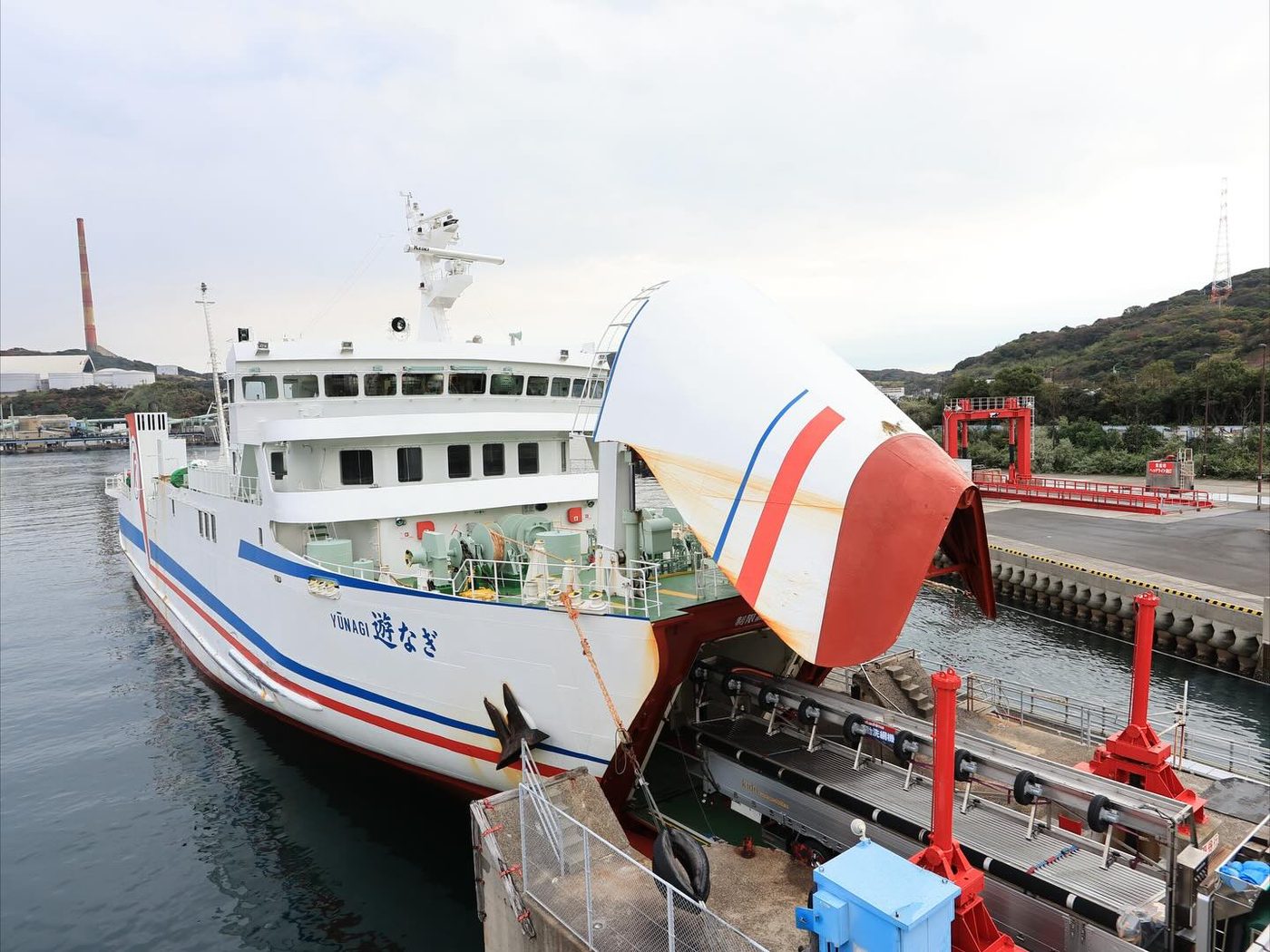
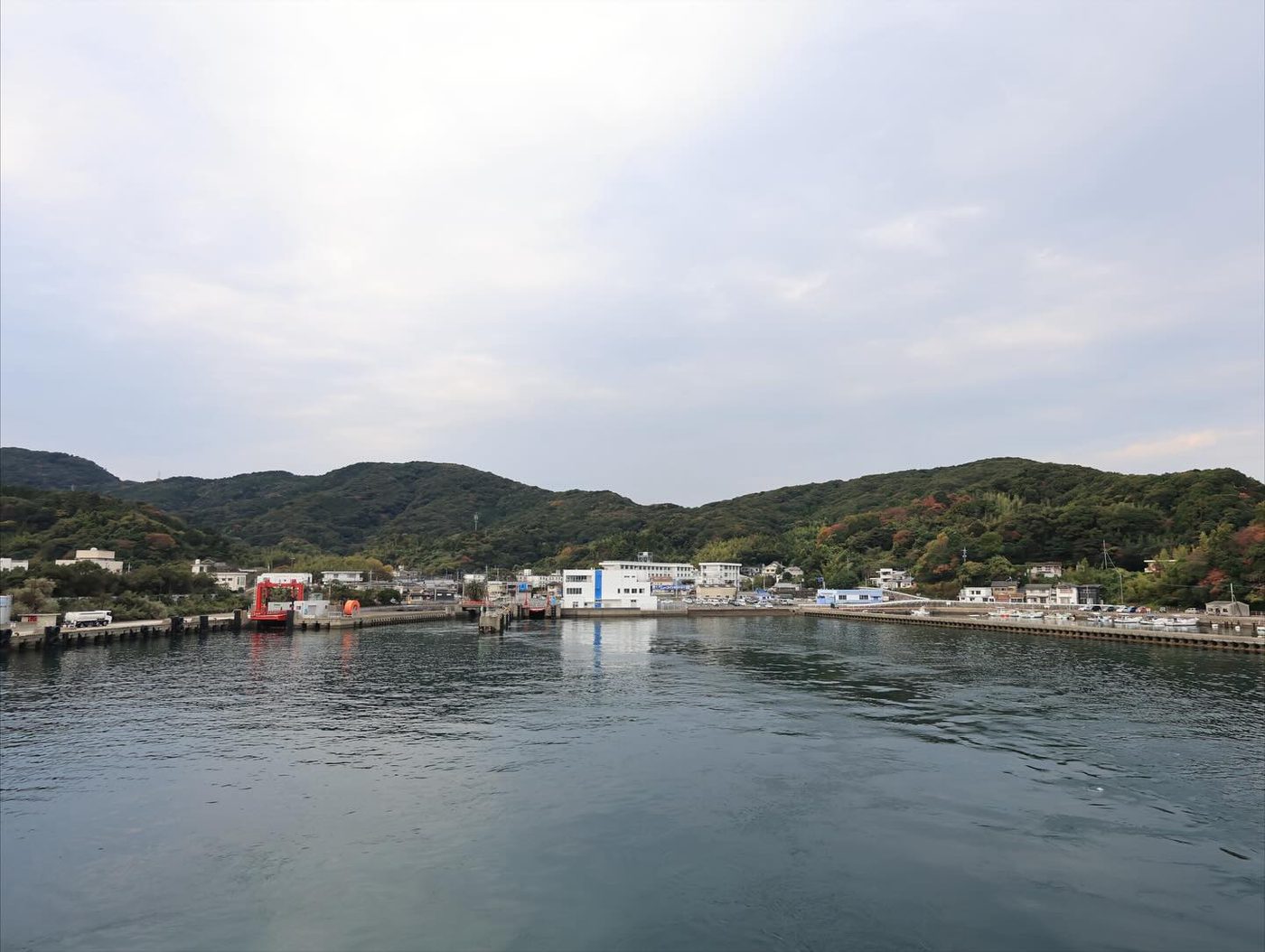
However tired I am, I can leave and rest at an inn, and I have a home to go back to. However much I try to imagine it, the people affected may carry an anxiety beyond measure. There is much I fell short on and much to reflect on, but even so, I want to keep giving everything without giving up.
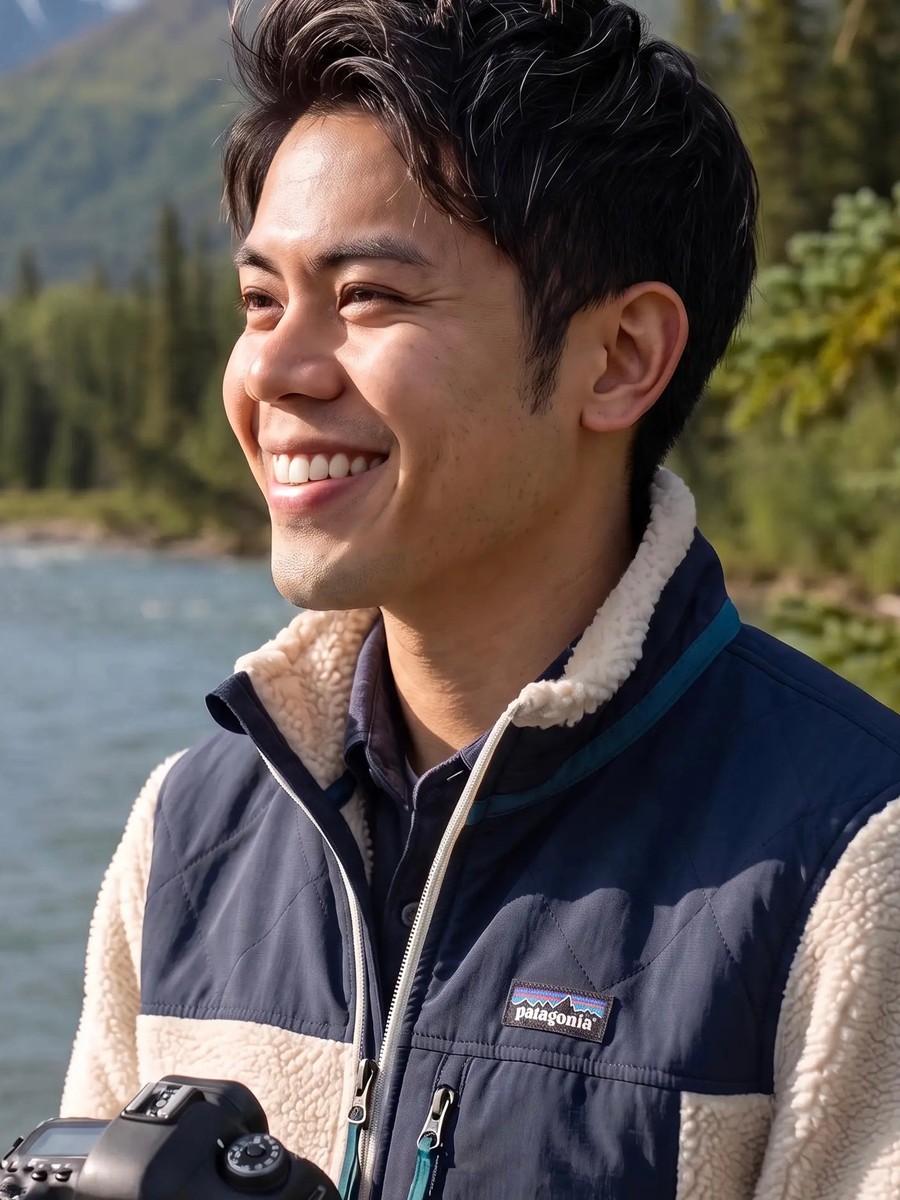
Narita Jun
Filmmaker and video journalist, born in Nagoya in 1993. As staff of an international NGO, he works in disaster response and humanitarian aid while making documentaries about people, wildlife and the earth. Green Film Festival 2024 Grand Prize.
Sources: for the number of buildings burned, the area and the date the fire was extinguished, the Oita City large fire (Wikipedia, Japanese), Nikkei xTECH, “The large Oita fire that burned about 50,000 m²” (Japanese)
This article is based on Instagram posts from November 21 and 25, 2025 (1 · 2), rewritten as an article.