
Key points
- At the turning point from 29 to 30, I felt, “At this rate, I'm going to break one day.”
- I put down my computer and phone and went to the Philippines with only a notebook, a pen and my Bible.
- Studying the language, I fell in love with my mother's country, and for the first time in ten years, I went home with my mother to her hometown. I could not have recovered alone.
Updated
When my twenties ended and I entered my thirties, the first thing I thought was, “Oh, life is really long.”
Without even knowing what was chasing me, I had run until I was close to burning out, believing my twenties were everything. I gained a lot, but in exchange, there were things I nearly lost.
“At this rate, I'm going to break one day”
What scared me most was that turning point, from 29 to 30. “Things you should do in your twenties.” “What changes in your thirties?” I was desperately searching Google for things like that. (Laughs)
Society measures people with its own peculiar yardsticks of age, “around thirty,” “around forty,” without knowing their backgrounds or their wounds. As people around me married and started families, there were many nights when I was gripped by worry about whether I would be all right.
“At this rate, I'm going to break one day”
It had always been a black box
Whenever I traced my memories, I always ended up in the same place.
“Maybe I wasn't loved.”
“Maybe I was abandoned.”
And my birth father, who had always remained a black box. Even if I could love someone, wouldn't I hurt them someday? Maybe I could never be a father. Thinking that, I spent some sad nights.
Even if you never open the box, everyday life still comes. But while I was not listening to that voice, the busyness and responsibilities of each day piled up on the lid. Before I knew it, it had become too heavy to lift on my own.
If life is much longer than I thought, I could try resting a little. Feeling that, I crossed over to the Philippines. I put down the computer and phone I could never let go of, and took only a notebook, a pen and my Bible.
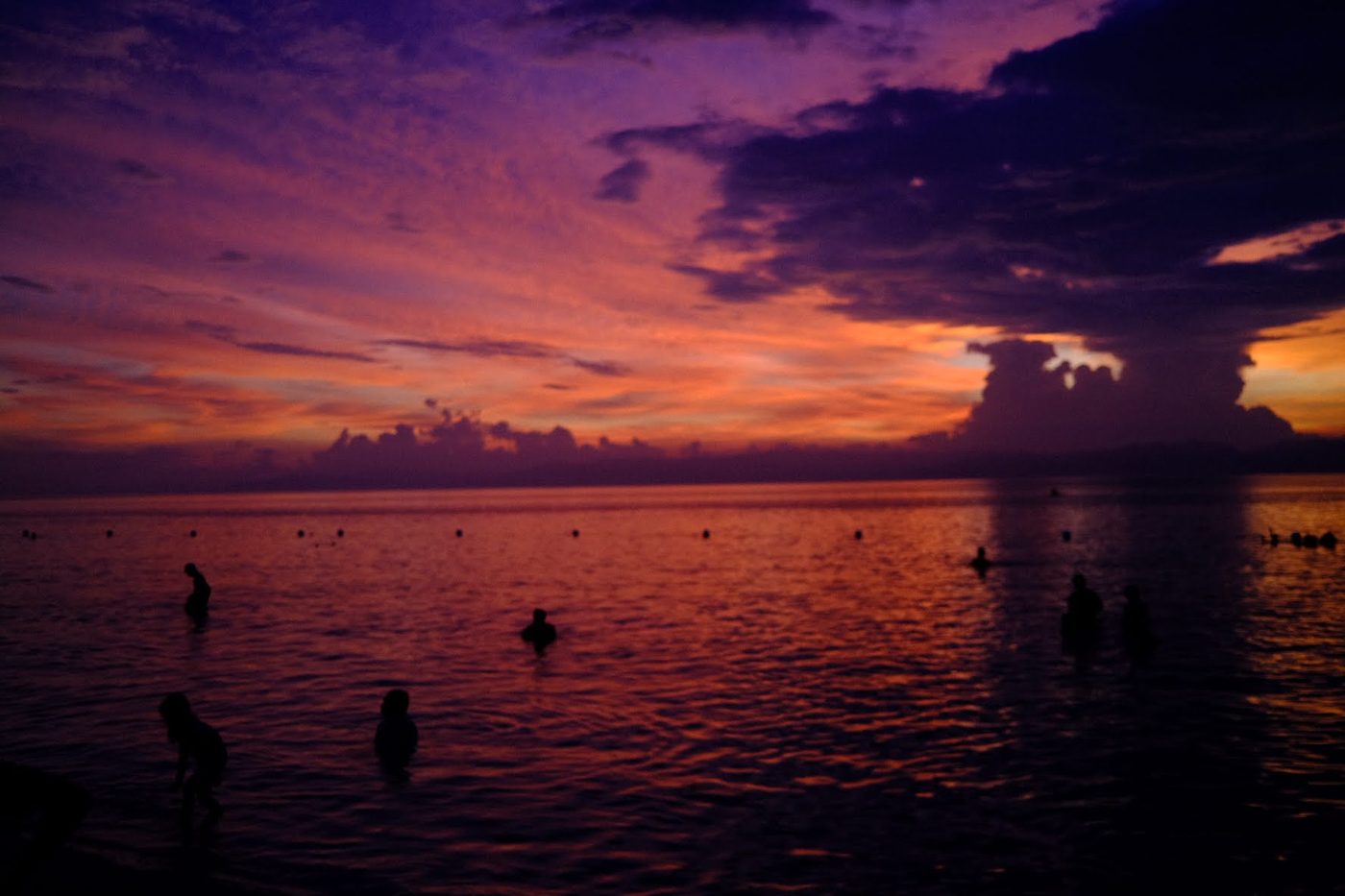
The hardest thing to film was my own roots
Of all the places in the world I have filmed, the hardest to film was my own roots. Half of me is made of the Philippines. And yet I could not properly speak its language.
Wherever I went, people said, “You look like Filipino,” and spoke to me in the local language. When I told them I could not speak it, they burst out laughing. Even so, strangely, wherever I ate, I had a feeling of nostalgia.
Because I had spent so long hating the blood that runs in me, I think there had always been doubt and conflict deep down. It felt as though the locks to rooms I had kept shut were opening, one by one.
The journey of recovery could not be rushed
Instead of pushing myself toward an answer from the start, I took my time, slowly, slowly.
In 2023, I went to the Philippines with friends and got used to it little by little. Then I went alone and spent time with local people. In the autumn of 2024, I went to study the language, a dream I had had since high school. In Cebu, I encountered the local culture and history, and came to love my mother's country.
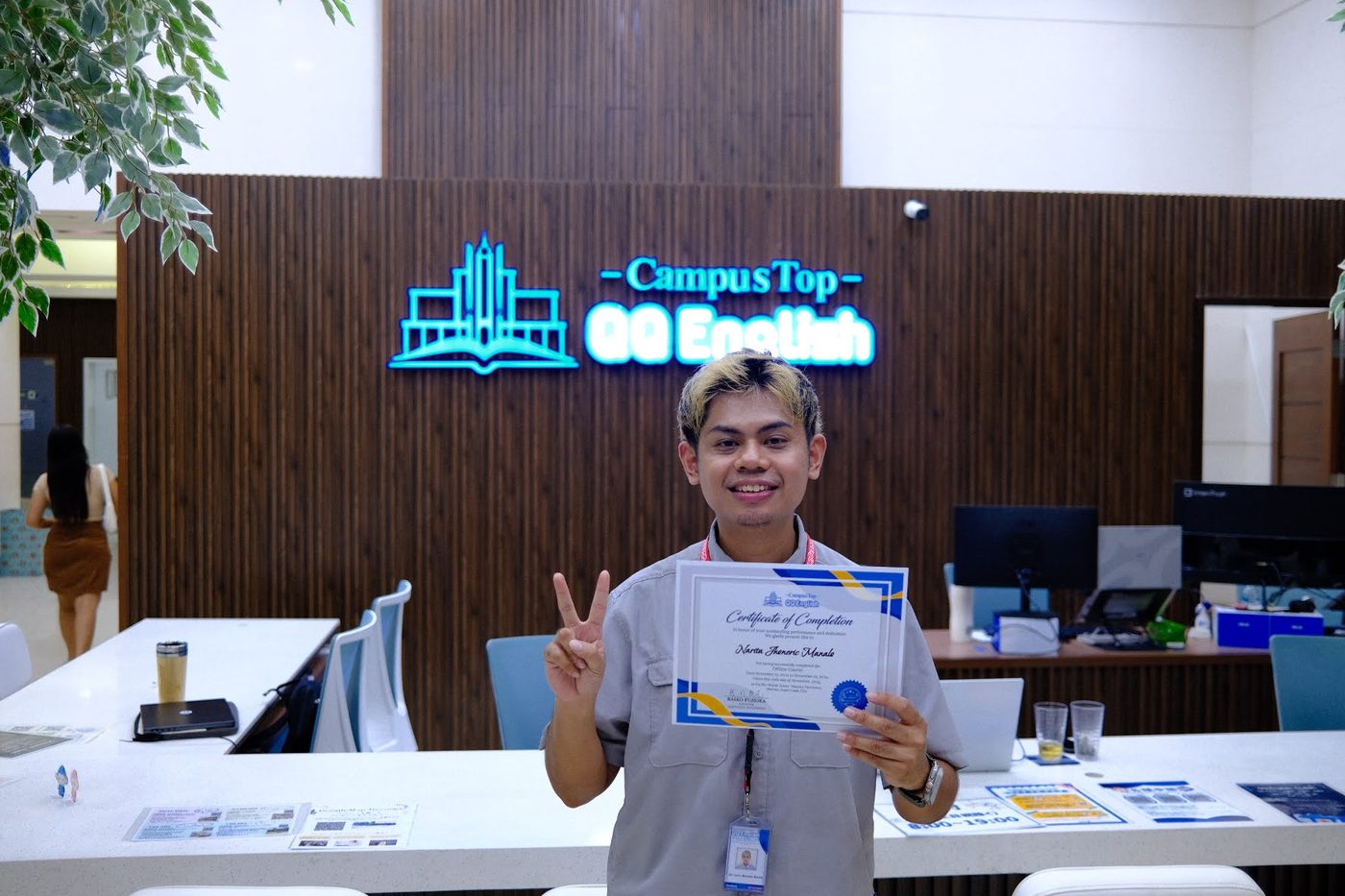
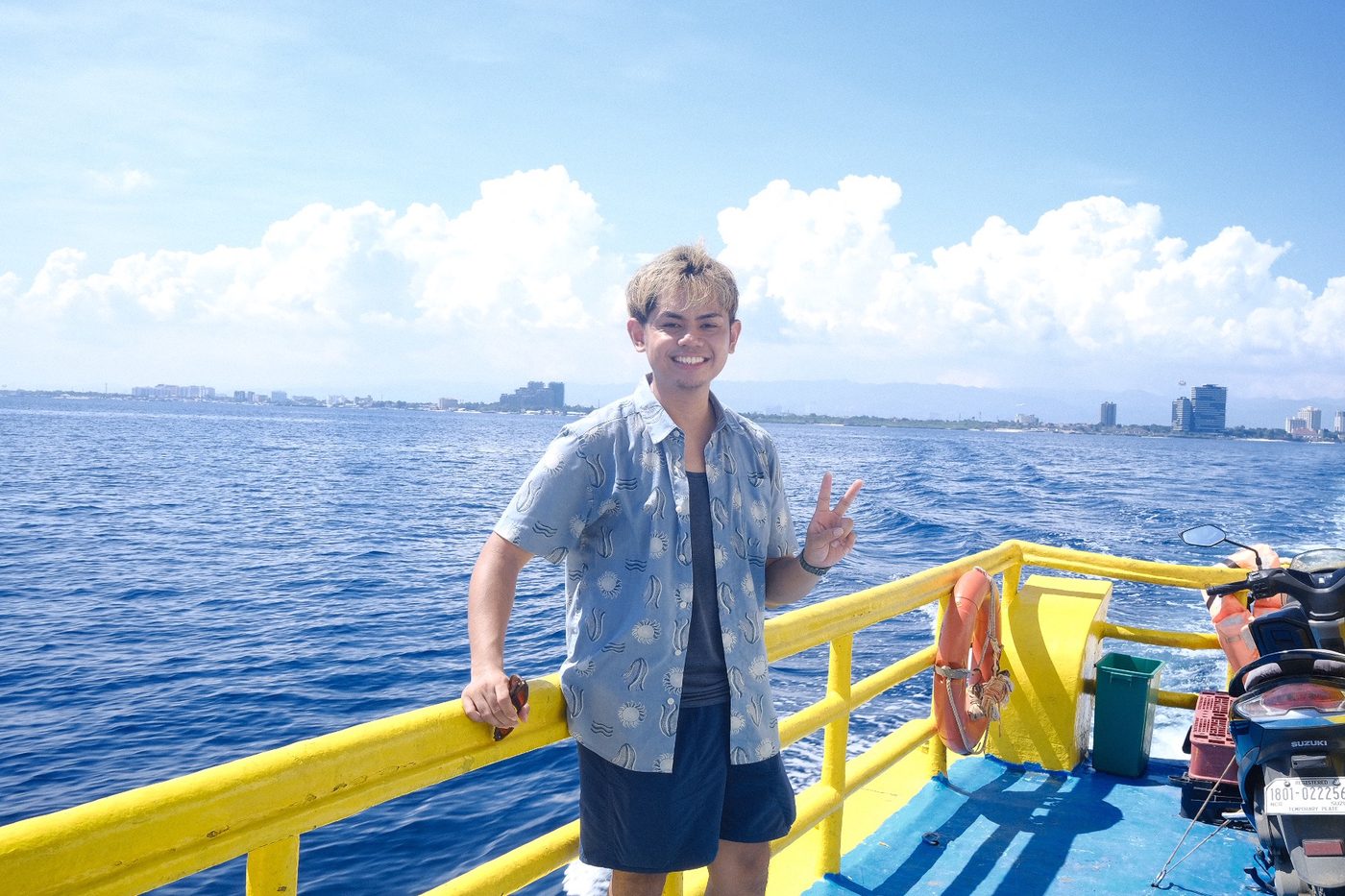
Tracing my roots also meant going back through past pain and memories, and it was not an easy decision. But I think I was able to go because time had passed and I now had a place to come home to.
With my mother to her hometown, for the first time in ten years
At the end of that year, for the first time in ten years, I went with my mother to her hometown, in the Bicol region of the Philippines. My mother got so excited that, though she had said one suitcase, it became two. We ended up taking three cases of the instant noodles the family loves. (Laughs)
Standing on the land where my mother once lived, I heard from her own mouth stories from the past I had never known. When she was young, she was apparently a well-known singer in the area. I also interviewed my grandparents and recorded on film the path our family has walked.
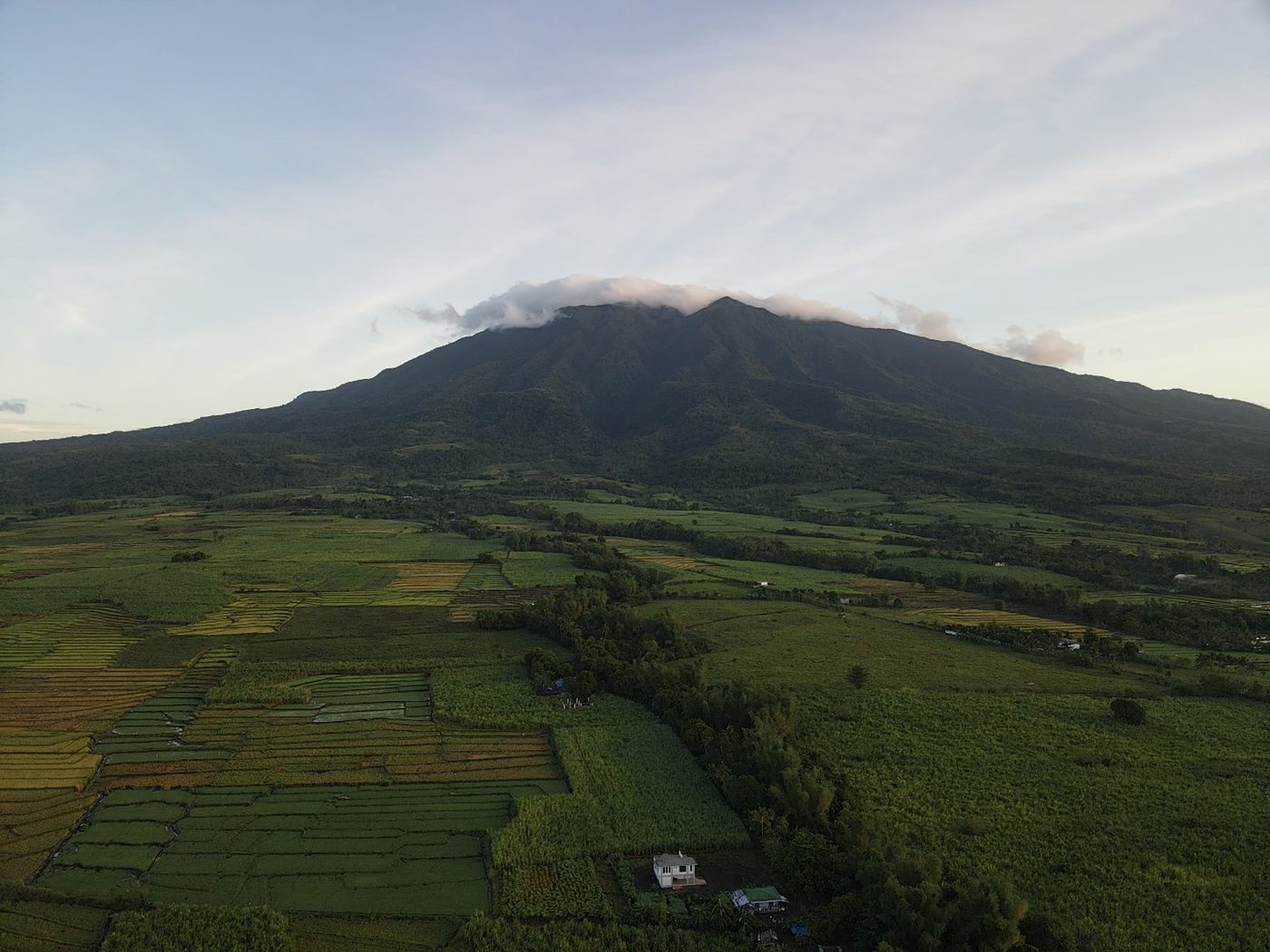
And for the first time, I heard my birth father's name.
Tracing your roots is not about going somewhere unknown,
but finally going to meet what had always been inside you.
So many blood relatives were here, always thinking of me and praying for me. It had been a very long time since I felt that it was enough just to exist, without worrying about anything. If anything happens, I can come back here. I found a home for my heart.
You cannot face the journey of recovery alone
Since then, there has not been any big visible change. Even so, what has definitely been different since that time is that, somehow, an overwhelming sense of peace has kept wrapping around me.
There is still an empty space in me that cannot be filled. I cannot yet say that it is okay. But maybe it is precisely because of that space that I can be gentle with the missing places in others.
What mattered here is that you cannot face the journey of recovery alone. I was able to go because my church community and the people dear to me supported me.
I don't think moving forward is the only good. Sometimes people also need a season of stopping and letting themselves recover. To you, who have lived and grown older right up to today: may a season of recovery come to you, too.
“He has made everything beautiful in its time.”— Ecclesiastes 3:11 (World English Bible)
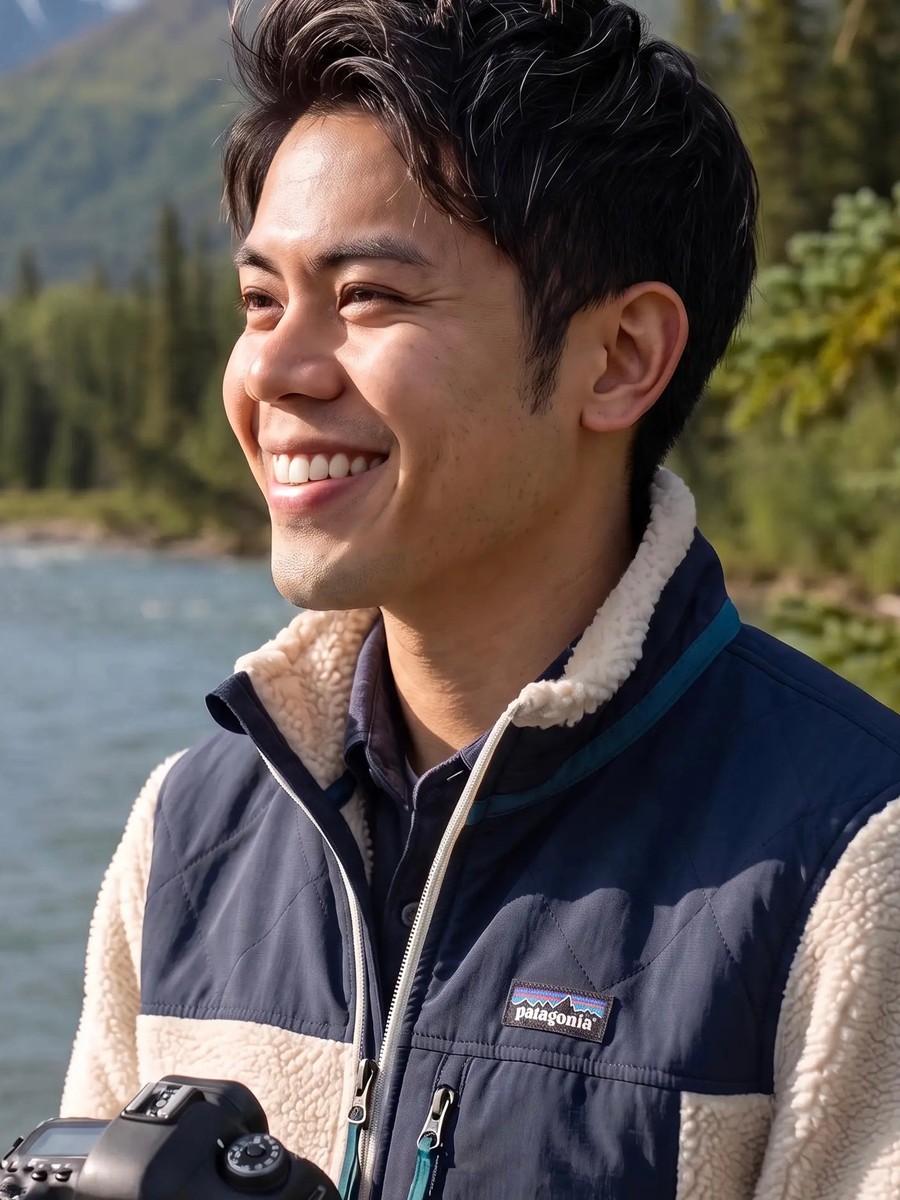
Narita Jun
Filmmaker and video journalist, born in Nagoya in 1993. As staff of Peace Winds Japan, he works in disaster response and humanitarian aid while making documentaries. Green Film Festival 2024 Grand Prize. His upbringing and work were featured in the NHK national feature “I Was Only Born.”