
Key points
- My mother's visa had expired, and fearing deportation, she could not register my birth. So for a while, I had no family register.
- At school there was discrimination and bullying. At 18, I no longer knew why I was alive.
- A pastor I met on the street, a church, and the first film I made told me it was okay to be alive.
- Even without a family register, children aged 6 to 15 can go to school in Japan. Where to get help is listed at the end of this article.
Updated
“Why was I born?”
For as long as I can remember, I always wondered that.
I was born in Aichi in 1993. My mother came from the Philippines, where she had been a singer. Soon after I was born, my birth father disappeared.
On paper, I was a child who did not exist
My mother's visa had expired, and fearing deportation, she was unable to register my birth. So I had no family register.
On paper, I was a child who did not exist anywhere.
I hadn't done anything wrong.
I was only born.
My brothers and I were taken in by the father who raised us, though we were not related by blood. “These children have done nothing wrong,” he said. My grandfather desperately gathered a mind-boggling amount of paperwork to prove our births.
A school backpack, and a desk far too big
A child without a family register cannot simply go to kindergarten or school. I was told that my father and grandfather went around kindergartens and schools all over Nagoya, bowing their heads again and again. It continued for elementary school, and for junior high.
On the day I started kindergarten, my family dressed me in a child's suit, crying. When I first put on my school backpack, I was told, my father and grandfather wept with joy. As a child, I did not understand what those tears meant.
In a house that was far from big, there was a study desk almost too fine for it. One day, the motorcycle my father loved was gone. I only learned much later that he had sold it to raise us.
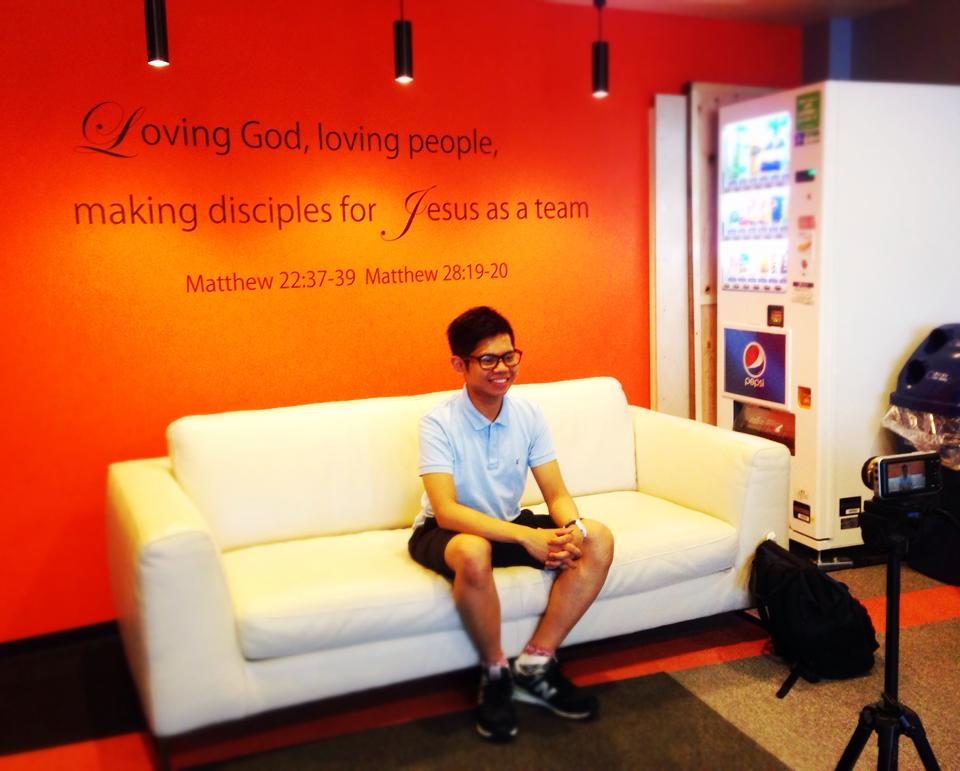
“Maybe I'm someone who shouldn't be here”
What awaited me at the school I was finally able to attend was bullying and discrimination. Because my skin was a different color. Because my face was different. I was left out and teased.
If a friend's game went missing, I was always the first one suspected. Even when we played together, for some reason I was the only one not invited into the house. On the train, people stared at me and avoided the seat next to mine.
“Why only me?”
As I kept asking that, I began to think that maybe I was someone who should not be here.
Wanting to start over where no one knew me, I went to a high school far from home. Even so, on the day of the entrance exam, the voices I heard were, “Isn't he a foreigner?” and “He'll probably commit a crime someday.” At school, I was constantly called “Obama,” after the US president at the time.
Wanting to have the same skin color as everyone else, I went to the drugstore almost every week and put cosmetics on my skin. I was teased for that, too.
When I was about 16, the father who raised me told me he was not my real father. It felt as if everything I believed in was crumbling beneath my feet.
A ten-minute film told me it was okay to be alive
In that high school life, there was just one happy thing. I had always been good with computers; IT class was the one subject I did well in, and I helped my classmates. Through that, little by little, I made friends.
One day, those friends asked me to make a background film for their performance at the school festival. A ten-minute film of photos cut to music. It became the talk of the whole school. Students who did not know me, and teachers too, praised it.
For the first time, I thought:
I am allowed to exist. It is okay for me to be alive.
I walked the city looking for a place to die
But hope closed again. After the 2008 financial crisis, my family struggled financially; I gave up on vocational school and, after high school, started working at a local supermarket.
Standing at the register, I was terrified of being in front of people. Would someone say something about how I looked? I could not look customers in the eye, and in the middle of ringing them up I would find myself crouching down. Sometimes I ran and hid in the restroom.
The feeling I had been holding in since I was small, that I should not be here, overflowed all at once. I no longer understood why I was alive, and I began to want to die. I found myself walking the streets, thinking about where I could kill myself.
“Jun, you're fine just as you are”
Then one day, in Nagoya, I came across a street concert. As I stood watching blankly, feeling nothing, the man who was playing spoke to me. He was a pastor.
He did not try to cheer me up; he simply listened. For the first time, I was able to share the pain I had never been able to tell anyone.
“Jun, you're fine just as you are”
It was the first moment someone else acknowledged that I existed.
Afterwards, we went to McDonald's and talked, and someone asked me, “Jun, isn't there something you want to do?”
“I want to make films!”
As it turned out, the church was looking for someone who could make videos. My hope had died when I gave up on further education. From there, I started making films again.
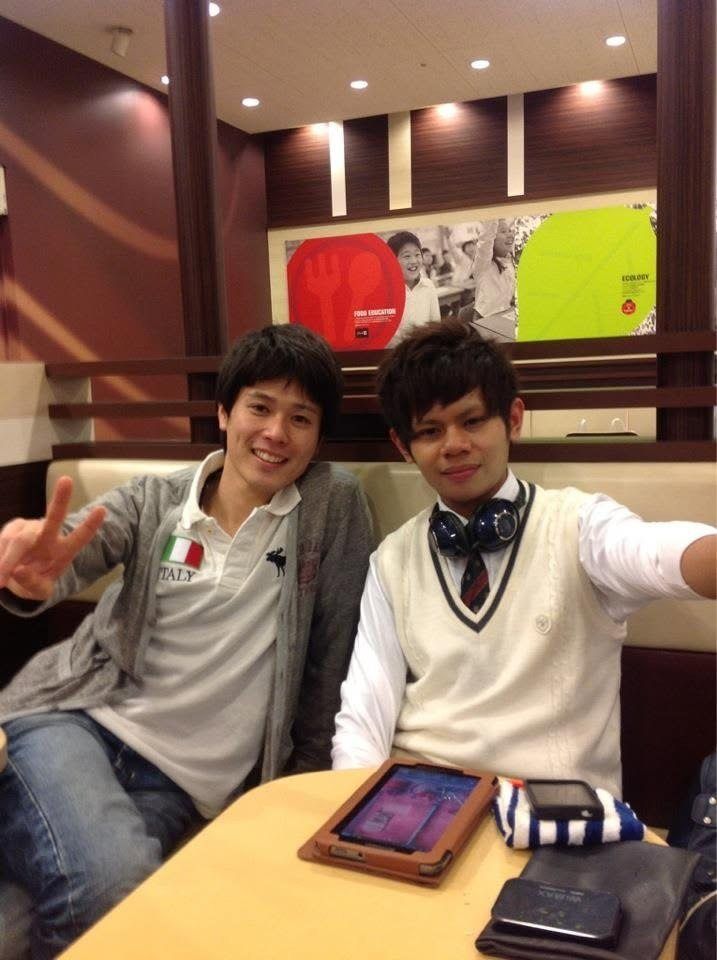
I was raised again at church
I started going to that pastor's church in Nagoya. Being as earnest as I was, I was baptized a month later. Going to the church community made me so happy I could hardly stand it.
The first time the church celebrated my birthday, they told me, “Thank you for being born.” No one had ever said that to me before, and I wept and wept. Surrounded by people like older brothers and sisters, I was raised again, in unconditional love.
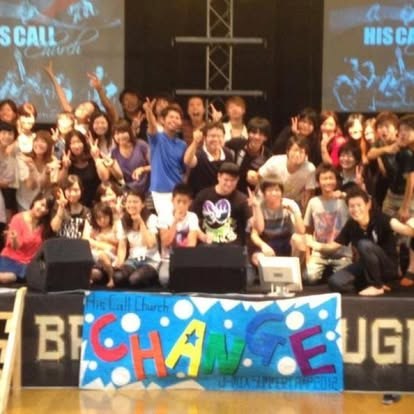
Wanting to make the films we showed in worship better, I taught myself. 3DCG, motion graphics, projection mapping. Photography, design, websites and live streaming, too. Everything I am began at this church.

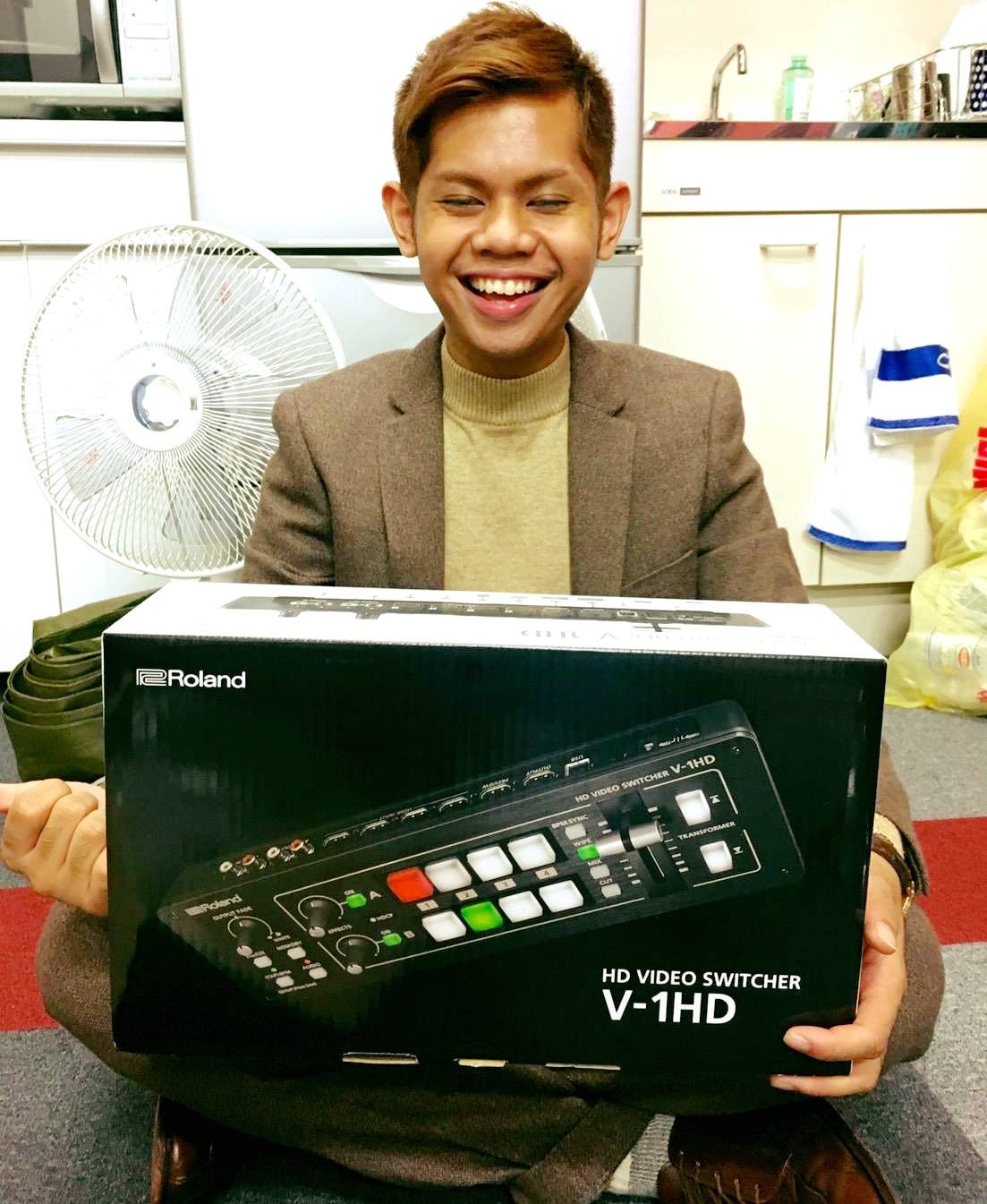
Those films caught people's attention, and little by little, companies began asking me to make ads. I quit the supermarket register, believed in the gift I had been given, and started working in film. That road would eventually lead to Tokyo.
Because I was a small life someone refused to give up on
“I don't want to give up on any life, however small.”
Deep inside those words are these days. I myself was a small life someone refused to give up on. I am here now because someone did not give up on me.
So now it is my turn to hold the camera. May this story reach someone who feels right now that they should not be here.
“The light shines in the darkness, and the darkness hasn't overcome it.”— John 1:5 (World English Bible)
What does it mean to have no family register in Japan? Why it happens, and where to get help
There are people who, like me, grow up without a family register. For those in that situation right now, and for their families, here is a summary of information published by Japan's Ministry of Justice.
What it means to have no family register
Some children are not entered in a family register because the person who should file their birth registration does not do so, for one reason or another. The Ministry of Justice calls this the “unregistered persons problem.” One reason the ministry gives is the “300 days after divorce problem,” under which a child born within 300 days of a divorce was legally presumed to be the former husband's child.
In my case, my mother's visa had expired, so she could not register my birth. The reasons are different for each person.
Can you go to school without a family register?
According to the Ministry of Justice's FAQ, even without a family register, you can receive the following:
- School: children of school age (6–15) can attend school even without a family register or resident record
- Resident record: you may be registered if procedures to confirm the parent–child relationship are under way
- Child allowances, daycare, health insurance and public assistance: you are eligible if residence can be confirmed, for example with a birth certificate
When I was a child, my father and grandfather went all over town looking for a school that would take me. Today, you can start by asking at your local city office.
The Civil Code changed in April 2024
To end the problem of unregistered children, the rules on who is presumed to be a child's father were revised, taking effect on April 1, 2024. Even a child born within 300 days of a divorce is now presumed to be the child of the new husband if born after the mother remarried.
Where to get help
You can get help at Legal Affairs Bureaus across Japan and at the family register counter of your local city office. They can also guide you through the procedures for being entered in a family register.
- Ministry of Justice, “For people without a family register” (Japanese)
- Ministry of Justice, “Where to get help” (list of Legal Affairs Bureaus, Japanese)
- Ministry of Justice, “FAQ” (Japanese)
This explanation summarizes the Ministry of Justice's pages. Procedures differ for each person, so please be sure to confirm at a counter.
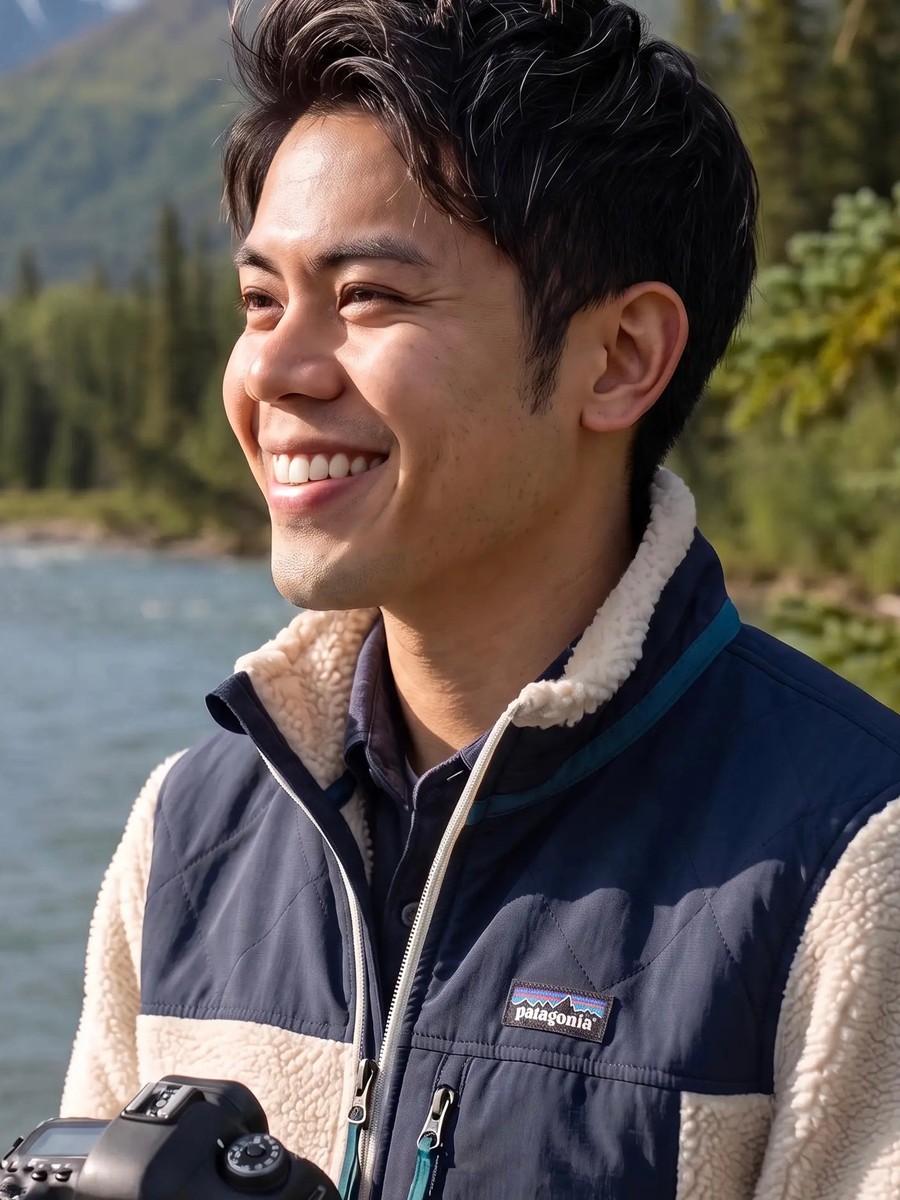
Narita Jun
Filmmaker and video journalist, born in Nagoya in 1993. As staff of Peace Winds Japan, he works in disaster response and humanitarian aid while making documentaries. Green Film Festival 2024 Grand Prize. His upbringing and work were featured in the NHK national feature “I Was Only Born.”
This story was also featured by NHK.
· NHK web feature, “I Was Only Born” (Japanese)(July 29, 2021)
· NHK Hokkaido, “The Reason I Was Born” (Japanese)
Sources: Ministry of Justice, “For people without a family register”, “FAQ”, “On the Act partially amending the Civil Code (Act No. 102 of 2022)”
The Instagram post from June 2021, the day the article came out, is kept here too.