
Field record
- Where
- Aceh, at the northern tip of Sumatra, Indonesia
- When
- Mid-February 2026 (about three months after the disaster)
- What
- Large-scale flooding caused by a cyclone in November 2025
- With
- The team of YEU, a local Christian organization
- What I made
- One documentary film (filming and production)
Key points
- In November 2025, a massive cyclone struck Aceh, Indonesia, near the equator, and four-to-five-meter floodwaters from burst rivers swallowed towns and villages.
- Behind the severity of the damage, it has been pointed out, were climate change and soil that lost its ability to hold water because of oil-palm plantation development.
- Three months after the disaster, thick mud remained in homes and fields, and public support had not fully reached people.
- We ran soup kitchens and delivered supplies with a local organization, and I made one documentary film of the work.
First published 2026.03.06 (Instagram) / Updated
Aceh, at the northern tip of Sumatra, Indonesia, is a farming region close to the equator. It is also known as the place hit hardest by the 2004 Sumatra earthquake and tsunami. Last November, a massive cyclone struck its coastal towns. Hearing that tens of thousands had been driven from their homes and that the damage was severe, I traveled there three months after the disaster.
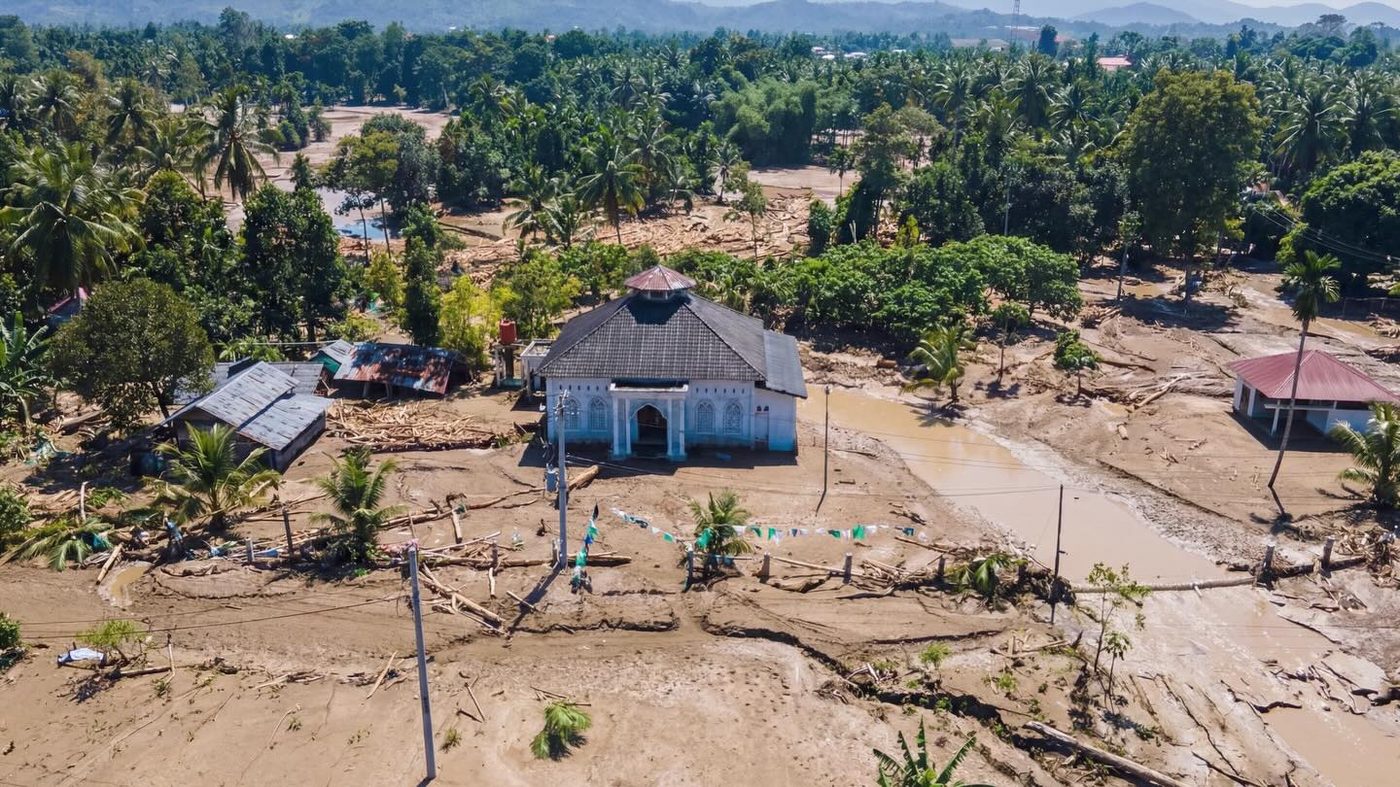
Why was the damage so severe?
Near the equator, the force created by the earth's rotation (the Coriolis force) is weak. It is a place where such a strong cyclone rarely strikes. Climate change has been pointed to as the reason behind this “unexpected” event.
Making it worse was the way people had changed the land. That summer, on neighboring Kalimantan, I saw oil-palm plantations for the first time. Oil palms, native to Africa, draw enormous amounts of water and nutrients from the soil as they grow. Indonesia's rich soil, which should store rainwater, had lost its strength through development and become hard and depleted.
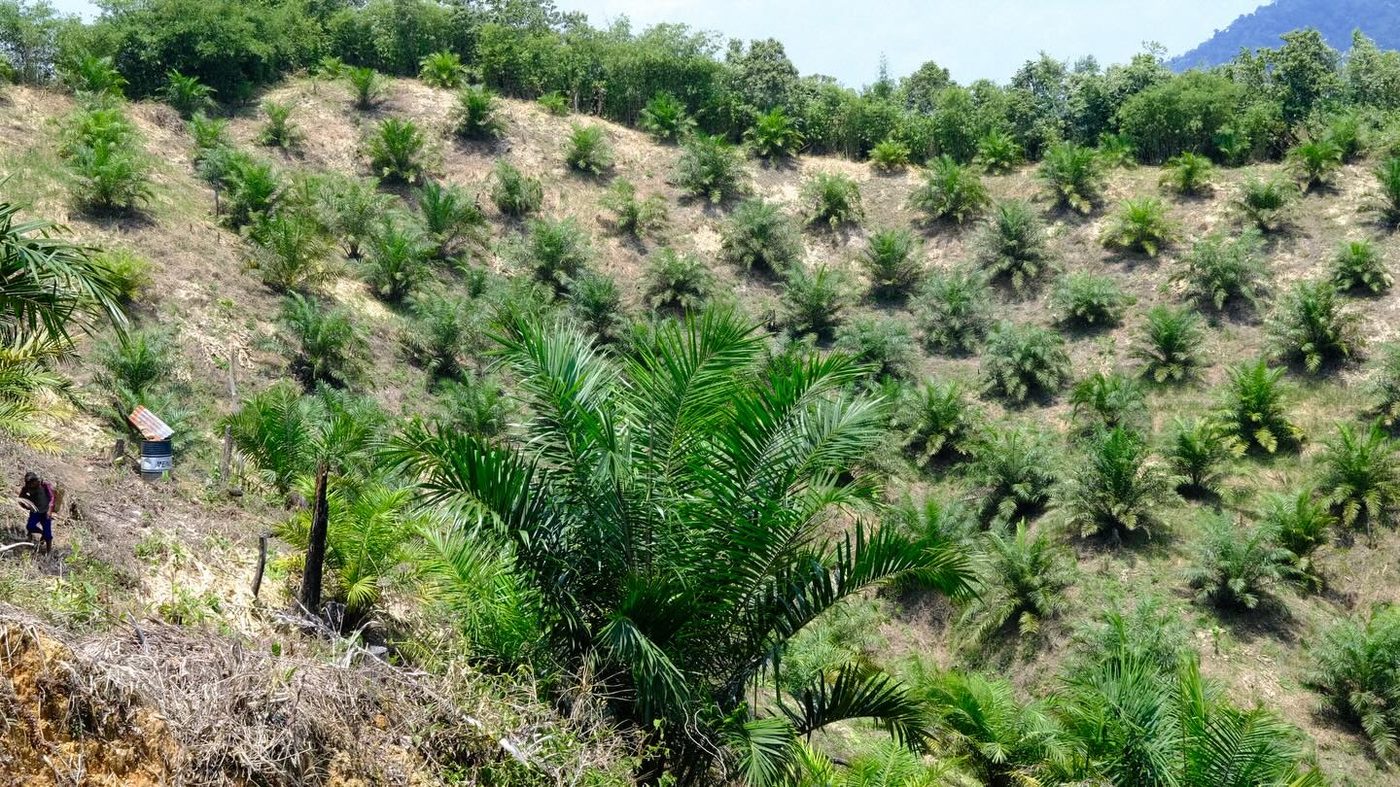
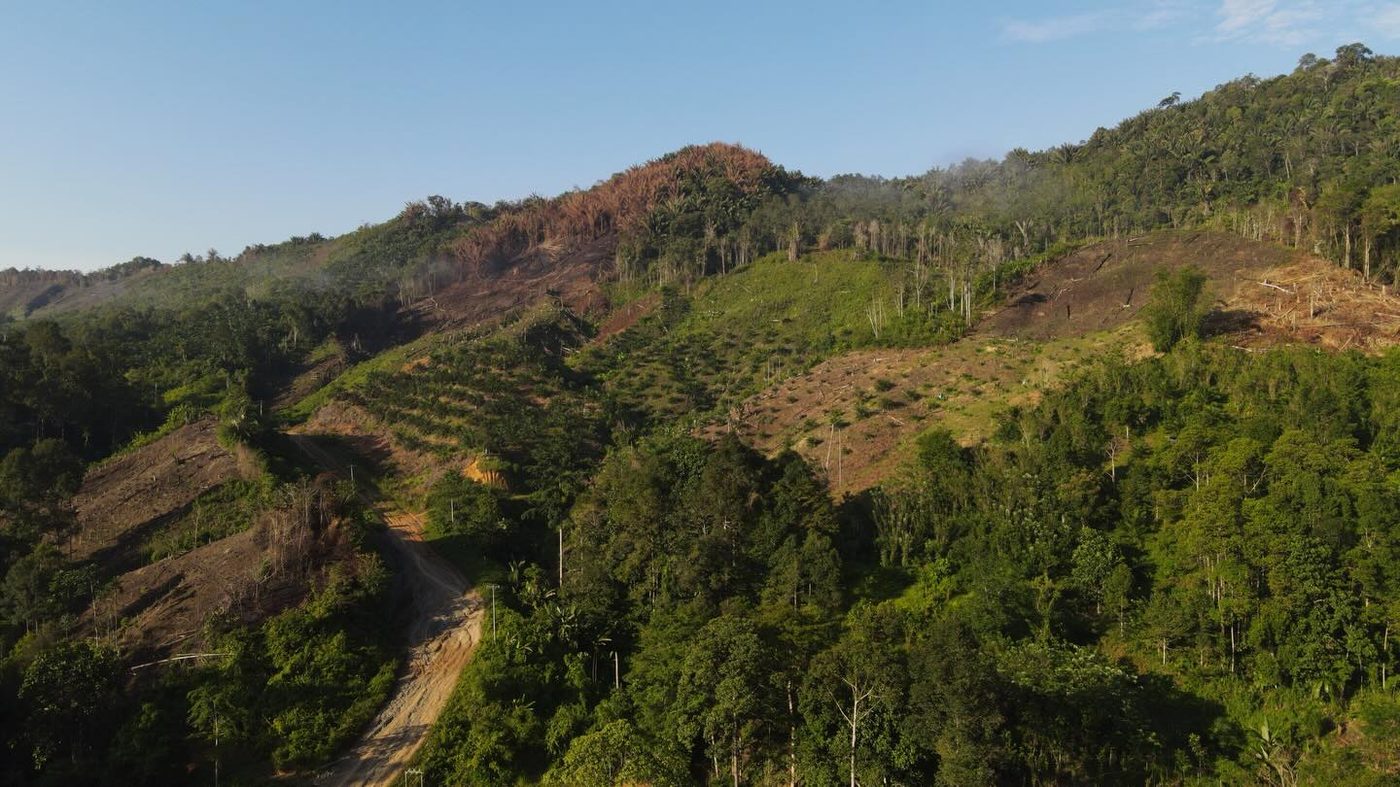
The fury of nature driven by climate change,
and the destruction of the soil, a disaster made by people.
Where the two overlapped, a devastating landscape spread out before me.
The water recedes, but the mud stays
Rivers burst their banks, and four-to-five-meter floodwaters swallowed towns and villages. It was my first time standing at the site of such a large flood, but what stayed with me most was the mud. Three months on, thick mud remained inside people's homes. Families stood at a loss before mud they simply could not dig out on their own.
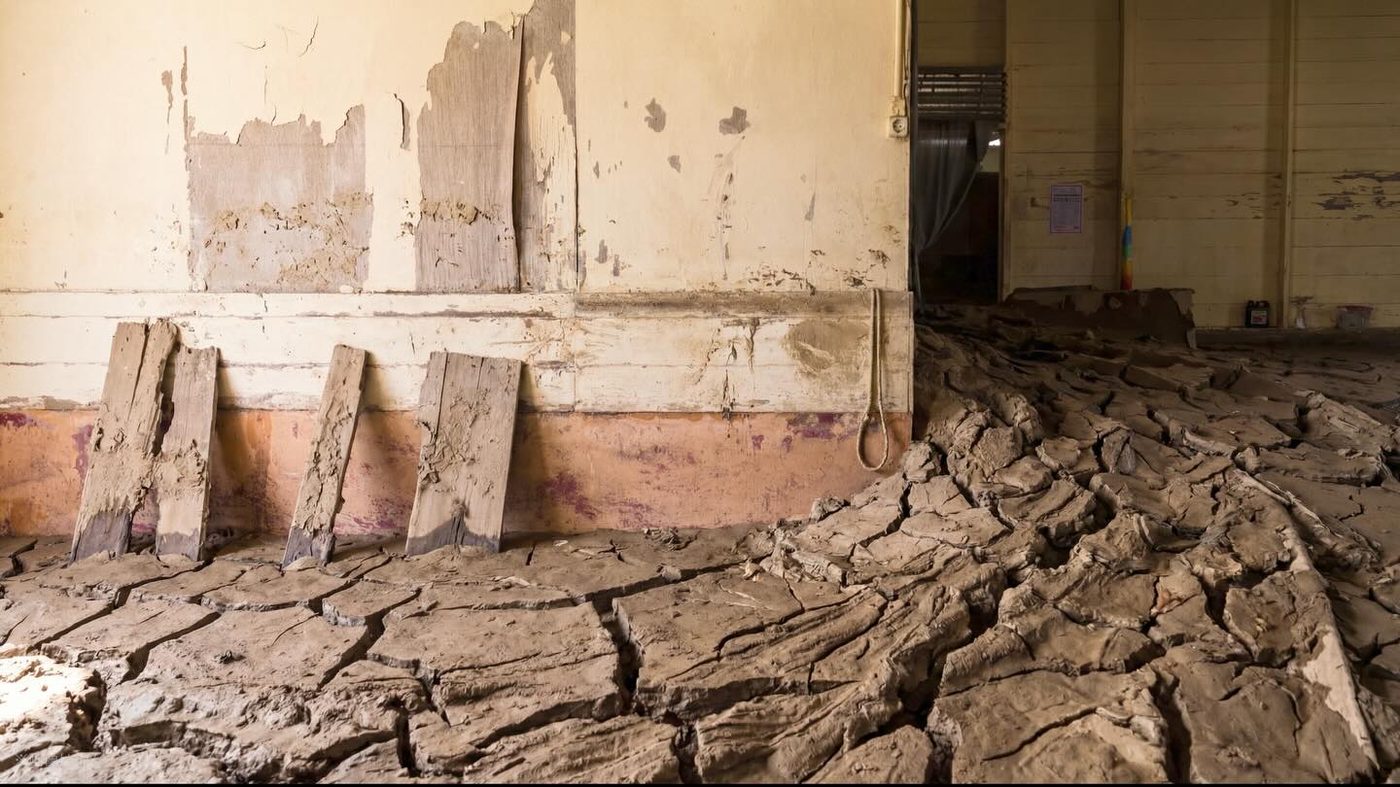
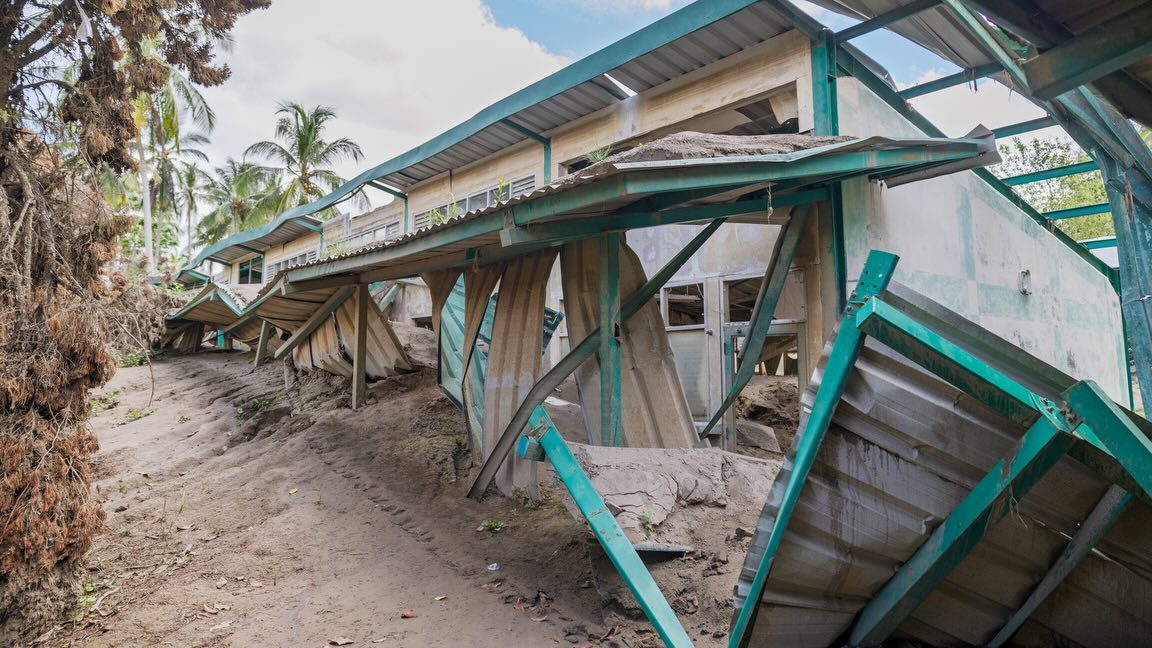
Many people in Aceh are farmers, and their fields were buried in mud too; much of the land was ruined. In the village I reported from, getting enough to eat each day was all people could manage. They held off hunger by eating coconuts, or made a living somehow by selling them. It was also the end of the fiscal year. The government, it seemed, had not anticipated a disaster of this scale, and public support had not fully reached people.
From soup kitchens to livelihoods
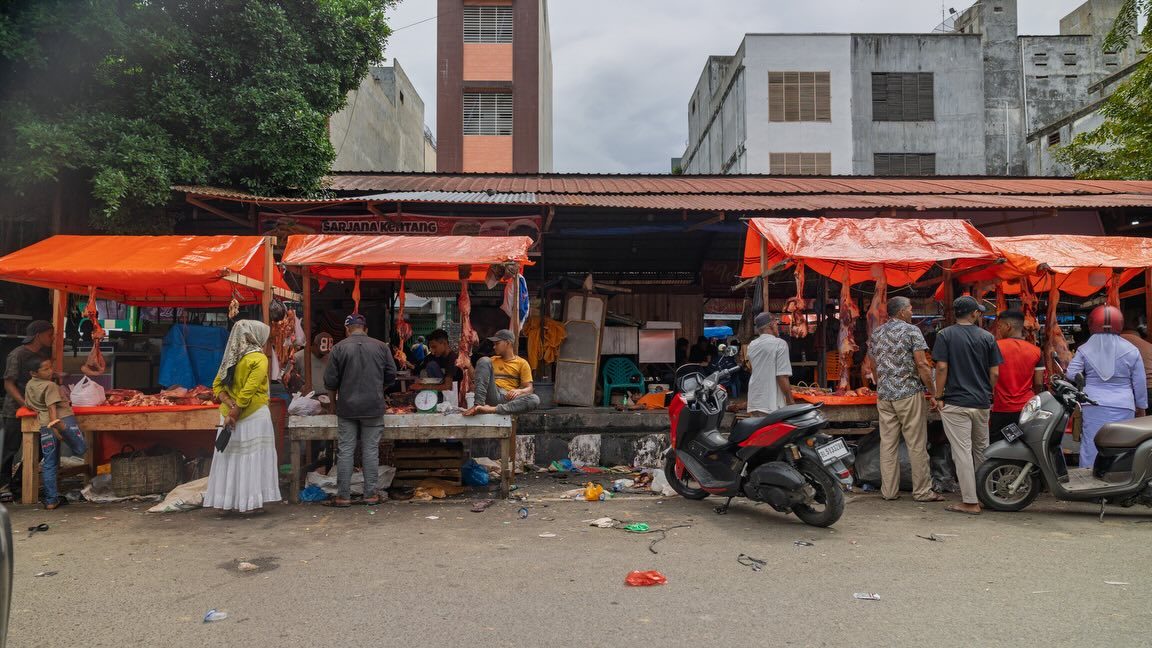
This time, I worked alongside the team of YEU, a local Christian organization. We started with soup kitchens, then supply relief. I was proud of work that did not stop at handing things out, but connected to the future livelihoods of the people we served.
The scenes I saw, the voices of the people I interviewed, the relief work itself. I put everything I have now into making the film.
 The fear of five-meter waters, daily life taken by mud — a record of emergency relief in AcehWatch on YouTube →
The same Ramadan prayers as four years ago
Four years ago, when I went to Bangladesh on my first overseas reporting trip, it was Ramadan, just like now. Listening to the adhan (the call to prayer) in the car on the way back, I thought about the past four years. However much time passes, I felt, the prayers of that time are being heard.
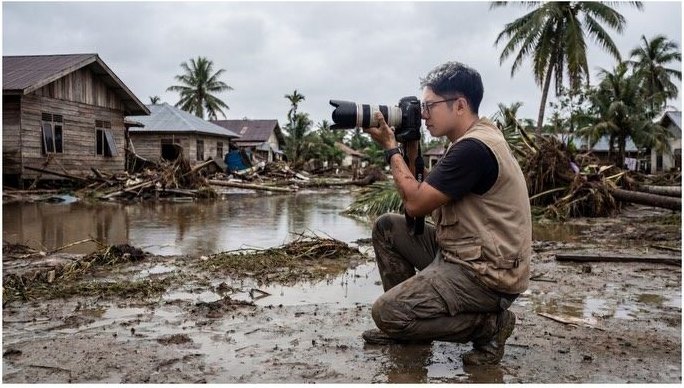
There are wars in the world, and so many sad things no one could foresee. Still, I believe there are things I can do precisely because I have been sent to this place.
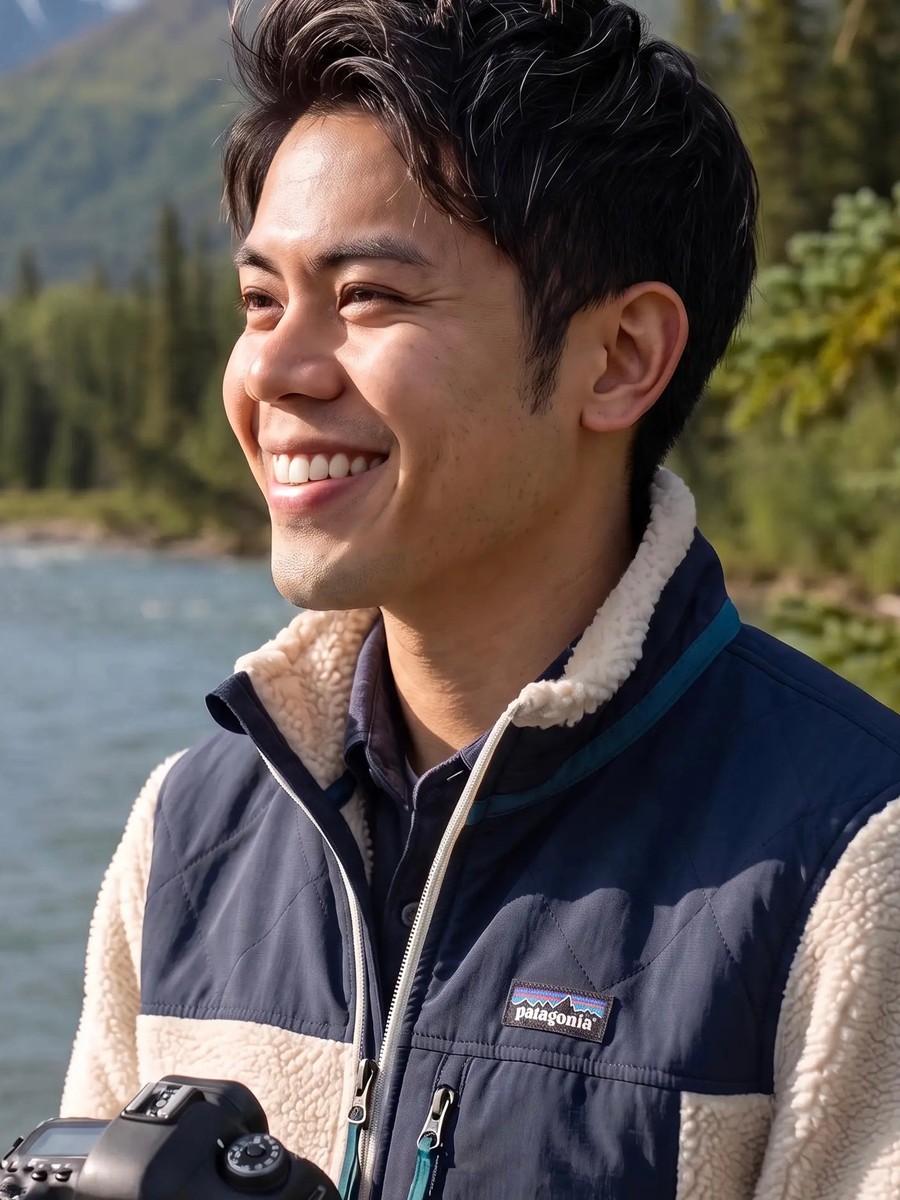
Narita Jun
Filmmaker and video journalist, born in Nagoya in 1993. As staff of an international NGO, he works in disaster response and humanitarian aid while making documentaries about people, wildlife and the earth. Green Film Festival 2024 Grand Prize.
This article is a rewritten version of the March 6, 2026 Instagram post.