Field record
- Where
- Cox's Bazar in southeastern Bangladesh, the capital Dhaka, and Khulna in the southwest
- When
- One month, March to April 2021
- Themes
- Rohingya refugees, climate refugees, former pirates, child labor in tanneries, child marriage
- With
- A team of four, including photographer Connie
Key points
- The refugee camps of Cox's Bazar, in southeastern Bangladesh, are home to about one million Rohingya people who fled Myanmar.
- For a month from March 2021, on my first overseas reporting trip, I reported not only on the refugee camps but also on child labor in Dhaka's tanneries, people who lost their fishing to climate change and became pirates, and child marriage.
- At the end of the trip, a COVID-19 lockdown halted international flights, and I could not return to Japan for a while.
First published 2021.03.17 (Instagram) / Updated
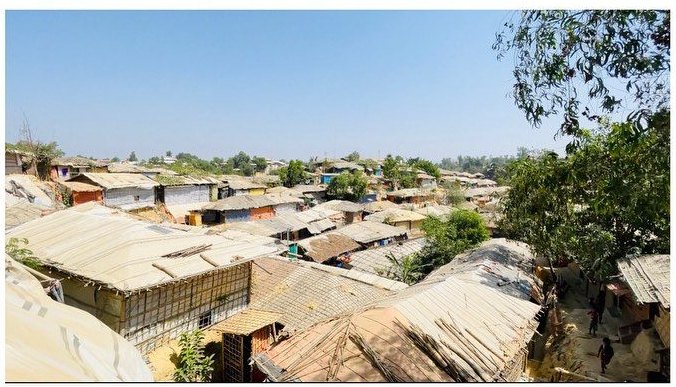
You could hardly see the shape of the hills. One of the largest refugee camps in the world was filled with homes made of bamboo and plastic sheeting. Cox's Bazar, in southeastern Bangladesh. About one million Rohingya people who fled Myanmar live here.
Who are the Rohingya refugees?
The Rohingya are a Muslim minority who have lived in western Myanmar. They have faced persecution for a long time. In August 2017, more than 700,000 people crossed the border into Bangladesh at once. Together with those who fled earlier, about one million people continue to live as refugees in crowded camps.
On my first trip abroad, I put a lid on my emotions
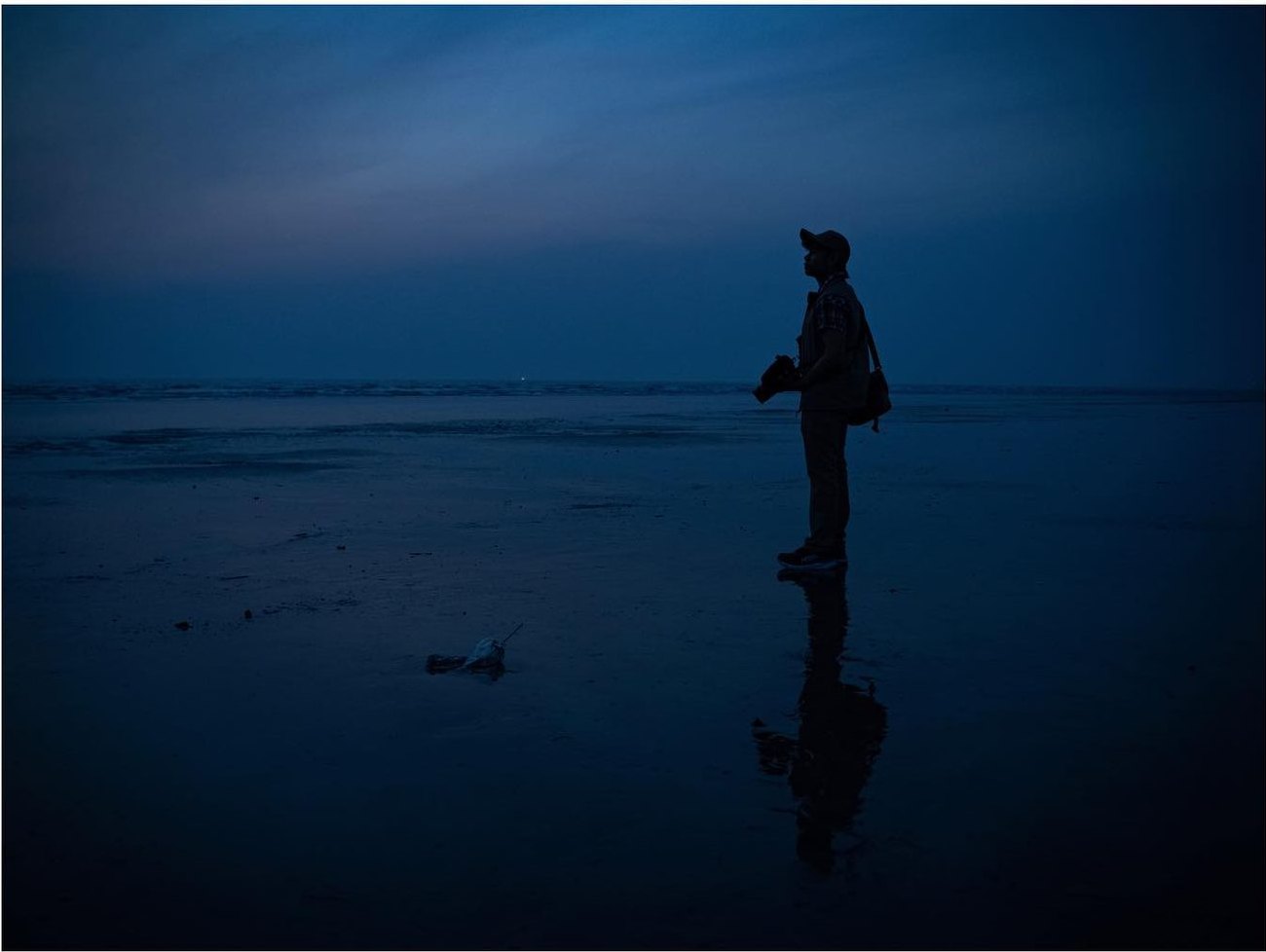
March 2021. On my first overseas reporting trip, I stayed here for a month with my team. Some people who go to developing countries photograph children like a spectacle, and show off themselves in the picture. I did not want to be like that.
A little beyond the camp, I listened to a woman whose family had been killed before her eyes in Myanmar, and who was then attacked by soldiers. Even so, my heart felt nothing. To be precise, my own sense of ethics put a lid on my emotions. Getting emotional or shouting would not change the course of a great river. Our role was to carry their story, in a form that would reach the people they wanted to reach.
Because the reason one person lives
can become someone else's reason to live.
In ten years of making films, I had never been so afraid of tomorrow, never had a day when my body groaned that it did not want to go out and film. Still, this is not something everyone can do, so I would see it through tomorrow too. Nervous at a checkpoint in a tuk-tuk on the way back, I opened my Bible.
At the distance of a home video
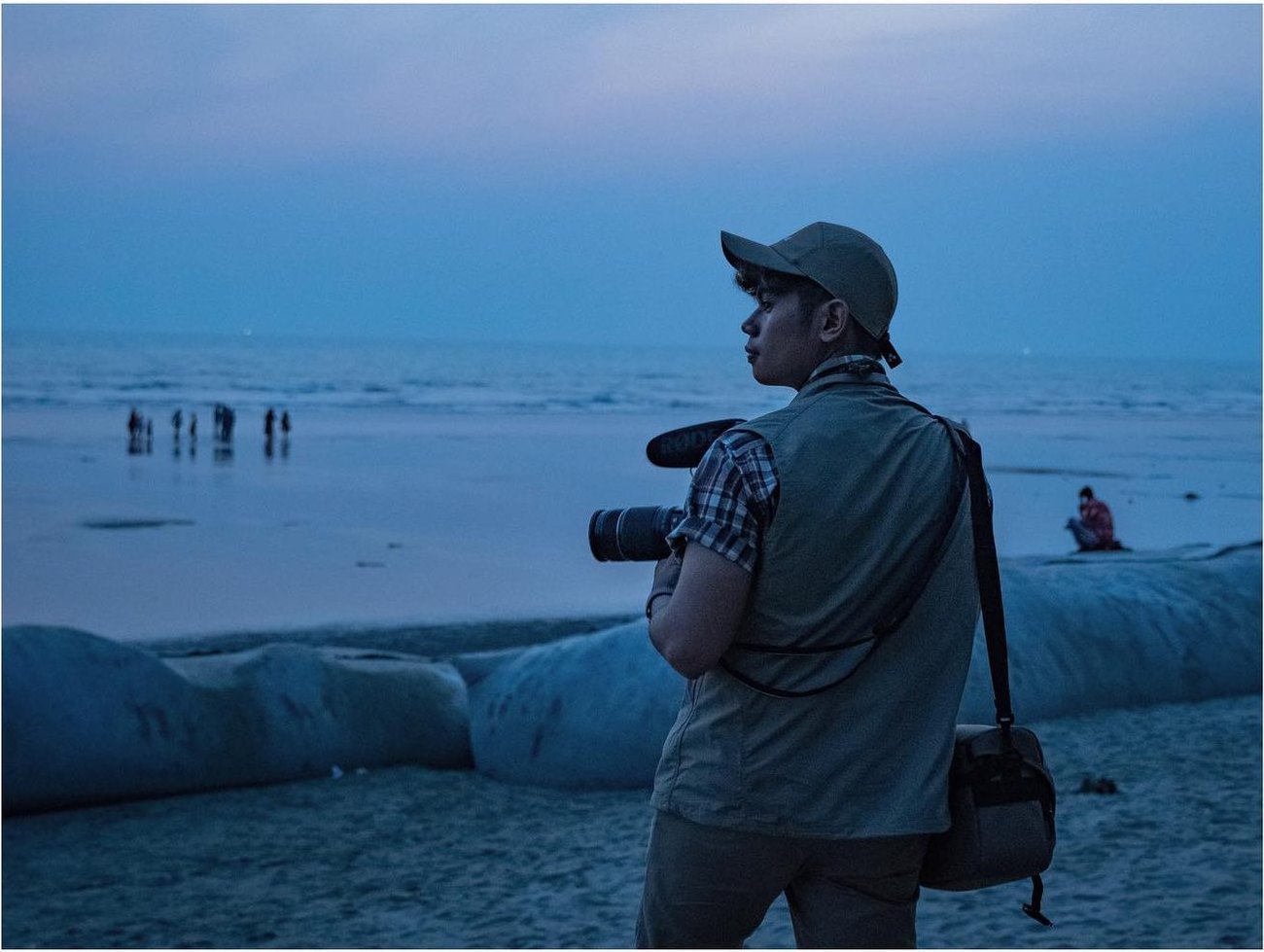
The careful, ethical style of news reporting is of course wonderful. But that distance is far, and the story becomes a distant one. When you face someone as one person to another, ethics to ethics, the camera comes as close as a home video. You do not need difficult words. You show the wonderful, shining parts of that person that no one has seen yet.
The people I met in the camps were not the “pitiful refugees” I had imagined. They were individual human beings, laughing, praying, hoping for tomorrow and living with everything they had.
People who lost their fishing to climate change and became pirates
After leaving Cox's Bazar, I reported on slaughterhouses and tanneries in the capital, Dhaka. Children were working in factories where hides are tanned in chemicals. From there, a 15-hour boat ride took us to Khulna in the southwest. Villages sinking as sea temperatures rise. Men who could no longer fish because of climate change, and had no choice but to become pirates. A girl whose marriage had been arranged at 13. All of them were small voices drowned out by louder ones.
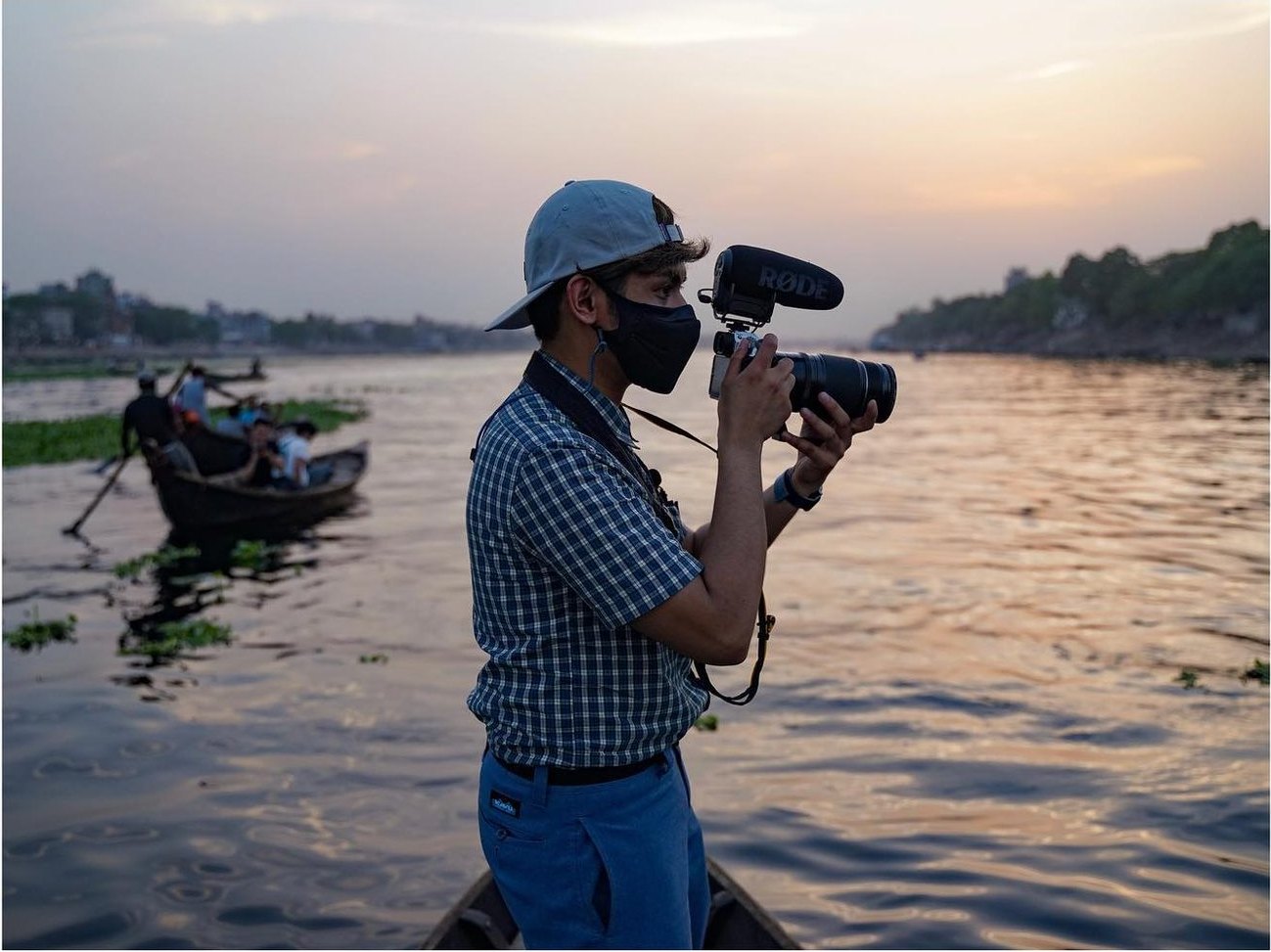
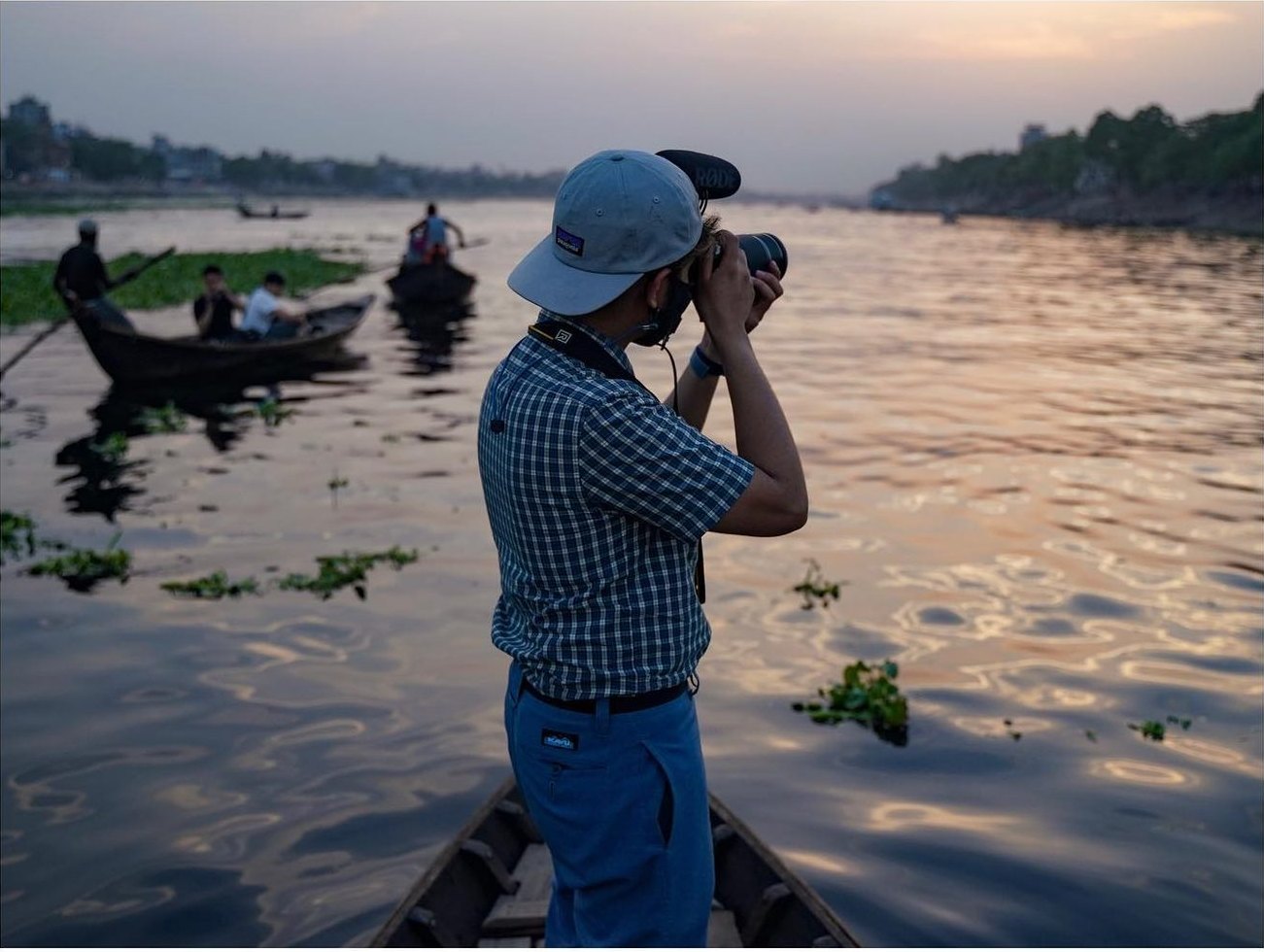
Interestingly, wherever I went, everyone had a family, a life, and someone to protect. That was the same all over the world. When you think about another person's pain, there is a moment when the line between the one reporting and the one being reported on melts, and the two meet.
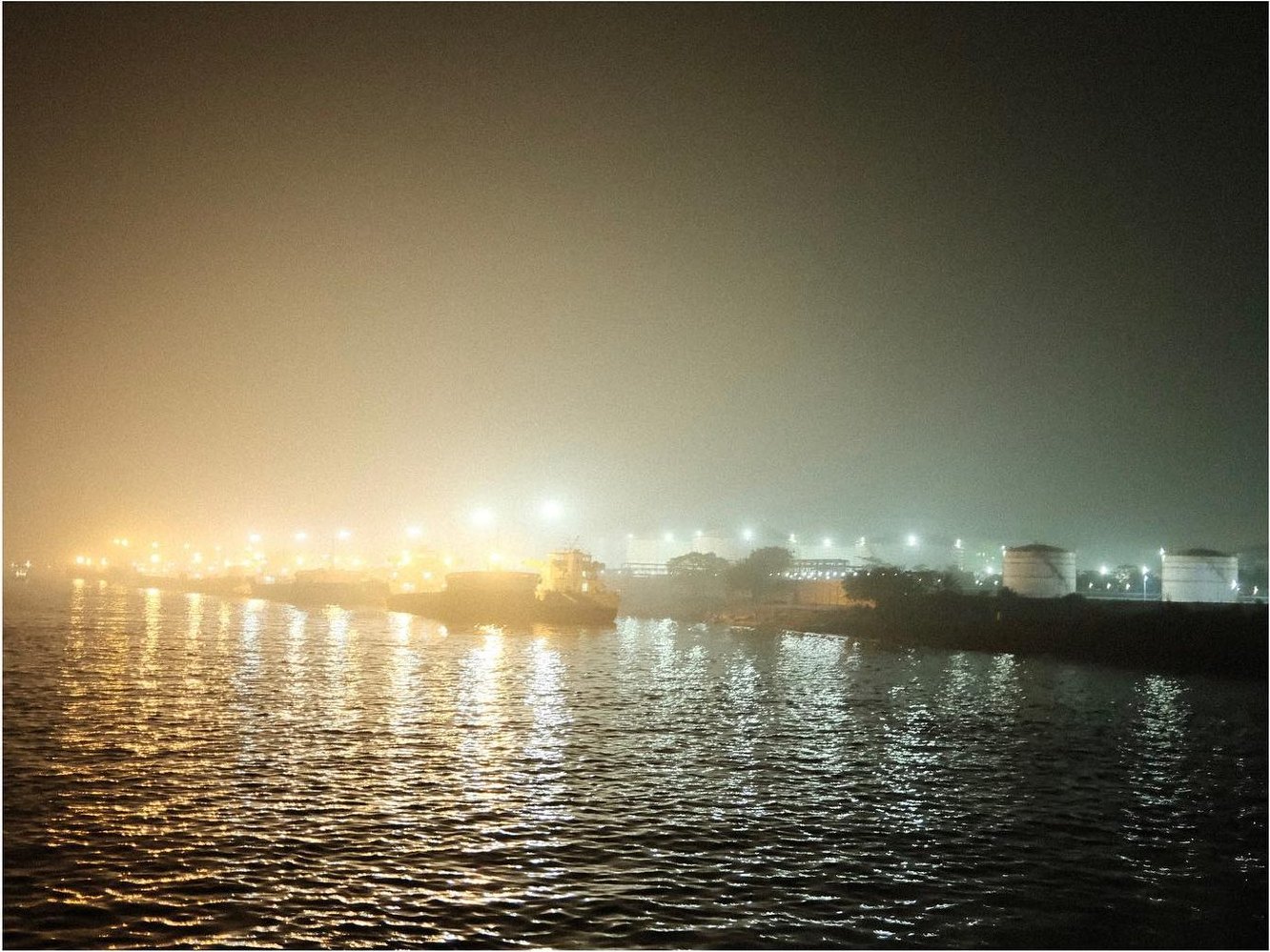
At the end of a month, unable to return
At the end of the shoot, everything changed. Bangladesh went into a COVID-19 lockdown, and international flights stopped. I also fell ill there and could not return to Japan for a while. Frustrated at being unable to do anything in a foreign country, I still kept thinking about the people on the other side of my viewfinder.
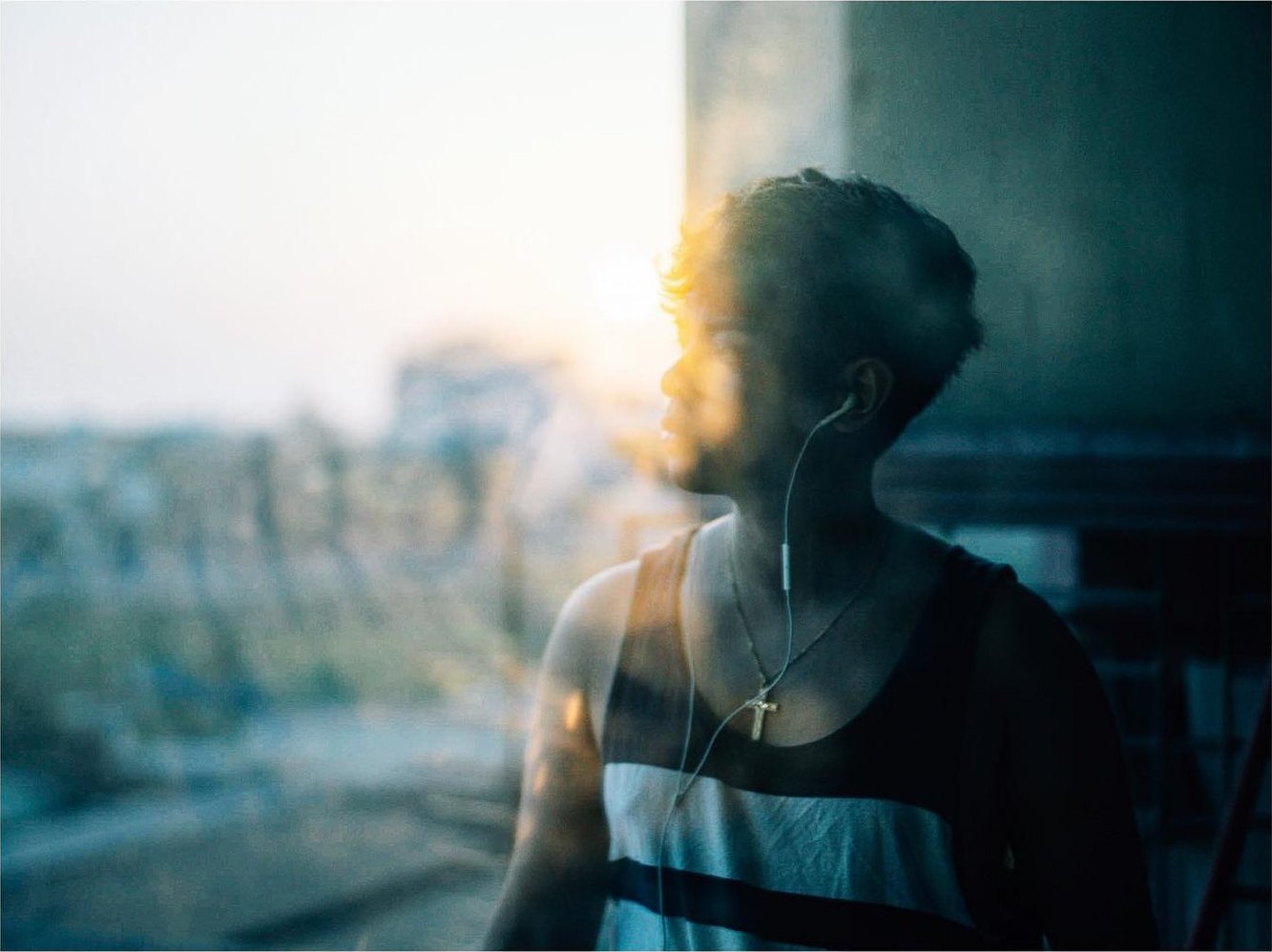
What could my films do for the tomorrows of the people I pointed my camera at that day? I still do not have an answer. But if I stop telling their stories, those voices will truly disappear. Carrying unheard voices, I think, is not a one-time news story but an ongoing responsibility.
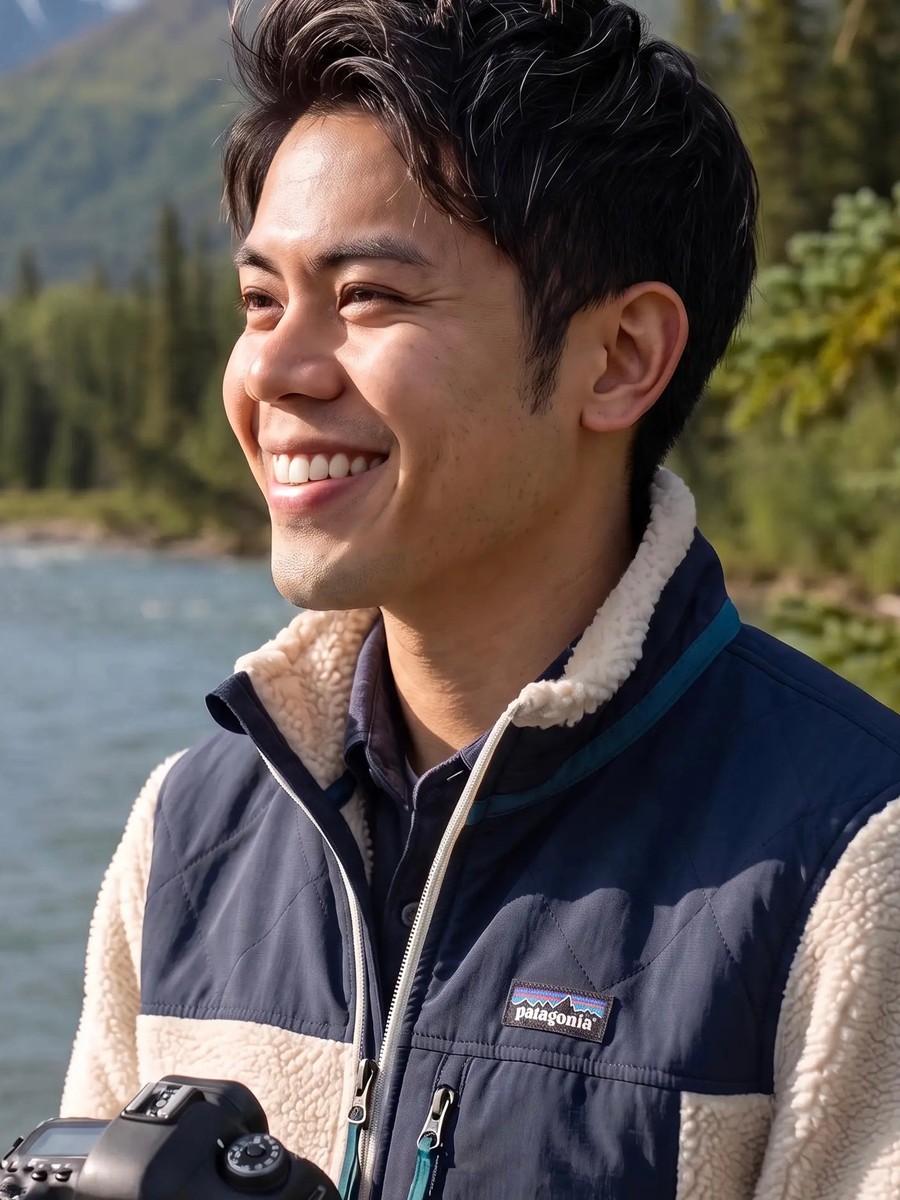
Narita Jun
Filmmaker and video journalist, born in Nagoya in 1993. As staff of an international NGO, he works in disaster response and humanitarian aid while making documentaries about people, wildlife and the earth. Green Film Festival 2024 Grand Prize.
Sources: UNHCR Japan, “Five years since the Rohingya crisis” (Japanese)
Photos: Connie (@konijournal) and others
This article is based on Instagram posts from March to April 2021 (1 · 2 · 3 · 4).