Field record
- Where
- Otaru and the Shakotan Peninsula, Hokkaido
- When
- Twice, in December 2020 and February 2021
- Themes
- The causes of kelp loss, fishery damage by sea lions, the history of herring fishing
- Interviewed
- Fishermen who live by the sea, and Mr. Fujita of the Sea Lions Club, who works with sea lions
Key points
- Isoyake is the severe decline or disappearance of seaweed beds on shallow rocky shores. In Hokkaido, grazing by sea urchins is well known, and warming is also working to reduce seaweed (Fisheries Agency).
- Steller sea lion numbers have recovered through protection, and they are now listed as near threatened. In fiscal 2025, fishery damage by marine mammals in Hokkaido came to about 1.09 billion yen, nearly 90 percent of it caused by sea lions.
- In December 2020 and February 2021, I listened to fishermen in Otaru and on the Shakotan Peninsula, and dove into the sea at minus 15 degrees. My first reporting as a journalist.
First published 2021.02.01 (Instagram) / Updated
The Shakotan Peninsula juts out from Hokkaido's Sea of Japan coast and is known for its sheer rocky cliffs and blue sea. In this sea, which once prospered from herring fishing, a quiet change is happening: seaweed disappears and bare rock is exposed, a phenomenon called isoyake.
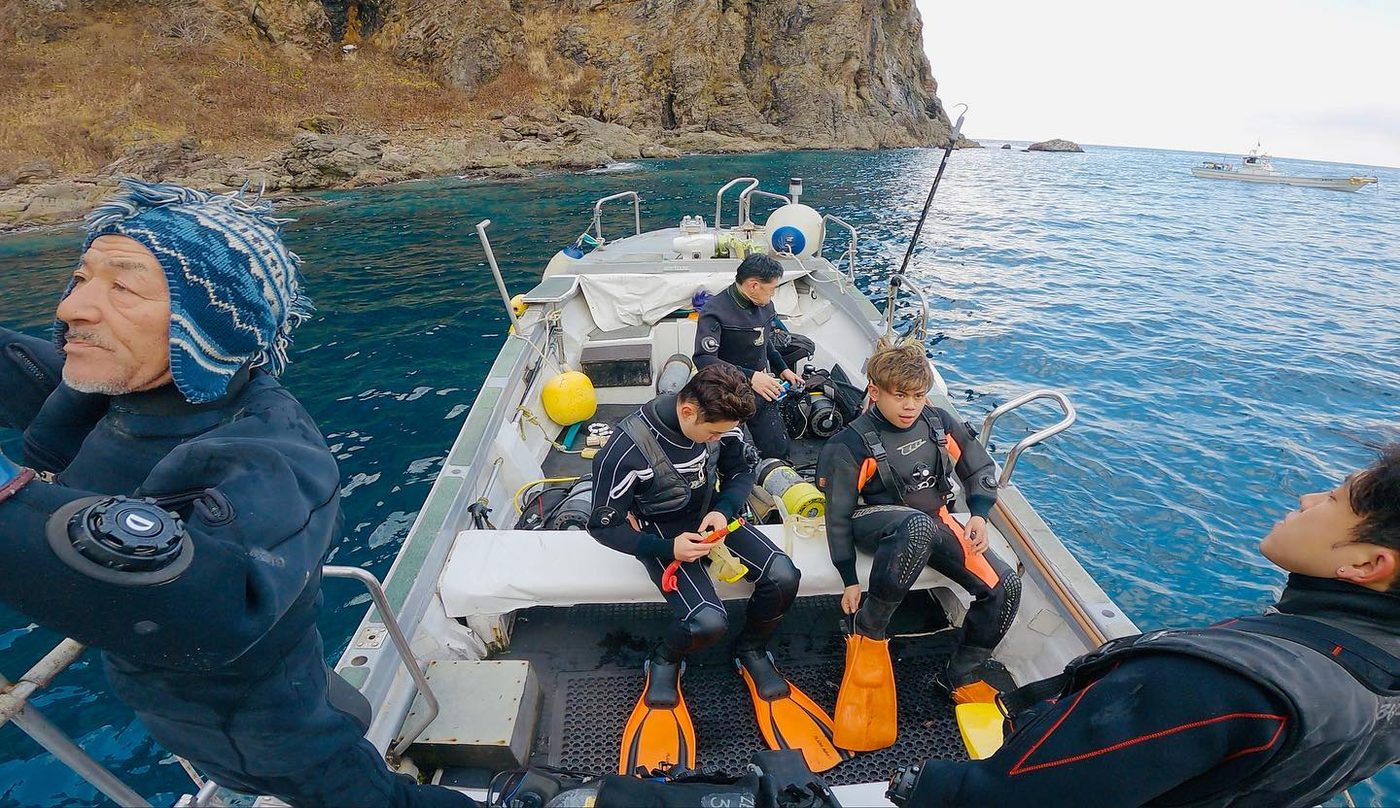
My first reporting was in midwinter Hokkaido
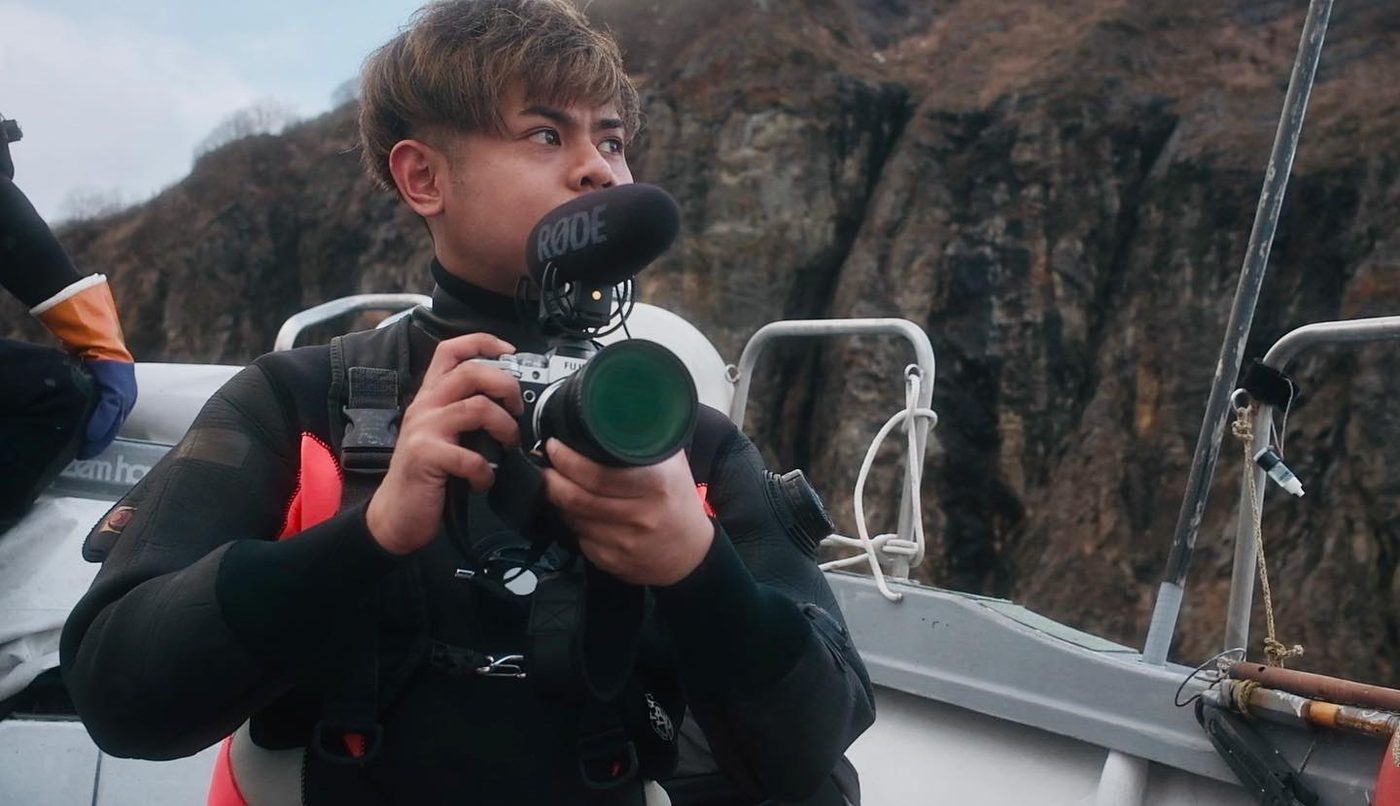
December 2020. When I began walking as a journalist, the first place I went was midwinter Hokkaido. In February, I returned to Otaru and the Shakotan Peninsula to report on fishery damage by sea lions and kelp loss. It was the first place where I directed and reported in earnest. Global warming, ocean issues, ecosystems, the history of Hokkaido. I read many books and crammed in the background knowledge before I went.

What is isoyake, and what causes it?
According to the Fisheries Agency's guidelines on isoyake, it is the phenomenon in which seaweed beds on shallow rocky shores severely decline or disappear, beyond normal seasonal change. Once it happens, it takes many years for the seaweed beds to return. Coastal resources such as sea urchins and abalone decline, greatly affecting coastal fisheries.
Seaweed declines because it is (1) eaten by sea urchins, fish and others, (2) withers, (3) stops sprouting, or (4) is washed away, or some combination of these. In Hokkaido, grazing by sea urchins is well known. And recent warming, it is said, is working to reduce seaweed in all four of these ways.
Sea lions and fishermen, each with their own side
Steller sea lions once declined sharply and were listed as endangered. Their numbers have recovered through protection, and they are now “near threatened” on the Ministry of the Environment's Red List. But the damage sea lions cause to fisheries, tearing nets and eating fish, is large. In fiscal 2025, damage by marine mammals such as sea lions and seals in Hokkaido came to about 1.09 billion yen, nearly 90 percent of it caused by sea lions. Lives to be protected, and the livelihoods of people who live by the sea. You cannot cut out just one side.
To film the sea lions, I dove into the sea at minus 15 degrees. It was truly cold.
Global warming was not a distant issue
Having grown up in the city, honestly, I had never given global warming a thought; it felt like a distant issue. But listening to fishermen, and diving into the sea to see the kelp loss myself, I felt it in my bones. It has come very close. When seaweed beds are lost, the cycle of life that gathered there collapses. The livelihoods of the people who live by the sea are threatened too.
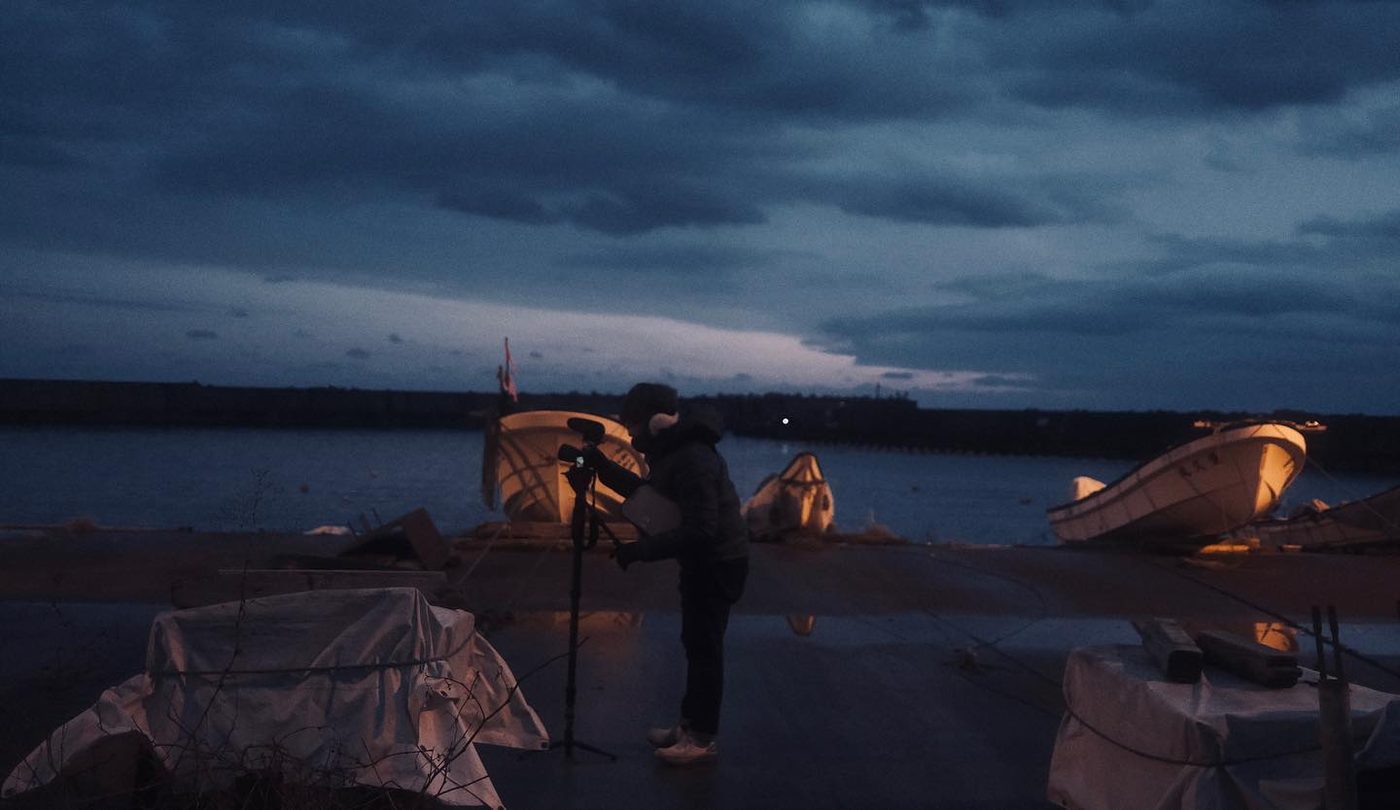
Knowing the reality on the ground, not just information.
I realized how important it is to see with your own eyes.
Listening carefully to local people convinced me of the importance of primary sources. Information on the internet is often outdated or highly subjective. Information from researchers and scientists, and records from people working on the ground: that is the foundation of what I report.
Films that are not simply consumed, for the people they should reach
Many people living in Japan probably feel the same way I did. That is exactly why I want to honor that feeling. Many films about environmental issues skip the background and end after stating the facts. I understand that the problems are so big that creators cannot take responsibility for everything. Even so, I want to make films that are not simply consumed, films that reach the people they should reach.

This reporting later led to my film for Hokkaido's Inochi no Denwa helpline. Not a single moment was meaningless.
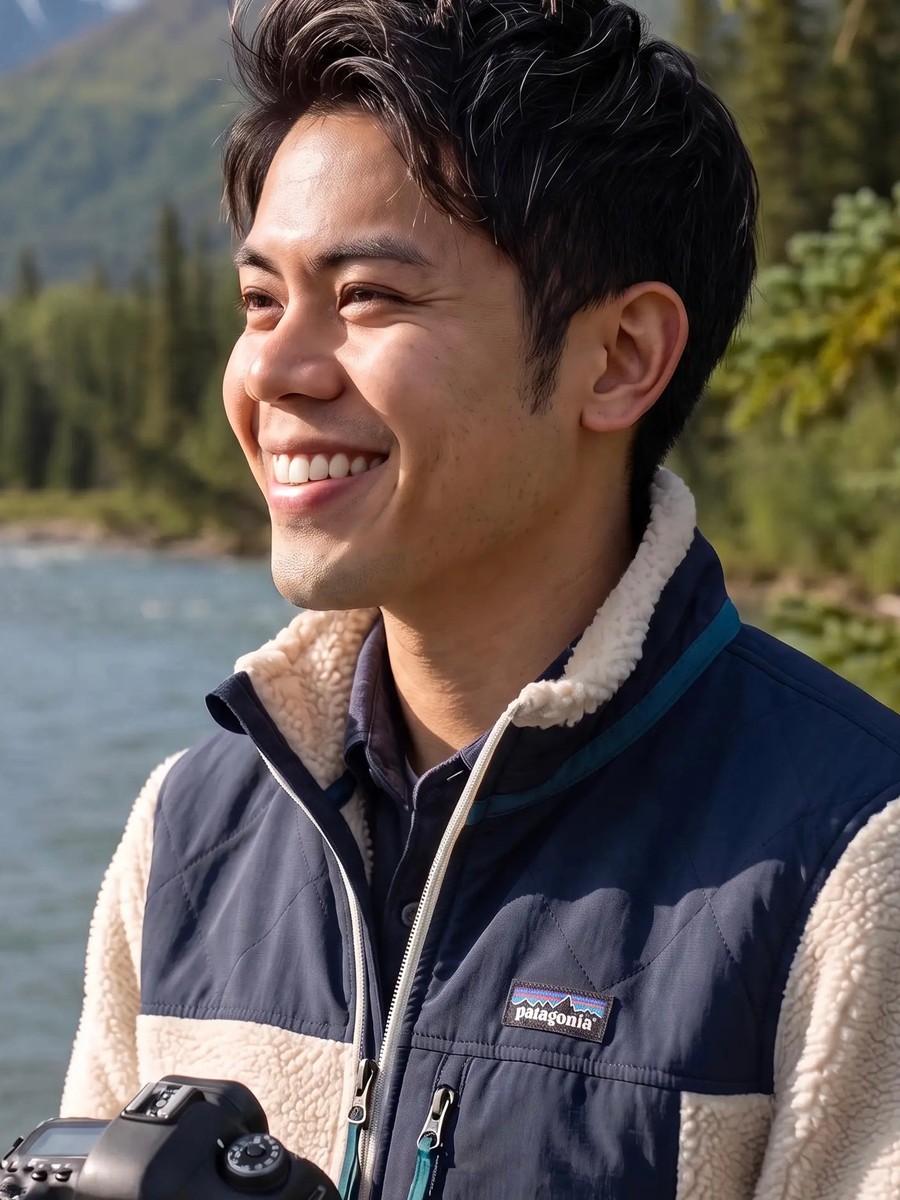
Narita Jun
Filmmaker and video journalist, born in Nagoya in 1993. As staff of an international NGO, he works in disaster response and humanitarian aid while making documentaries about people, wildlife and the earth. Green Film Festival 2024 Grand Prize.
Sources: Fisheries Agency, “Guidelines on isoyake countermeasures (3rd edition),” chapter 3 (Japanese), UHB, “Damage by sea lions, fur seals and seals in fiscal 2025: 1.09 billion yen” (Hokkaido government figures, Japanese), Fisheries Agency, “Fishery damage by wildlife and countermeasures” (Japanese)
This article is based on Instagram posts from December 2020 to April 2021 (1 · 2 · 3), rewritten as an article.