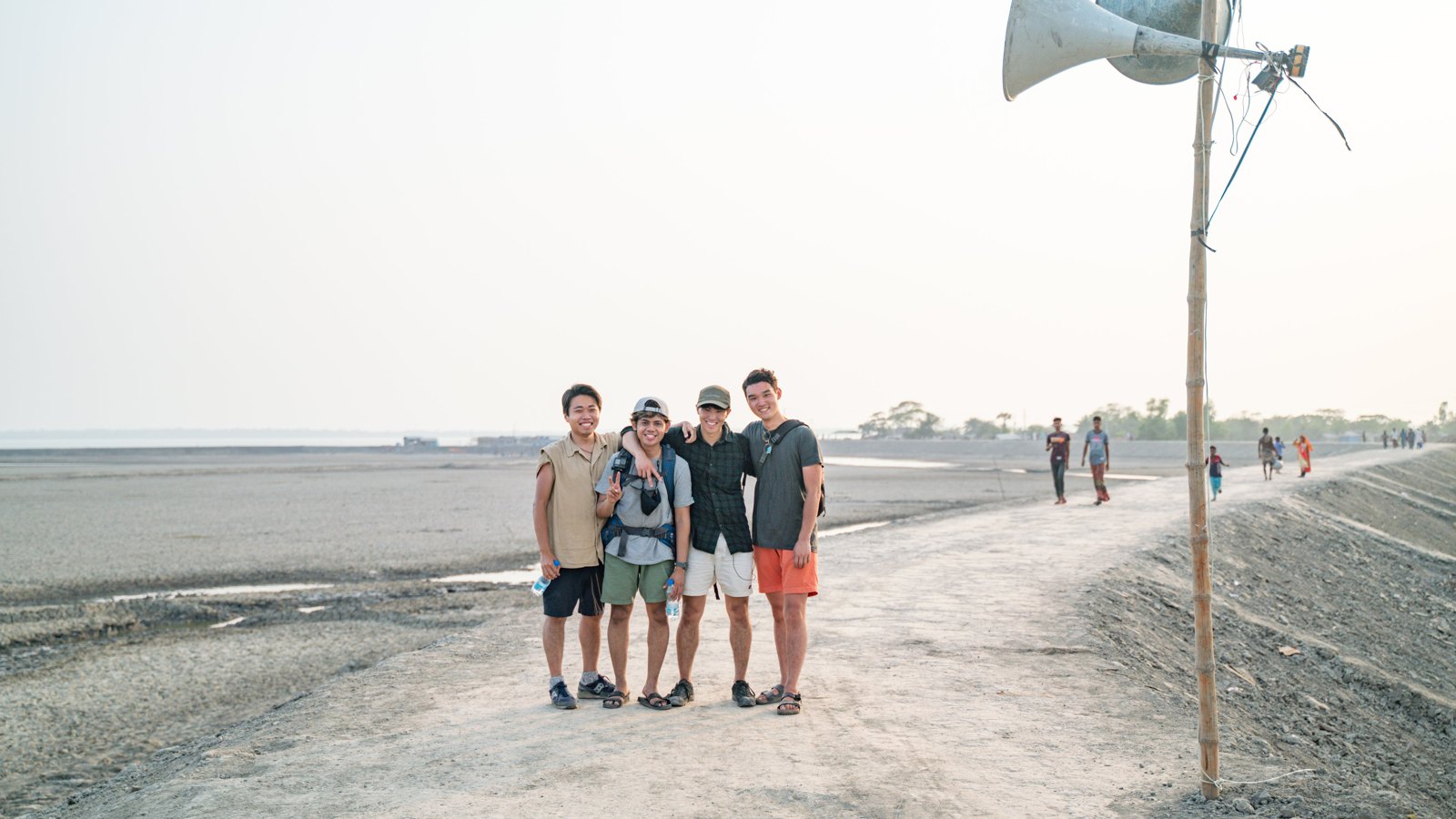
Key points
- From the word “journalist,” which I heard in prayer, to the sea off Ehime and midwinter Hokkaido, at 27.
- Through a film made with a suicide-prevention helpline during the pandemic, I spoke about my upbringing for the first time, on NHK.
- In the refugee camps of Bangladesh, “carrying unheard voices” changed from a slogan into a responsibility.
Updated
“Journalist, journalist”
In December 2019, as I opened my Bible in prayer, I heard those words. At first, I had no idea what they meant. (Laughs)
Because the word “journalist” had never been part of my life.
As one responsibility of having made it to adulthood
I had never imagined I would make it to adulthood. In the ten years when I was so very afraid of people, countless people came into my life. People who scolded me with a mother's love. People who held me with a father's love. People more like brothers than my own brothers.
Having lived this long was already enough. But as one responsibility of having grown up, what could I give back to this world?
In the summer of 2020, I met a 22-year-old university student called Connie through Instagram, and little by little, the way forward came into view. Konishi, a journalist.
My first reporting was on ocean litter in Ehime
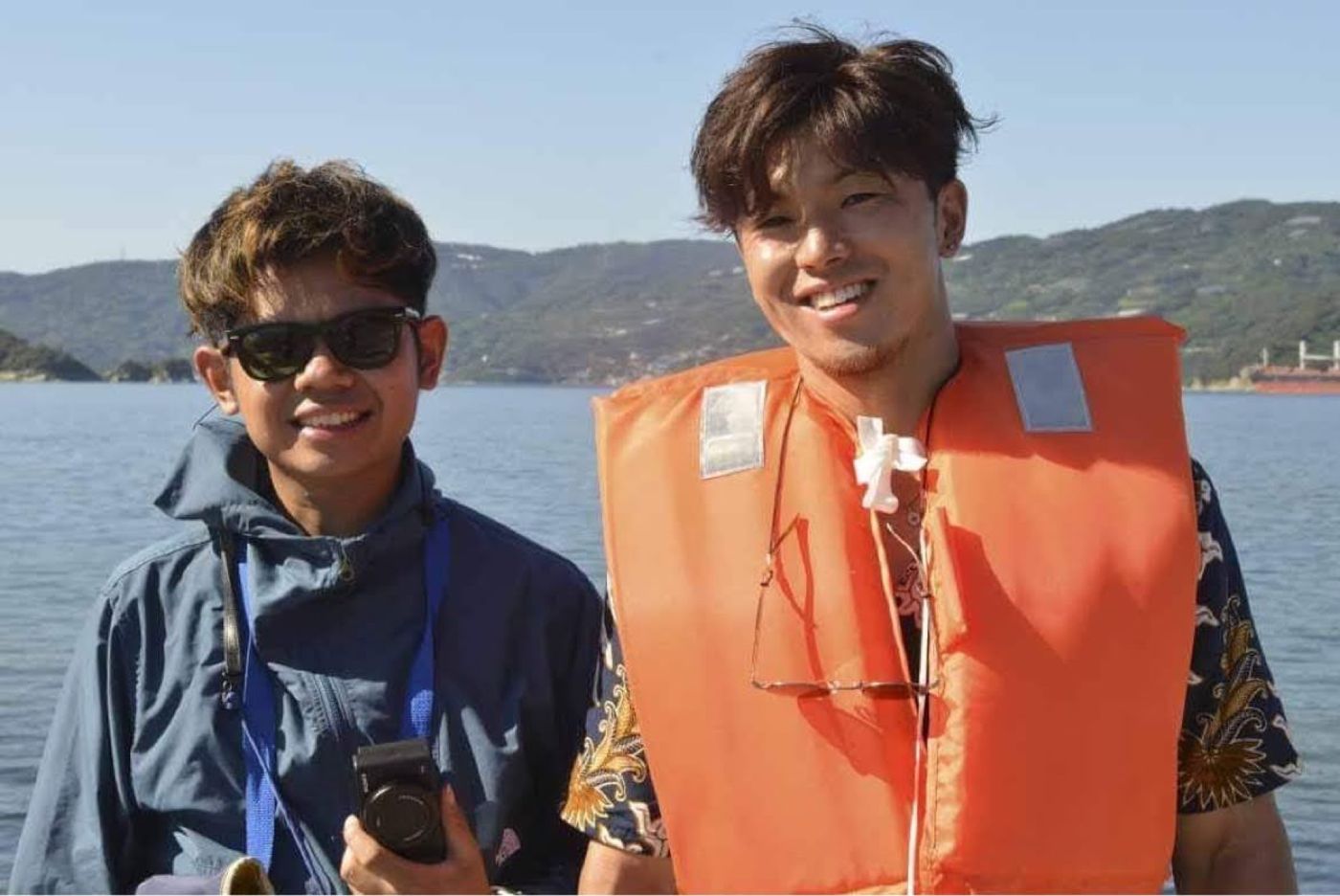
In August, I went with Konishi to the Seto Inland Sea in Ehime, to report on a group that approaches hard-to-reach shores, such as uninhabited islands, by boat and collects the trash there.
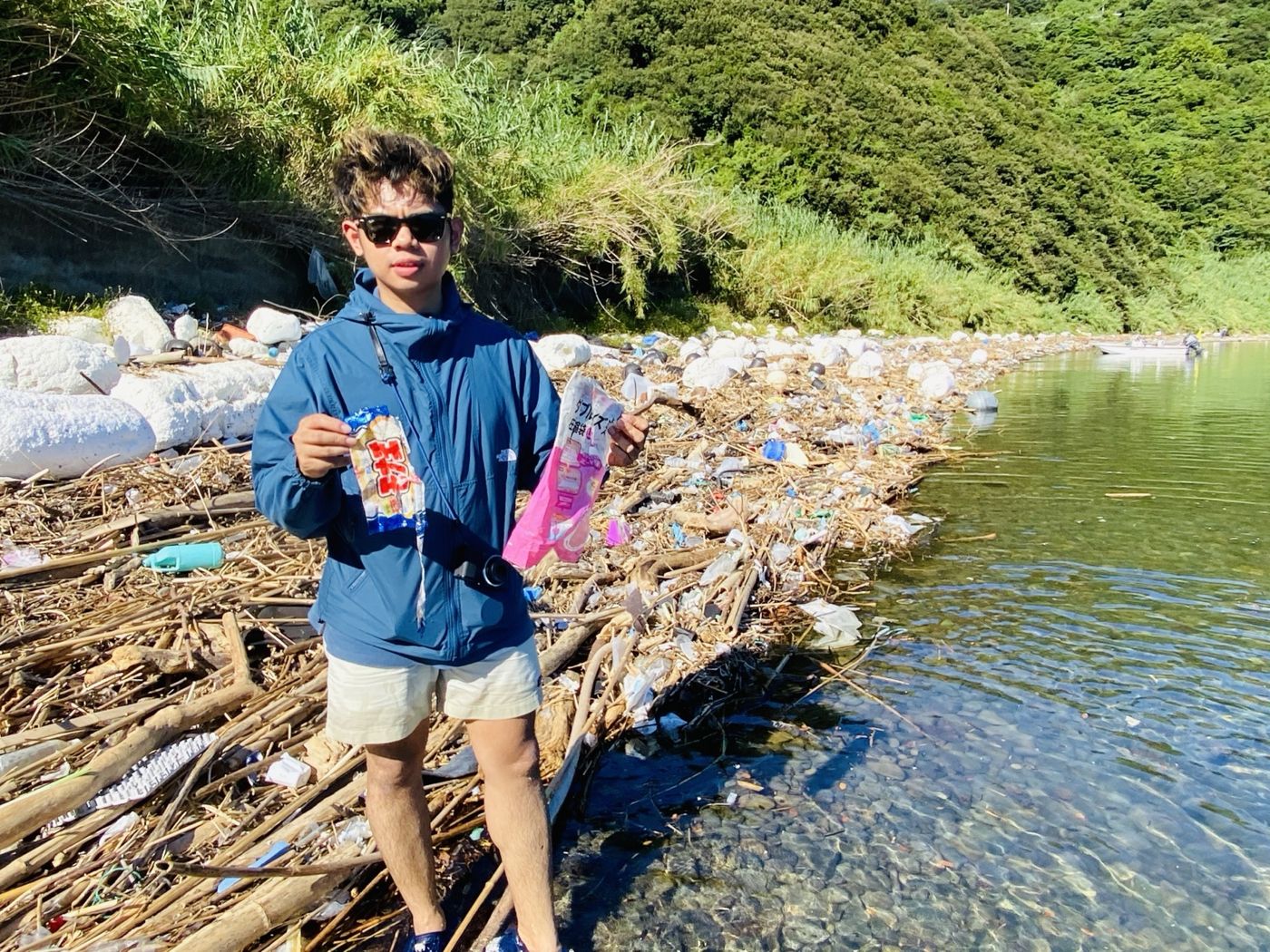
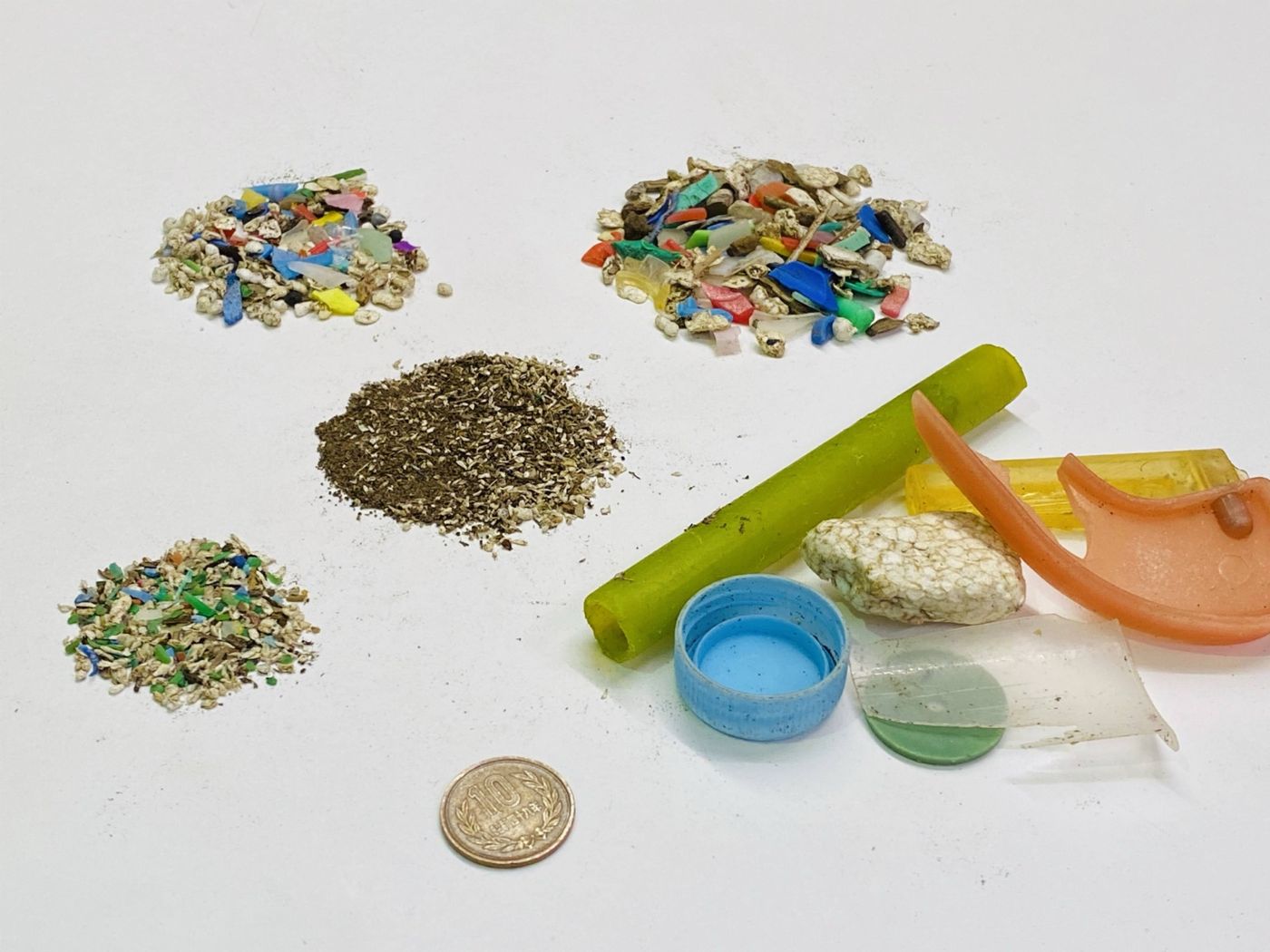
We were even allowed to sift out microplastics ourselves. Fish and sea animals would die from this. The effect on us humans would be immeasurable, too.
Then, in December, I headed to midwinter Hokkaido.
And then, the sea lions of Hokkaido
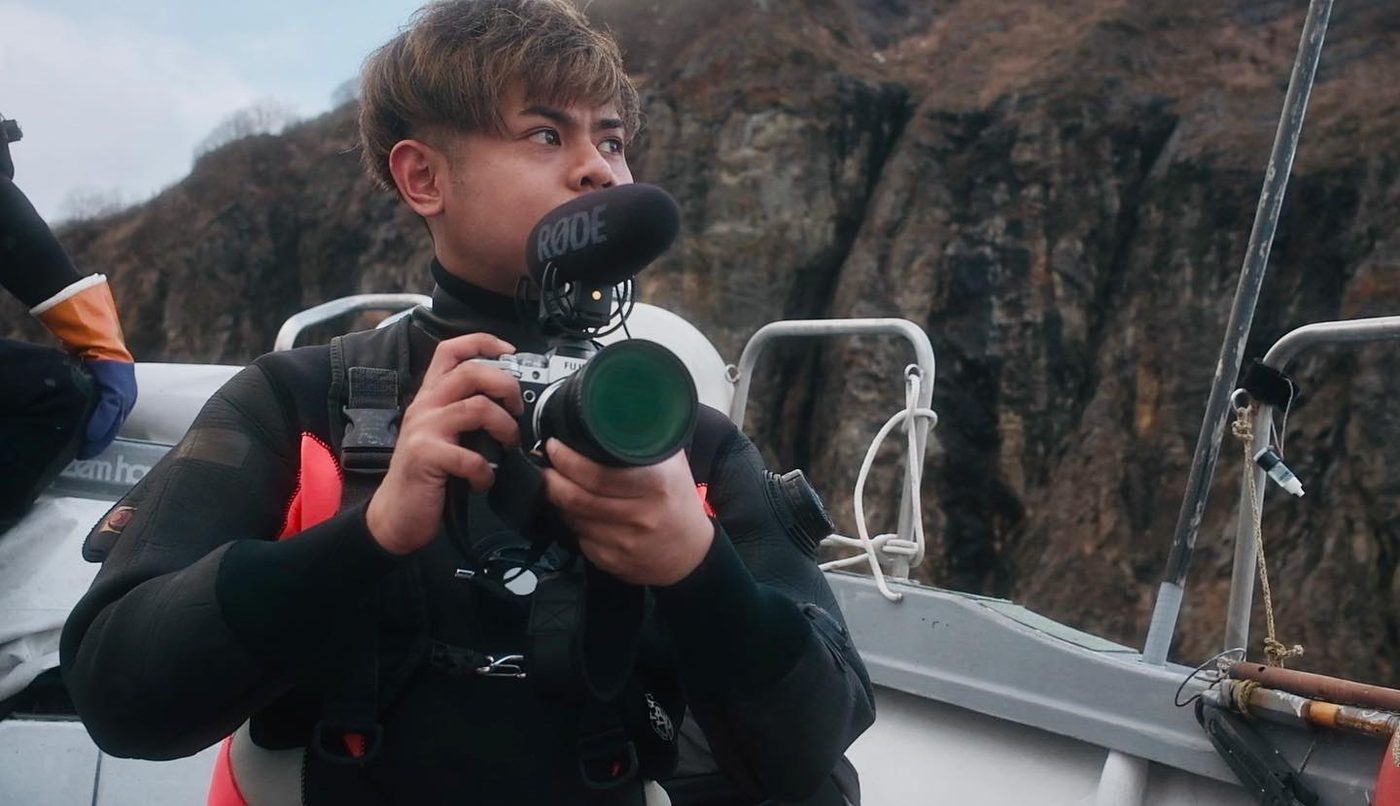
At 27. In a sea where kelp loss is advancing with climate change, I pointed my camera at sea lions and the fishermen looking for a way to live alongside them. To film the sea lions, I dove into the sea at minus 15 degrees.
Having grown up in the city, honestly, I had never given global warming a thought; it felt like a distant issue. But when I listened to fishermen and dove down to see the kelp loss myself, I felt it in my bones: “It has come very close.”
Filming and telling were completely different
There, I learned something for the first time. Filming and telling are completely different things.
In the commercial world, I had sharpened my skills. I could make beautiful films. But to carry the weight of the reality in front of me straight into someone's heart, skill alone is not enough. Unless you go deeper, it does not reach.
Many films about environmental issues skip the background and end after stating the facts. So instead of the strength of telling the truth, I chose a gentle journalism that thinks about other people's pain. I wanted to make films that are not simply consumed, films that reach the people they should reach.
A helpline where three calls in a hundred got through
In Hokkaido, I came across another place: the Inochi no Denwa helpline, overwhelmed during the pandemic. Three calls in a hundred got through. Voices fading on the other end of the line.
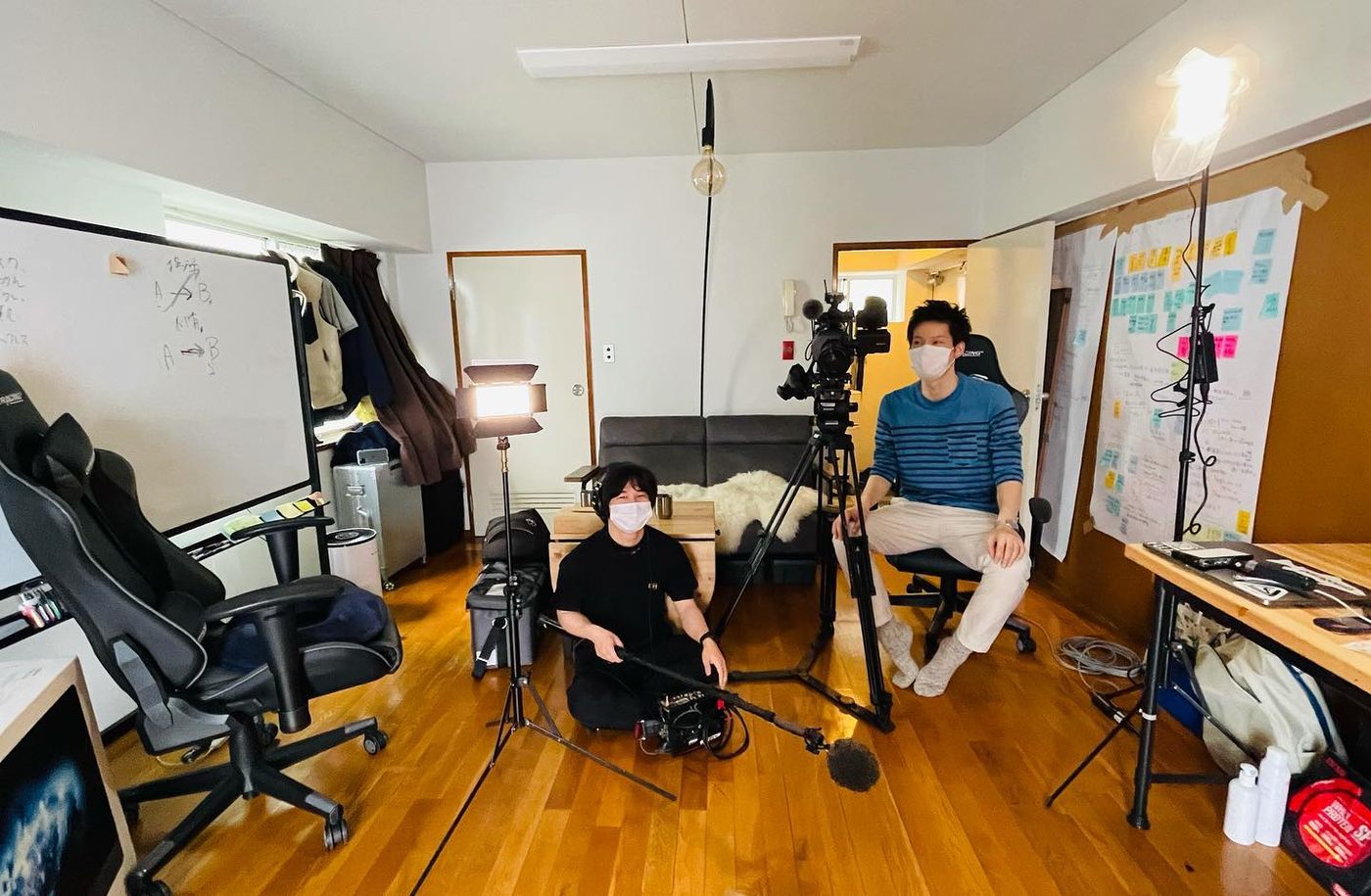
I made a film with the song “Thank You for Being Alive” by the rock band Night de Light. Instead of actors or extras, we asked people who had truly struggled in their lives to appear. Bullying, workplace harassment, family conflict. Seven people with painful pasts. Believing that there are messages only people who have lived it can carry, I filmed them supporting one another.
“You are never alone.
There is always someone who will stay beside you.”
The smallest voices are the farthest away
March 2021. My first trip to a country other than my homeland: Bangladesh. Cox's Bazar, a town in the southeast. One of the largest refugee camps in the world, home to about one million Rohingya people who fled Myanmar. I stayed there for a month with my team.
The smallest voices are the farthest away.
So unless you go all the way there, you cannot hear them.
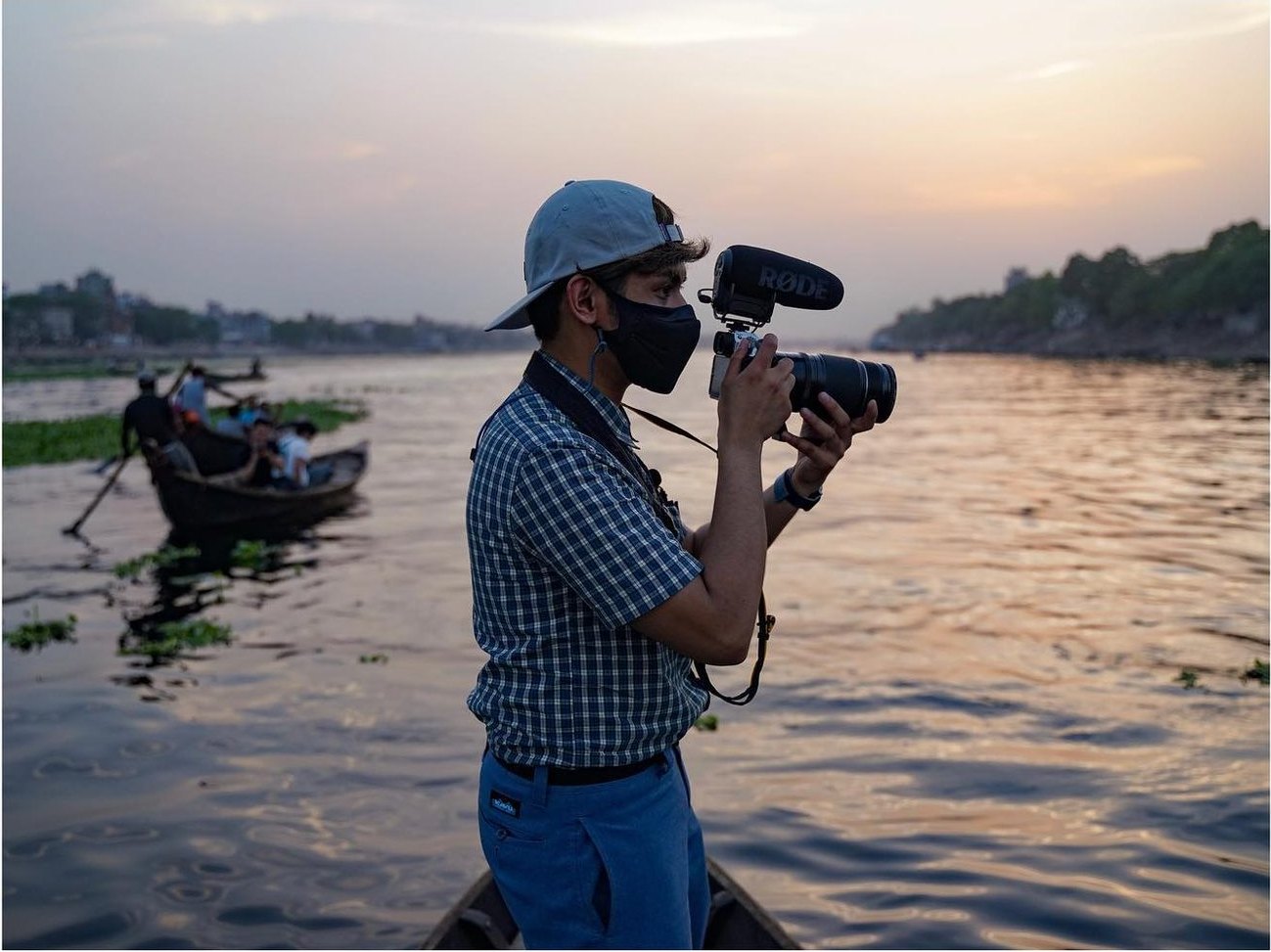
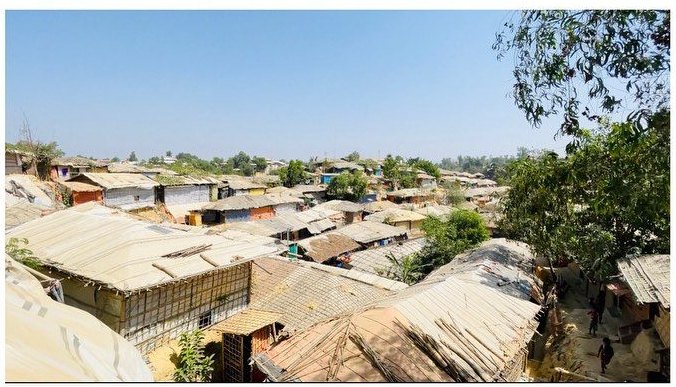
The people I met in the camps were not the “pitiful refugees” I had imagined. They were individual human beings, laughing, praying, hoping for tomorrow and living with everything they had.
Pirates born of climate change, child labor, children working in tanneries, a girl whose marriage had been arranged at 13. Every time I pointed my camera, my sense that I already understood fell apart.
Hospitalized, and more than a million yen
Around the time I was due to come home, I caught COVID-19 there and was admitted to a local hospital. Burning with fever in a foreign land, I still kept thinking about the people on the other side of my viewfinder.
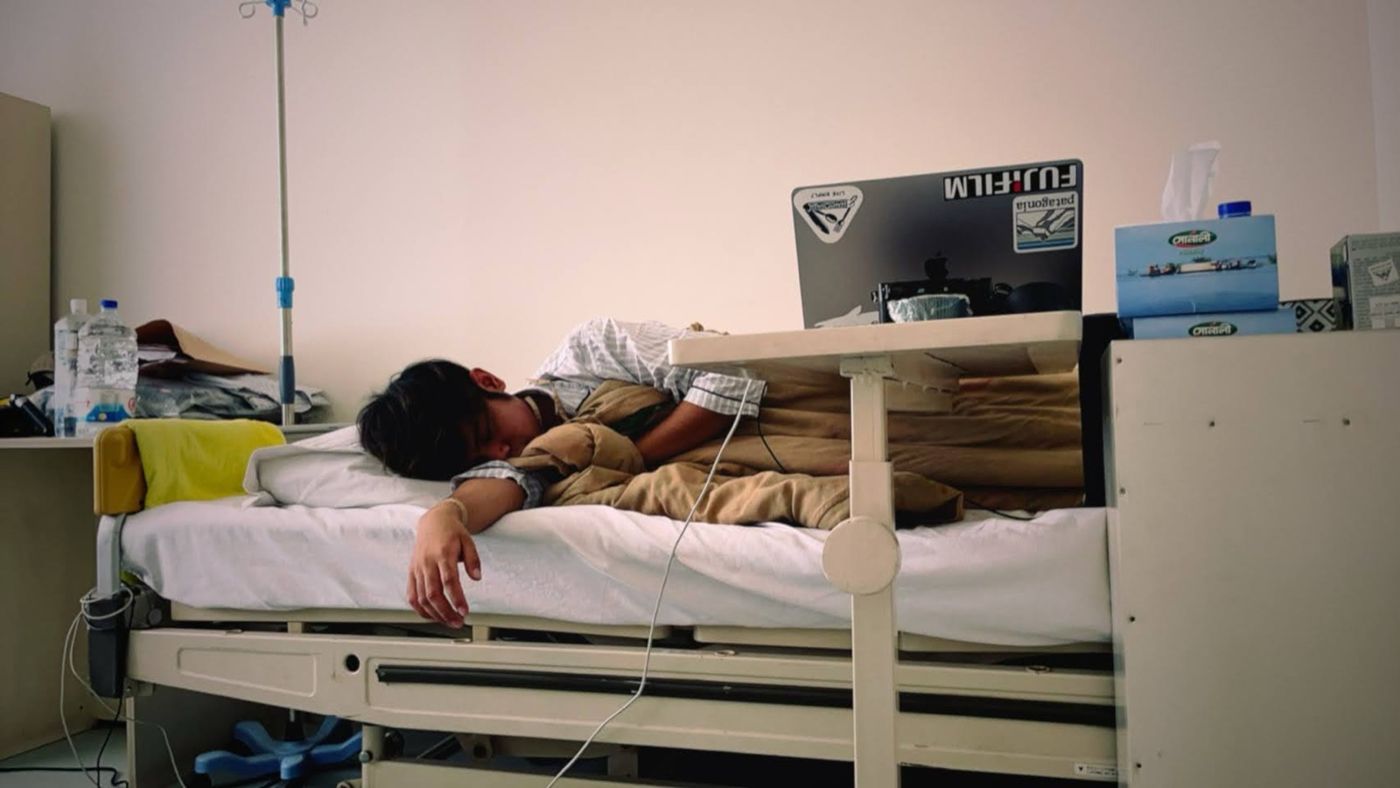
Including the hospital bills, more than a million yen was gone. On top of that, jobs were cancelled, and I despaired. All of this reporting had been paid for out of my own pocket.
For the first time, I spoke about my upbringing on camera
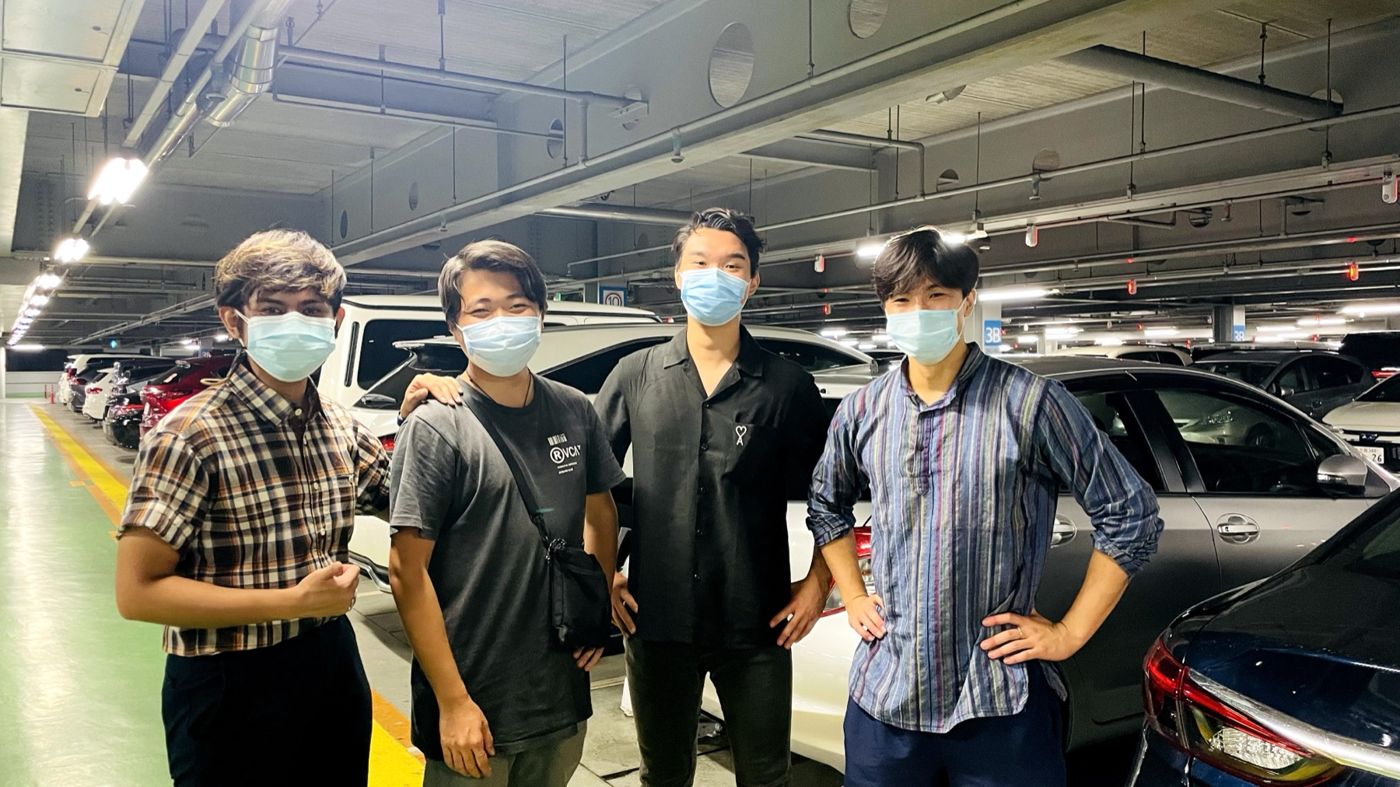
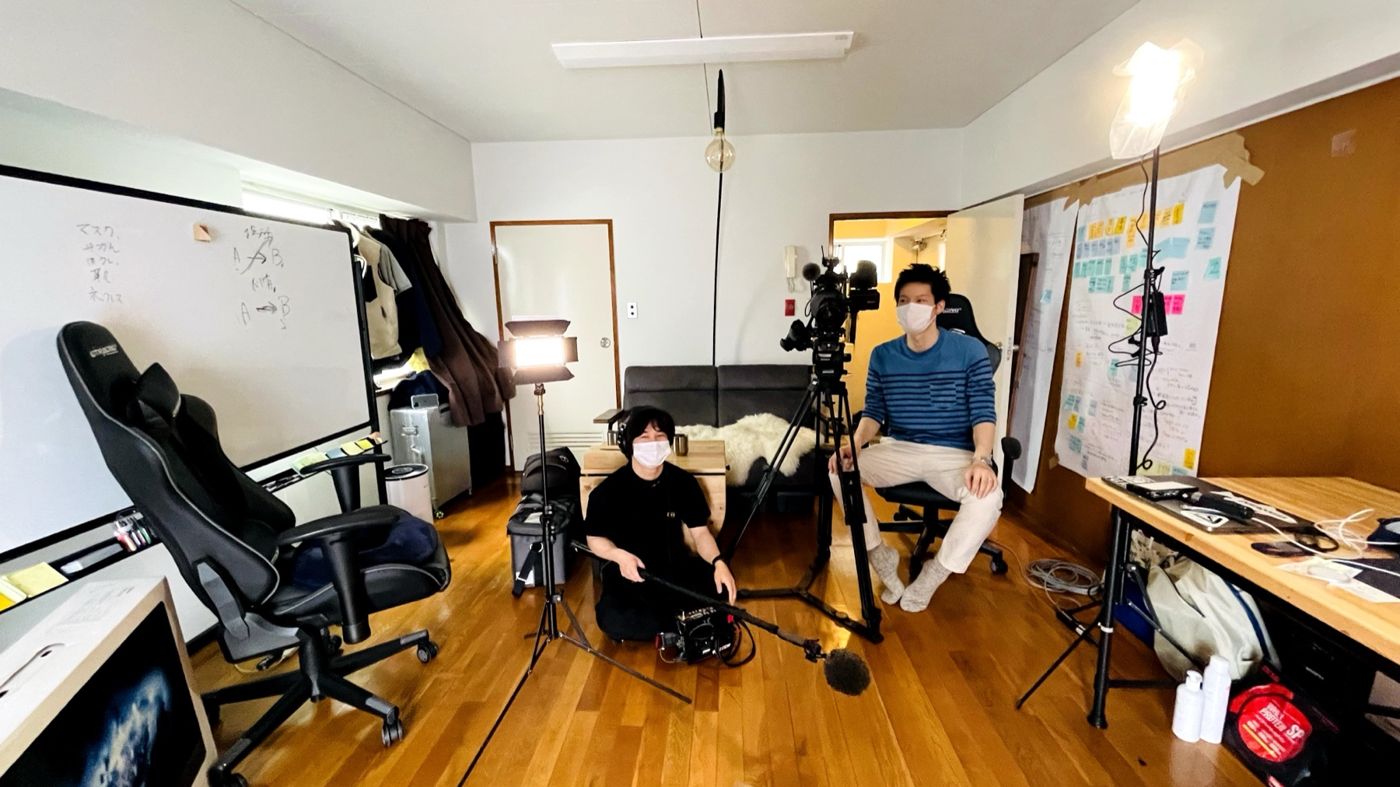
The film “Thank You for Being Alive” was put on DVD and distributed to elementary and junior high schools. And right around the time I came home, NHK featured it and broadcast it nationwide. I was interviewed as the director and, for the first time, spoke about my own upbringing on camera. As I talked, gratitude overflowed, and I cried two or three times.
I, who had kept asking “Why was I born?”, felt I had come a little closer to an answer. Precisely because I have been through painful things, I can make films that reach people who feel the same way. I want to stake my life on that. It was the first step toward feeling that way.
A word from a store manager
After the broadcast, I went to an outdoor gear store as usual, to look at clothes for reporting. The store manager had seen the broadcast and spoke to me.
“If you're doing that kind of work, John,
let's do something together.”
From there, a partnership with that outdoor brand, and films made with its grants, moved forward. I was truly amazed.
“Carrying unheard voices” became a responsibility
I could no longer go back to being someone who only made beautiful films. The words “carrying unheard voices” changed from a slogan into a responsibility.
Since then, I have kept walking to places in Japan and abroad. To towns hit by typhoons. To seas with bleaching coral reefs. To tidal flats where migratory birds gather. Even the life of a single child whose name no one knows was, for me, a life there was no reason to give up on.
May my films reach the side of someone who, like me long ago, cannot raise their voice.
“Open your mouth for the mute, in the cause of all who are left desolate.”— Proverbs 31:8 (World English Bible)
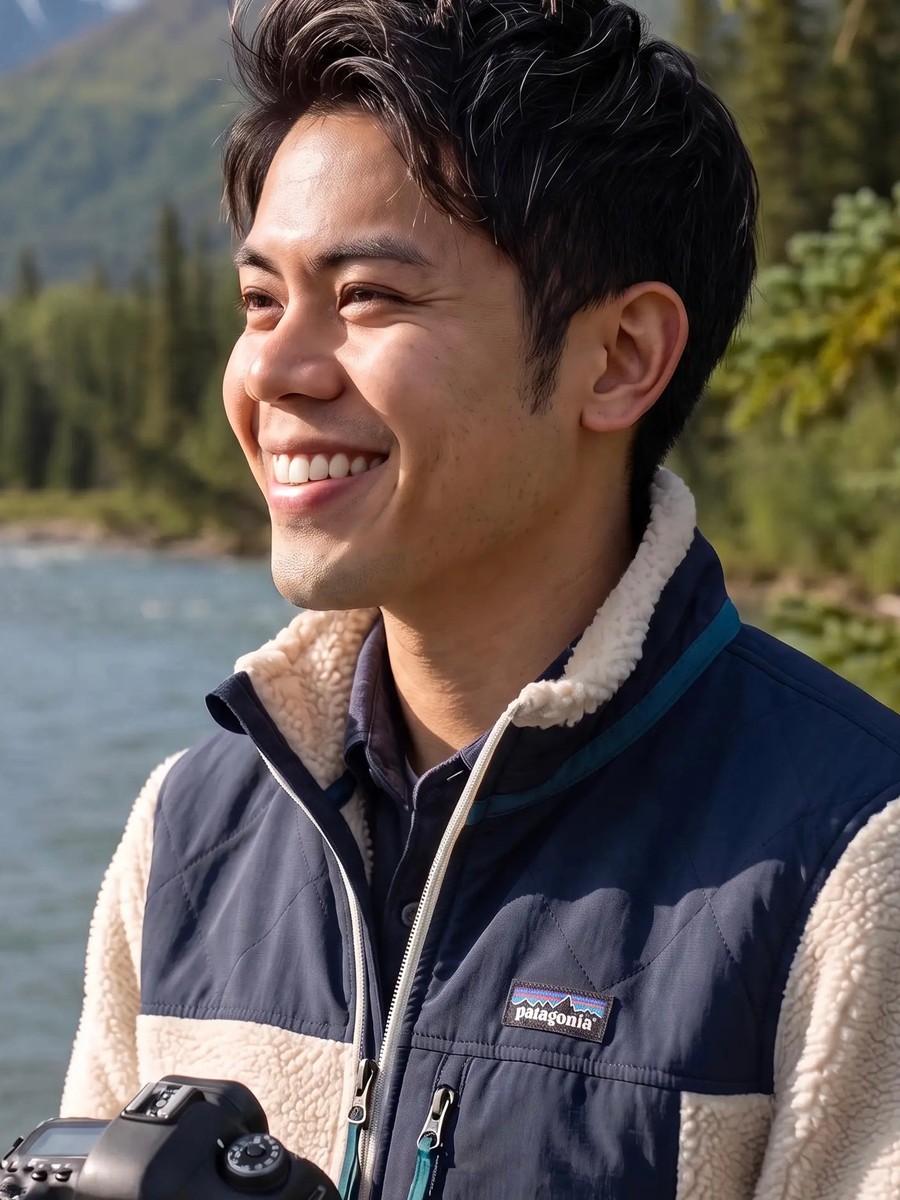
Narita Jun
Filmmaker and video journalist, born in Nagoya in 1993. As staff of Peace Winds Japan, he works in disaster response and humanitarian aid while making documentaries. Green Film Festival 2024 Grand Prize. His upbringing and work were featured in the NHK national feature “I Was Only Born.”