
Field record
- Where
- Sapporo, Hokkaido
- When
- October 2020 to March 2021 (production)
- With
- Hokkaido Inochi no Denwa and the rock band Night de Light
- What I made
- The music video “Thank You for Being Alive” (director)
Key points
- During the pandemic, Hokkaido Inochi no Denwa was so overwhelmed that only three or four calls in a hundred got through. The calls are answered by volunteer counselors whose average age is 66.
- I directed the music video “Thank You for Being Alive” for Inochi no Denwa and the rock band Night de Light. The cast were not actors, but seven people who had truly struggled in their lives.
- The film was distributed to elementary and junior high schools on DVD, and featured on NHK's “Hot News Hokkaido.”
- At the end of the article, I have listed where people who are struggling right now can get help.
First published 2021.05.20 (Instagram) / Updated
Inochi no Denwa (“the lifeline”) is a phone helpline where people in so much pain they want to die can talk anonymously. During the pandemic, as isolation deepened, the line was so overwhelmed that only three or four calls in a hundred got through.
Three calls in a hundred get through
The calls are answered by volunteer counselors whose average age is 66. Working around the clock, 365 days a year, they struggle day and night to stop suicides. In one meeting, someone from Hokkaido Inochi no Denwa told me: “We have to change from those who receive to those who send out a message.”
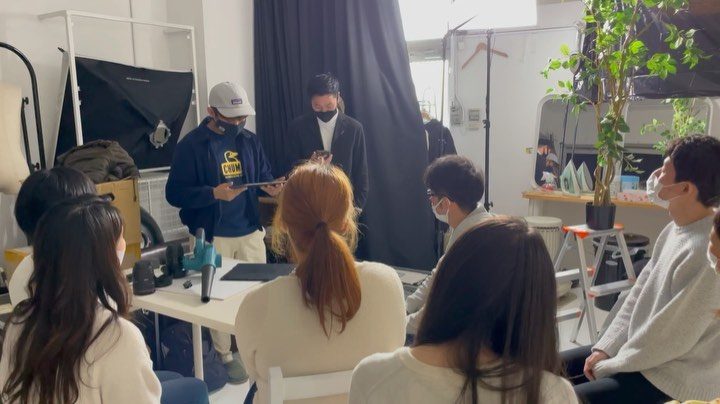
The first film was the music video “Thank You for Being Alive,” a song made in partnership between Inochi no Denwa and Night de Light, a rock band based mainly in Hokkaido. From October 2020, I talked again and again with the production team about suicide.
Why do people take their own lives?
September 1, when summer vacation ends, is said to be the day of the year with the most child suicides. In 2020, 499 elementary, junior high and high school students took their own lives. Why do people take their own lives? Having been there myself, I have thought about it for a long time. One answer I found was imagination. Pain of the body and pain of the heart are known only to the person feeling them. However loudly they cry out, it is hard for others to understand.
If pain is born from a lack of imagination, then I want to help that imagination through the gift I have been given. With that decision, I have kept making films.
Not with actors, but with people who truly suffered
We had planned everything in detail and only the shoot remained, but we could not find the most important cast. We could have asked actors. But this time, that would have been a lie. We kept searching until the very end, and asked seven people who had truly struggled in their lives to appear. Bullying, workplace harassment, family conflict. Believing that there are messages only people who have lived it can carry, I filmed them supporting one another.
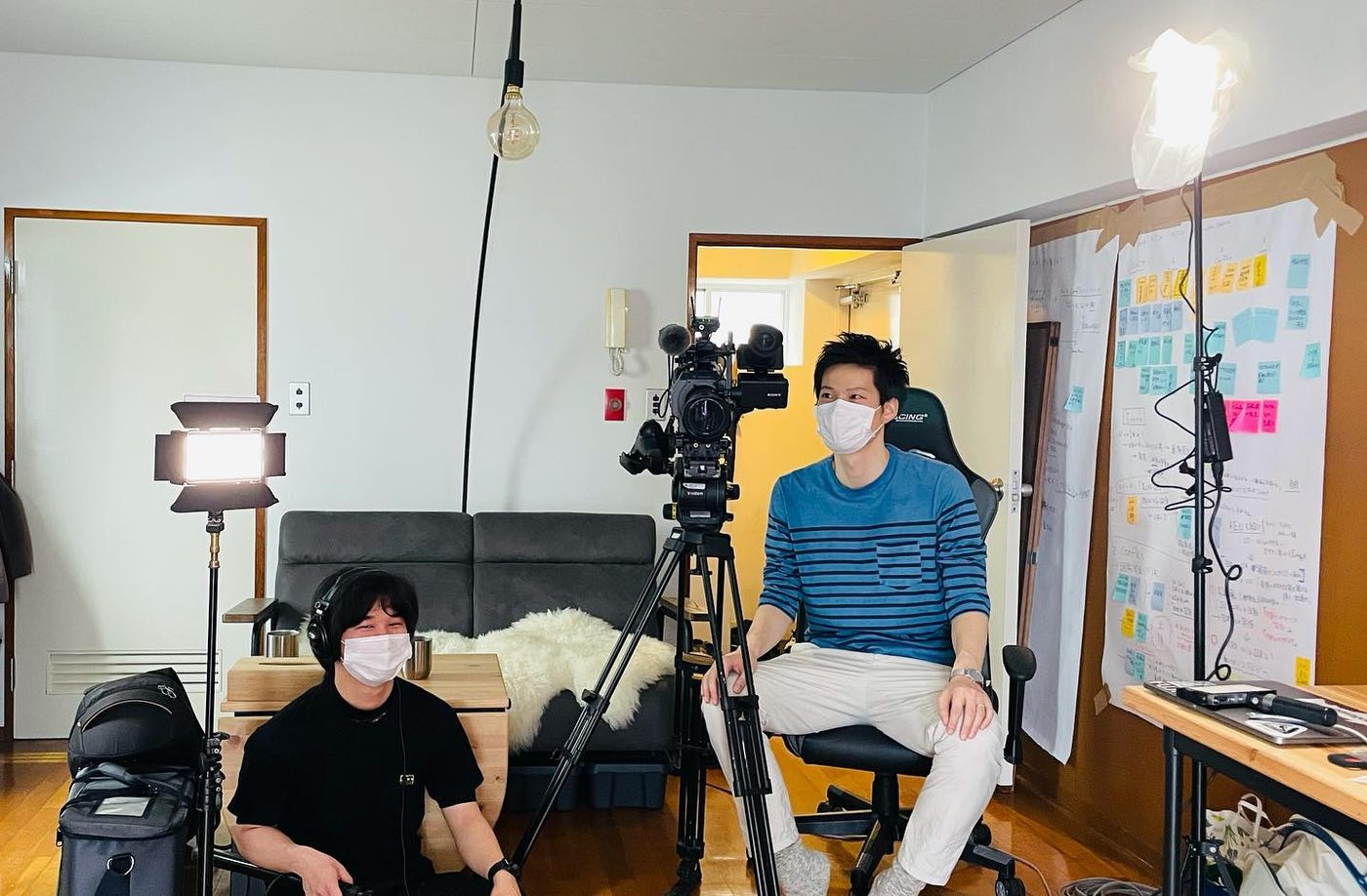
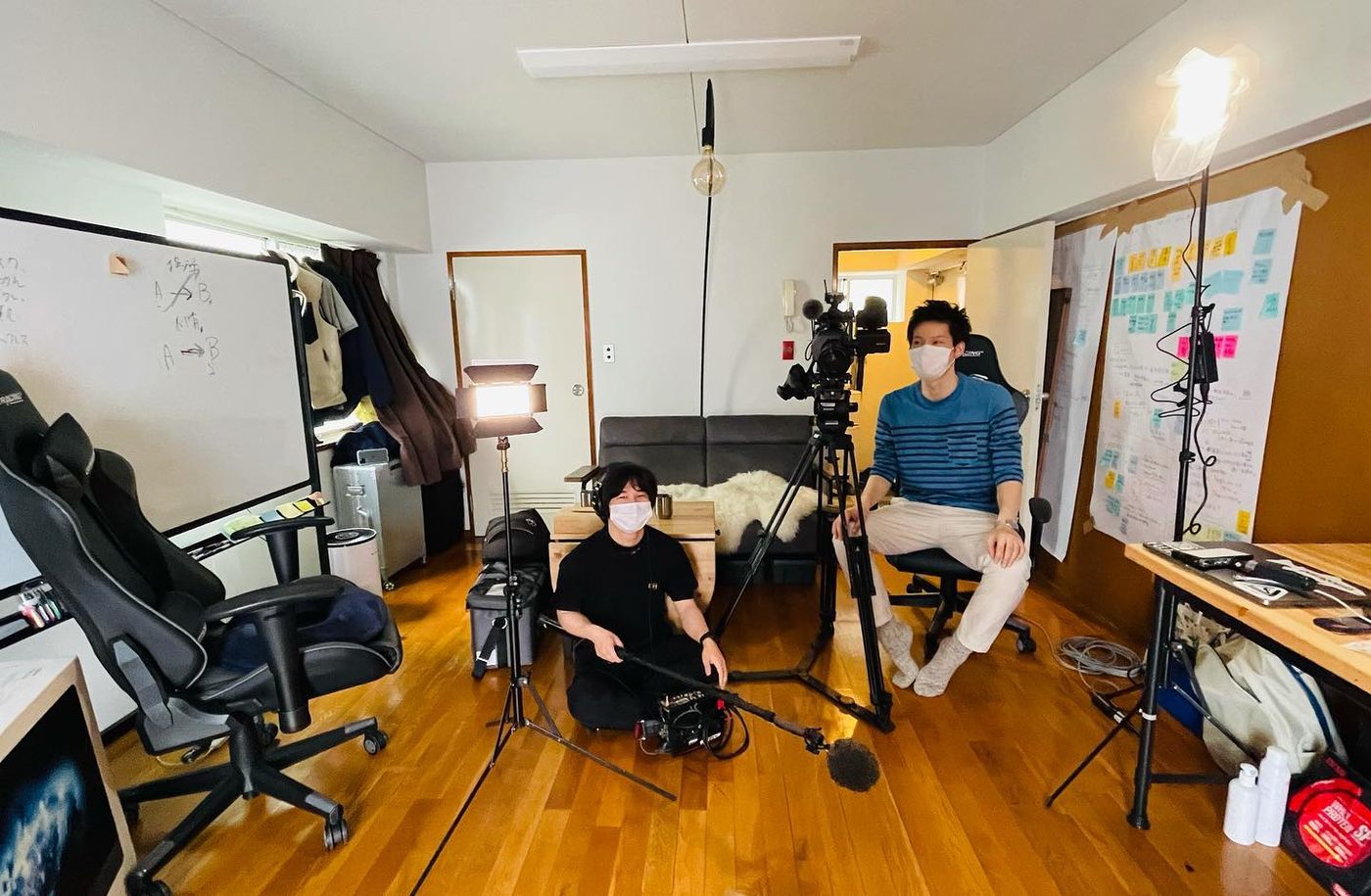
When people talk about production, the first thing that usually comes up is the budget. But the value of giving someone's life a turning point through a film, or of saving someone's life, cannot be measured. A life cannot be exchanged for money.
Films that are not simply consumed, films only I can deliver:
I will make them with everything I have.
Watch “Thank You for Being Alive” (Instagram)
To schools, and across Japan
The finished film was put on DVD and sent to elementary and junior high schools. It was featured on NHK's “Hot News Hokkaido,” and later broadcast nationwide. I was interviewed as the director. About my upbringing. Meeting film in high school. The church. And that this film was my first work as a journalist. As I talked, gratitude overflowed, and I cried two or three times.
Leave no one behind
The message the SDGs most want to share is not only about visible environmental issues. It is to “leave no one behind.” People in hardship, people who cannot raise their voices. May light reach even the invisible pain inside people, too.
If you are struggling right now
Please don't carry it alone. Try talking to someone. The Ministry of Health, Labour and Welfare's page lists helplines you can reach by phone or social media (in Japanese).
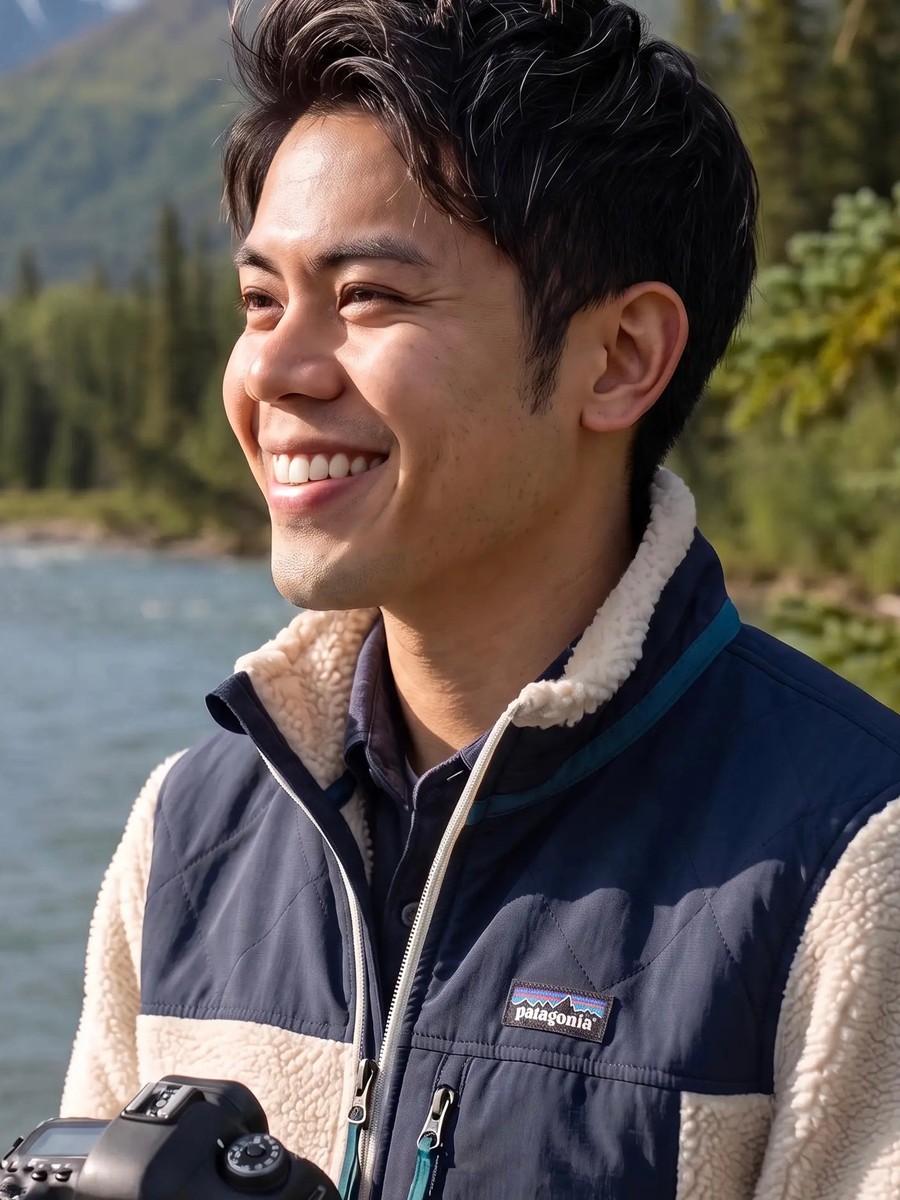
Narita Jun
Filmmaker and video journalist, born in Nagoya in 1993. As staff of an international NGO, he works in disaster response and humanitarian aid while making documentaries about people, wildlife and the earth. Green Film Festival 2024 Grand Prize.
Sources: for the number of student suicides, Ministry of Health, Labour and Welfare / National Police Agency, “Suicide in 2020” (Japanese); for September 1, the White Paper on Suicide Prevention (Japanese)
This article is based on Instagram posts from February to September 2021 (1 · 2 · 3), rewritten as an article.