
Field record
- Where
- An uninhabited island beach in the Seto Inland Sea, Ehime
- When
- June 2019
- Interviewed
- Koji Iwata, representative director of E.C Oceans
- Themes
- Ocean litter, microplastics, marine ecosystems
Key points
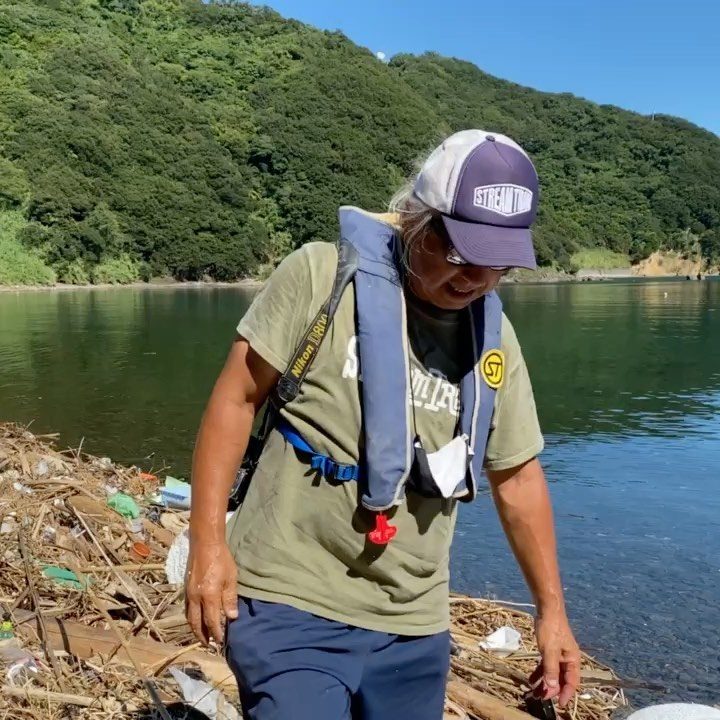
- In June 2019, in the Seto Inland Sea off Ehime, I reported with Koji Iwata of E.C Oceans, who since 2016 has kept collecting trash from uninhabited islands and beaches reachable only by boat.
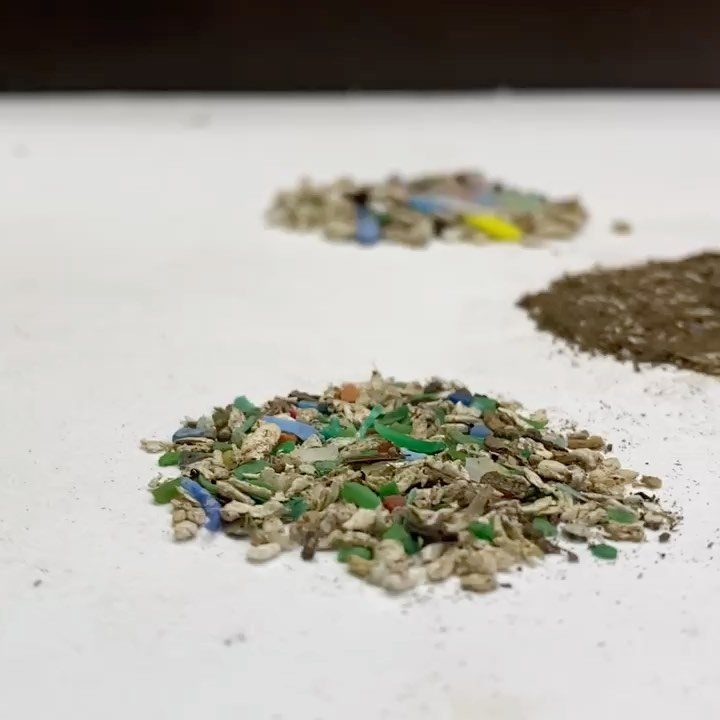
- We sifted microplastics out of the beach sand with our own hands. Small colorful particles were mixed in so thoroughly you could hardly tell them from the sand.
- “Trash someone throws away, someone else picks up.” This reporting became the start of my work on the Fujimae Tidal Flat and ocean conservation across Japan.
First published 2021.04.23 (Instagram) / Updated
The Seto Inland Sea is a calm inland sea surrounded by Honshu, Shikoku and Kyushu. An invisible threat is now spreading through this beautiful sea dotted with countless islands: plastic broken into tiny pieces, microplastics. Reporting on this theme, which I came across in the Seto Inland Sea off Ehime in June 2019, was where it all began for me.
Trash washes up on beaches reachable only by boat
I reported with Koji Iwata of E.C Oceans, based in Ehime. Since 2016, he has been approaching uninhabited islands and beaches unreachable by land by boat, and collecting the trash that washes up. The fewer people go somewhere, the more trash piles up.
Sifting microplastics with my own hands
Besides picking up trash, we were allowed to sift the fine plastic out of the sand with our own hands. Small colorful particles were mixed in so thoroughly you could hardly tell them from the sand. Fish and sea animals would die from this, I thought, and the effect on us humans would be immeasurable.
Trash someone throws away, someone else picks up
Plastic waste and household trash, thrown away without a thought. What we must not forget is that trash someone throws away, someone else picks up. Even a half-finished plastic bottle, left for who knows how long, has to be emptied and disposed of by someone. Each piece makes its way, in the end, to the sea. Tossed by the waves, it breaks apart, and eventually gets inside the bodies of living creatures.
Trash someone throws away, someone else picks up.
I wanted to show that simple truth on film.
As spring water becomes a river
This theme later led to my reporting on the migratory birds of the Fujimae Tidal Flat and ocean conservation across Japan. One small piece of reporting became the source of my journey, just as water from a spring eventually becomes a great river.
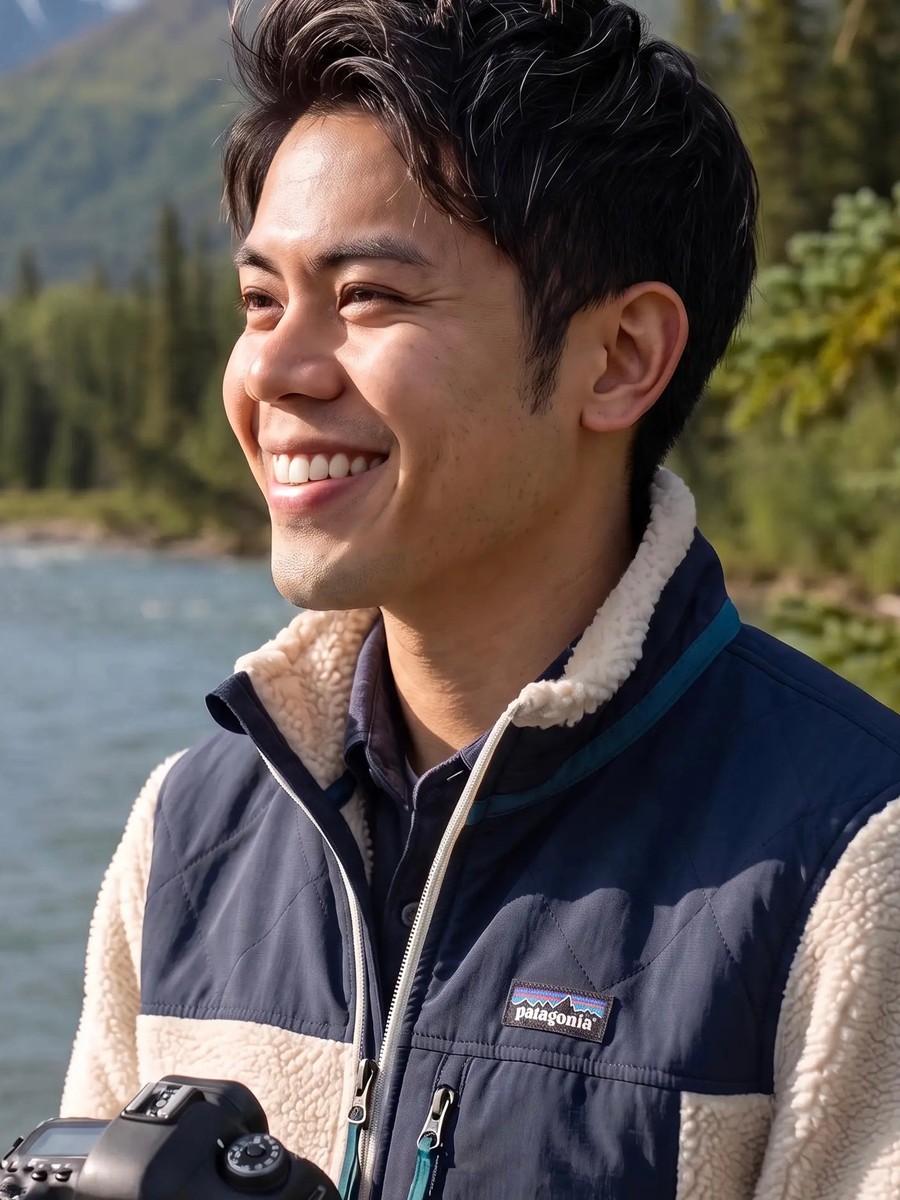
Narita Jun
Filmmaker and video journalist, born in Nagoya in 1993. As staff of an international NGO, he works in disaster response and humanitarian aid while making documentaries about people, wildlife and the earth. Green Film Festival 2024 Grand Prize.
References: E.C Oceans (Japanese), Nikkei, “Koji Iwata, picking up plastic on uninhabited islands in the Seto Inland Sea” (Japanese)
This article is based on Instagram posts from April 23, 2021 (Earth Day) and September 8, 2022 (1 · 2).