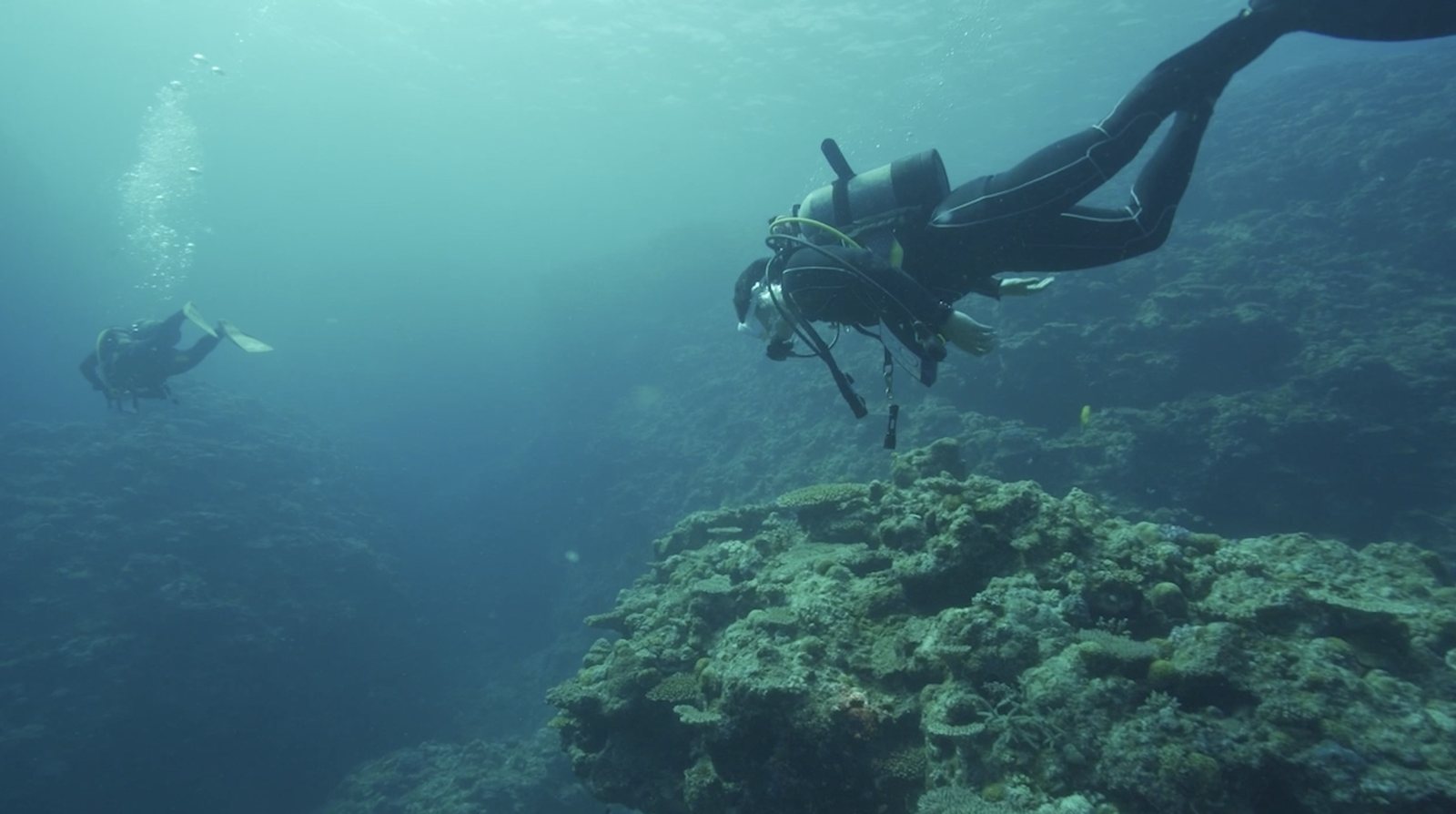
Field record
- Where
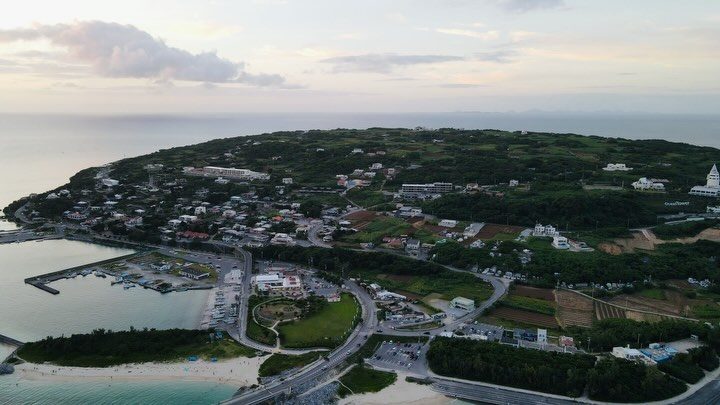
- Okinawa Island and other islands
- When
- Every year since 2020 (reported on coral bleaching in 2021)
- Themes
- Coral bleaching, ocean conservation
- What I made
- Ocean conservation films, and VR filming (2021)
Key points
- Coral bleaching happens when high sea temperatures persist and corals lose the zooxanthellae living inside them, so their white skeletons show through. If it lasts long, they cannot get nutrients and die.
- According to a Ministry of the Environment survey, in September 2024 the average bleaching rate at Sekisei Lagoon, Japan's largest coral reef, reached 84.0 percent.
- I reported on coral bleaching in 2021, and have returned to Okinawa every year since to record the sea.
First published 2024.10.16 (Instagram) / Updated
Surrounded by subtropical seas, Okinawa is a treasure house of rich ecosystems built by colorful coral reefs. But in recent years, a change called bleaching has been spreading through that sea.
What is coral bleaching, and why does it happen?
Corals host tiny algae called zooxanthellae inside their bodies and live on the nutrients from their photosynthesis. When high sea temperatures persist, corals lose these algae, and their white skeletons show through. This is bleaching. Bleached corals do not die right away, but if high temperatures continue for long, they cannot get nutrients and die.
According to a Ministry of the Environment survey, in September 2024 the average bleaching rate at Sekisei Lagoon in Yaeyama, Japan's largest coral reef, reached 84.0 percent. Summer water temperatures above 30°C usually last until early September; that they continued until late September is thought to be one of the causes. By December, the bleaching rate had fallen back to 65.5 percent. But more corals had died from bleaching, and the share of the seabed covered by living coral fell to 13.7 percent.
In 2021, I reported on bleaching
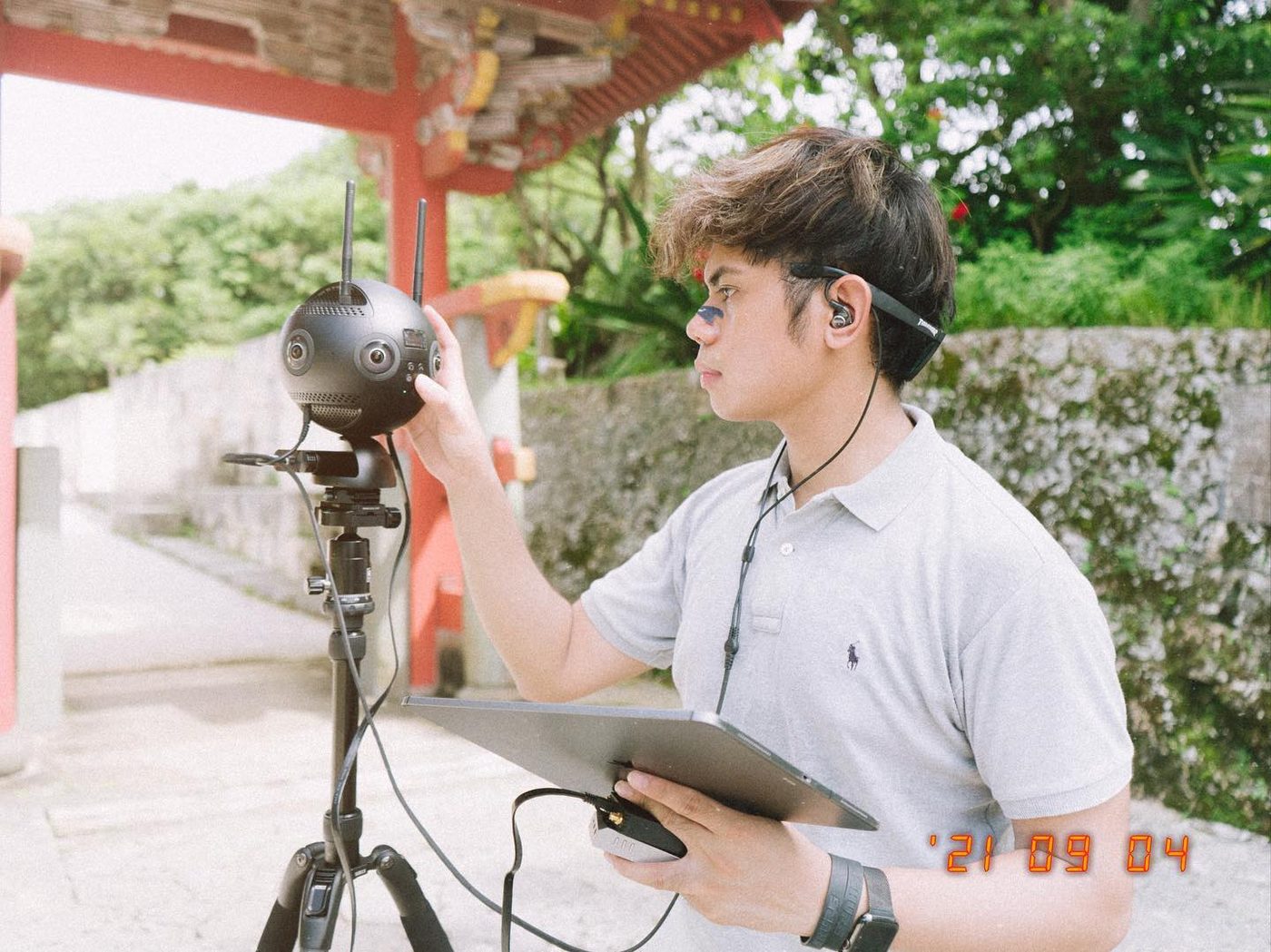
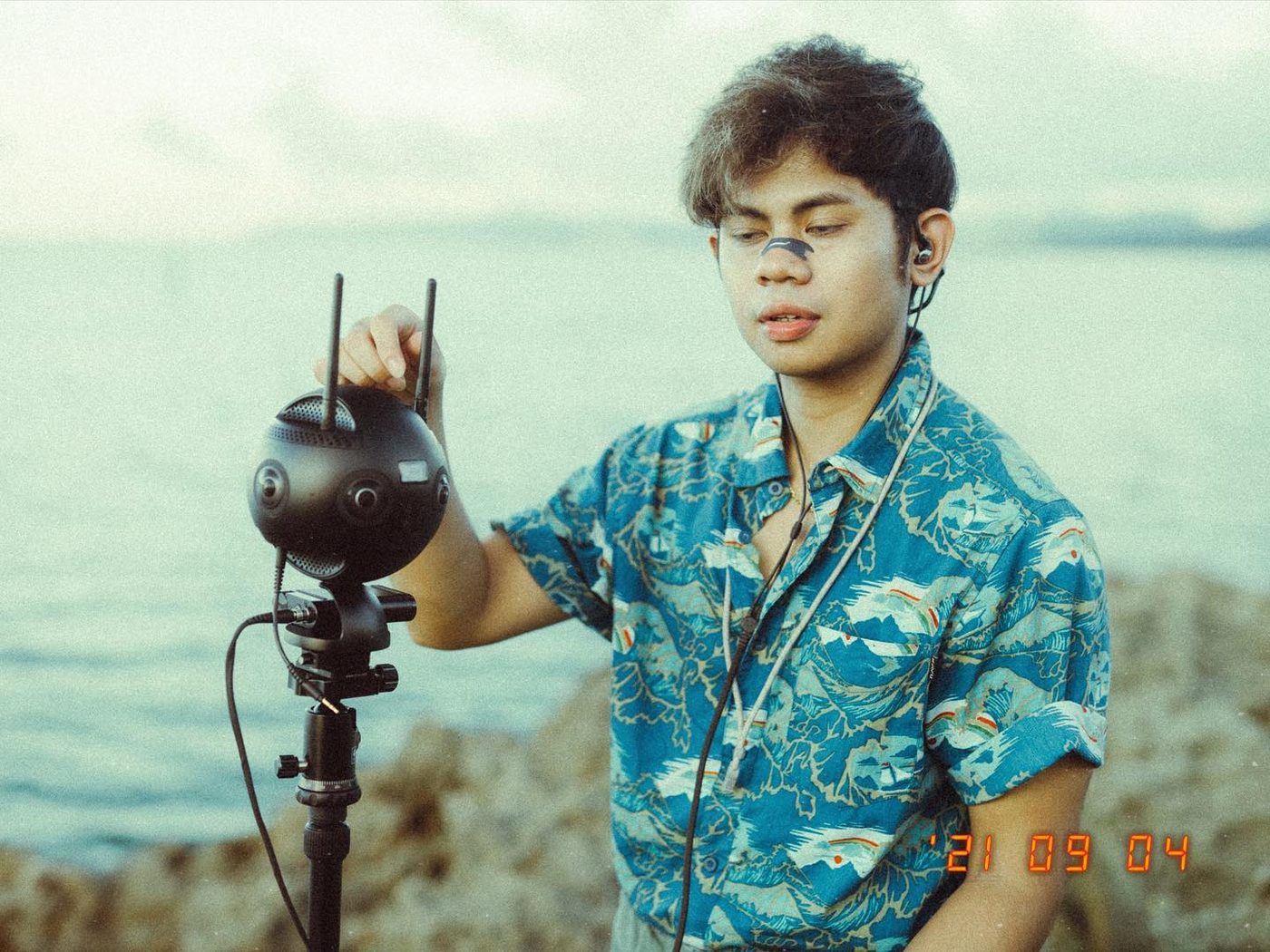
I first visited Okinawa in 2020, just before the pandemic began. In 2021, I reported on coral reef bleaching, and I have come back every year since for one shoot or another. In the autumn of 2021, I brought a 360-degree VR camera and filmed the sea and the towns. A film you can experience might go beyond knowledge and difficult words. It might become a way for someone to feel it as their own issue.
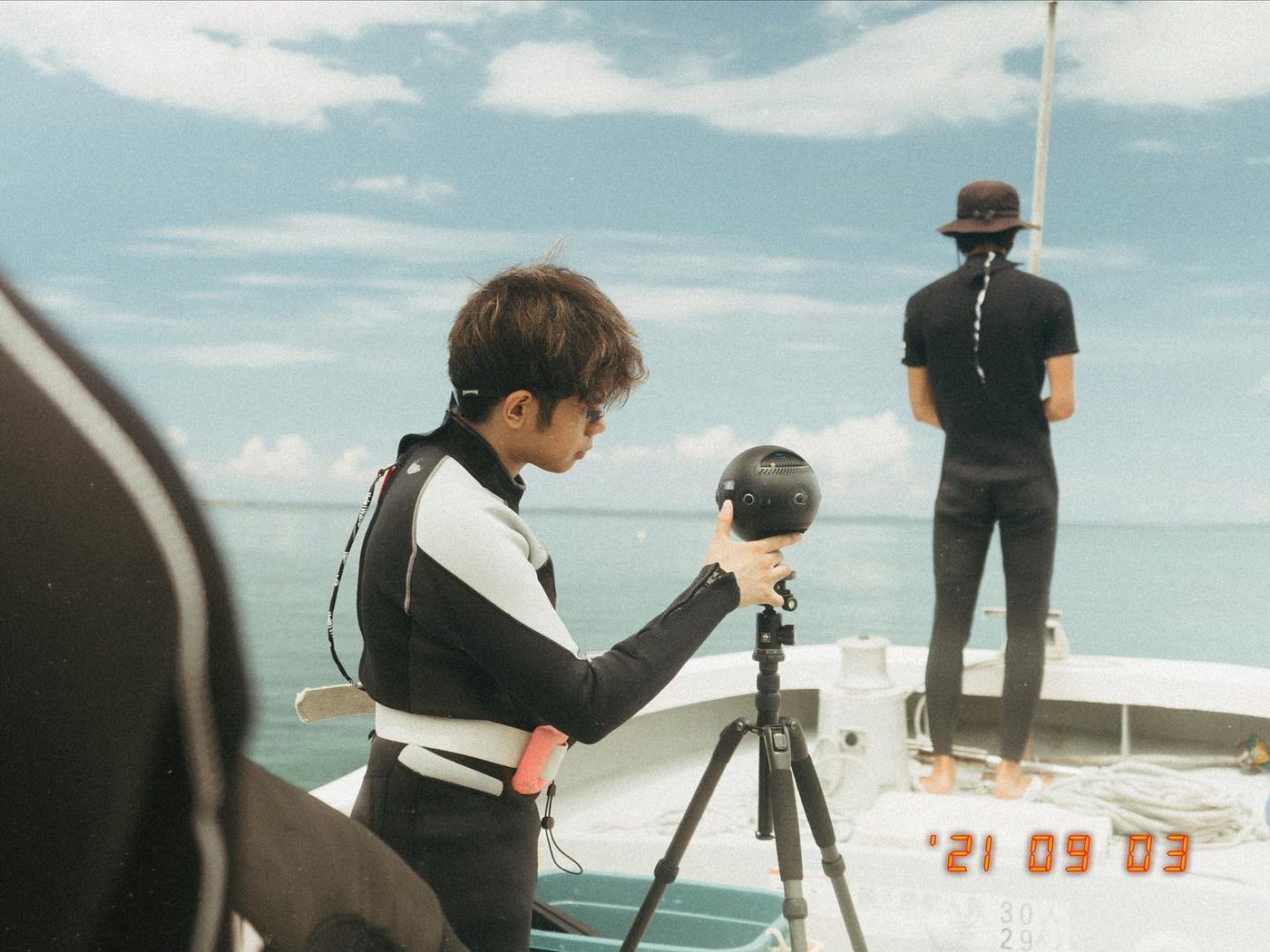
Coral is a cradle for many fish and other creatures. If that foundation is lost, the cycle of life in the whole sea begins to falter. Bleaching coral reefs tell us that the sea is crying out right now.
A place that seems to change, yet stays the same
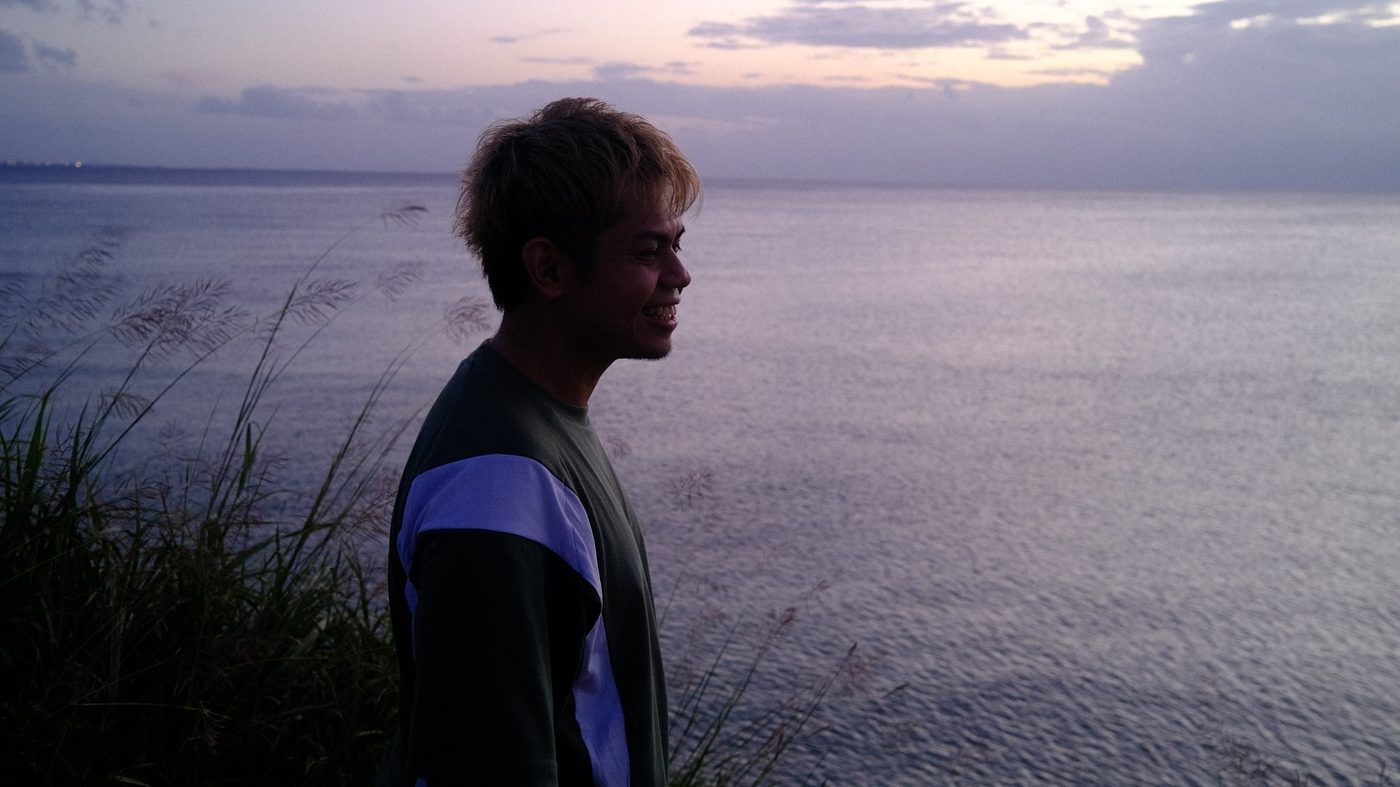
The color of the sea, the food, the smells, the music. Every time this island embraces me, old memories come and go like waves. That time I watched the sunset here with friends. That time they held me up when I was about to pass out from drinking. My own surroundings and circumstances have changed a lot, but this place seems to change, and yet stays the same.
It seems to change, yet stays the same.
I want to record those moments that feel almost eternal, and keep them.
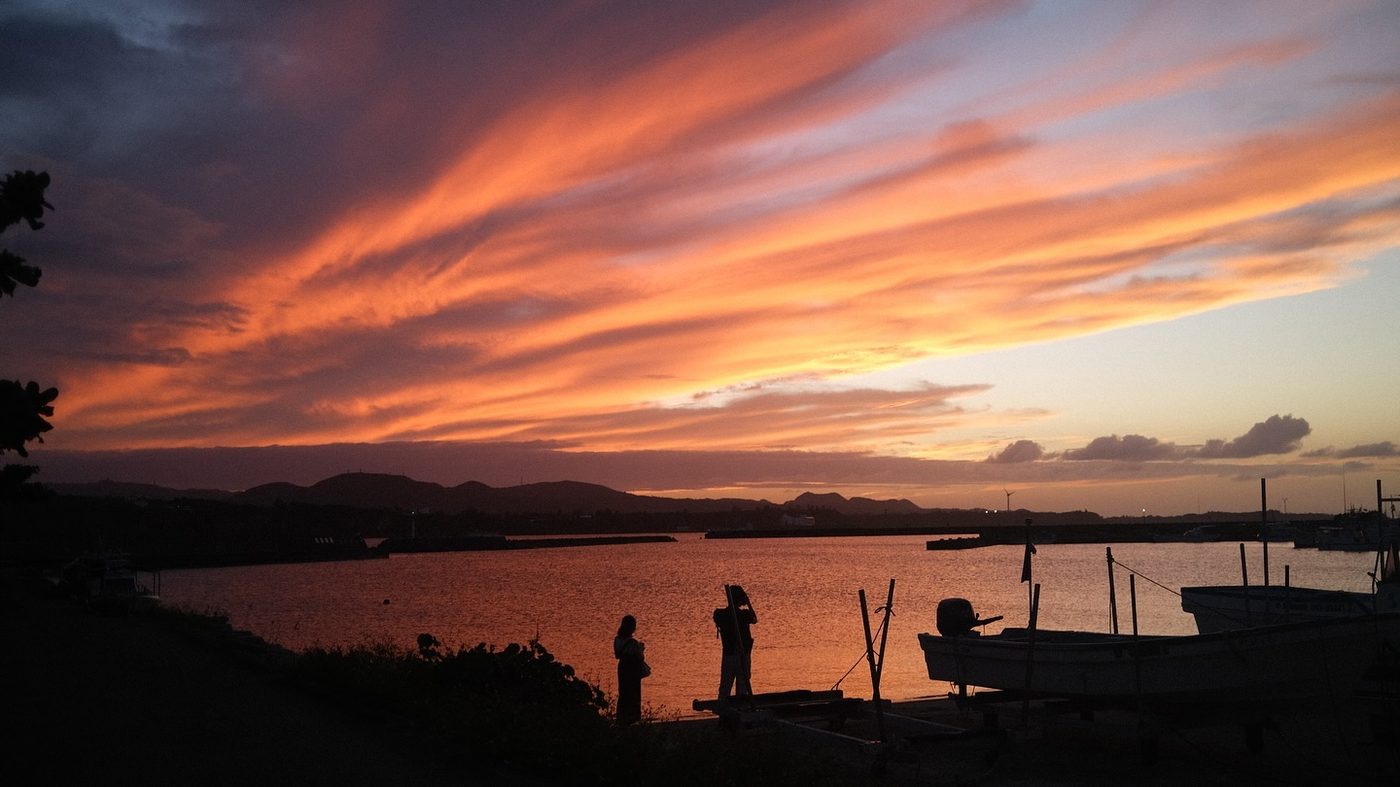
When I leave from the airport, or land there again, I find myself wondering. Did that old man land here when he was young? That couple must be visiting Okinawa for the first time.
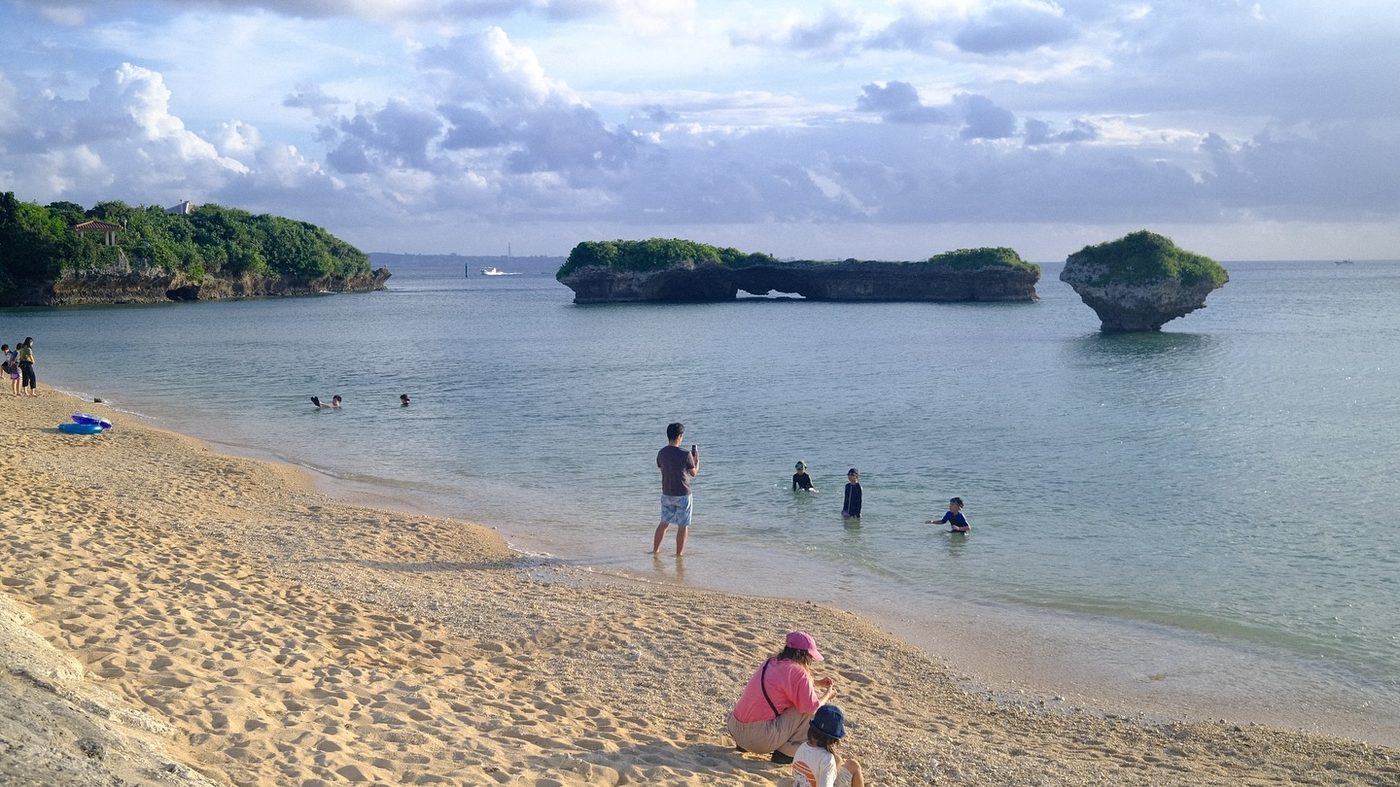
May this beautiful place be protected, sustainably, into the future. May our work become a chance for someone to think about how precious nature is.
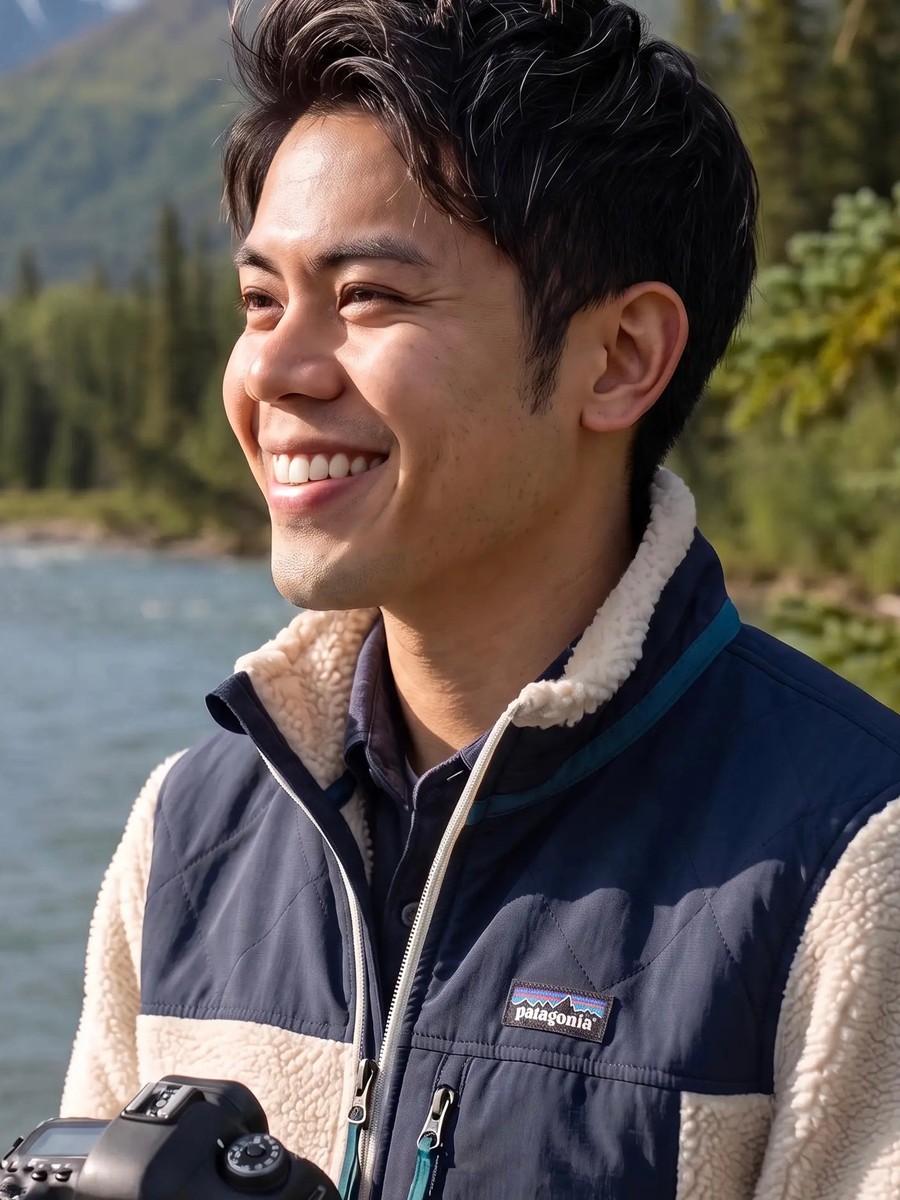
Narita Jun
Filmmaker and video journalist, born in Nagoya in 1993. As staff of an international NGO, he works in disaster response and humanitarian aid while making documentaries about people, wildlife and the earth. Green Film Festival 2024 Grand Prize.