
Field record
- Where
- The Fujimae Tidal Flat at the mouths of the Shonai and other rivers, Nagoya, Aichi
- When
- Summer 2022 to spring 2024 (reporting and production); screenings from 2024
- With
- The Society to Protect the Fujimae Tidal Flat, Patagonia Nagoya
- What I made
- The documentary “Small Lives, a Big Future.” (shown at screenings)
Key points
- The Fujimae Tidal Flat spreads across the mouths of the Shonai and other rivers in Nagoya. It was once planned as a garbage landfill.
- Citizens stood up, and in 1999 the City of Nagoya withdrew the plan. On November 18, 2002, 323 hectares were designated a Ramsar wetland.
- With an environmental grant from Patagonia, I reported for about a year and a half and made the documentary “Small Lives, a Big Future.” It has been shown at screenings since April 2024.
First published 2024.04.28 (Instagram) / Updated
The Fujimae Tidal Flat, spreading across the mouths of the Shonai and other rivers in western Nagoya, was once planned as a garbage landfill. Citizens who stood up “for the future of our children and grandchildren” overturned that plan and saved it. Today the Fujimae Tidal Flat is a Ramsar wetland, protected as a paradise for wildlife where migratory birds rest their wings.
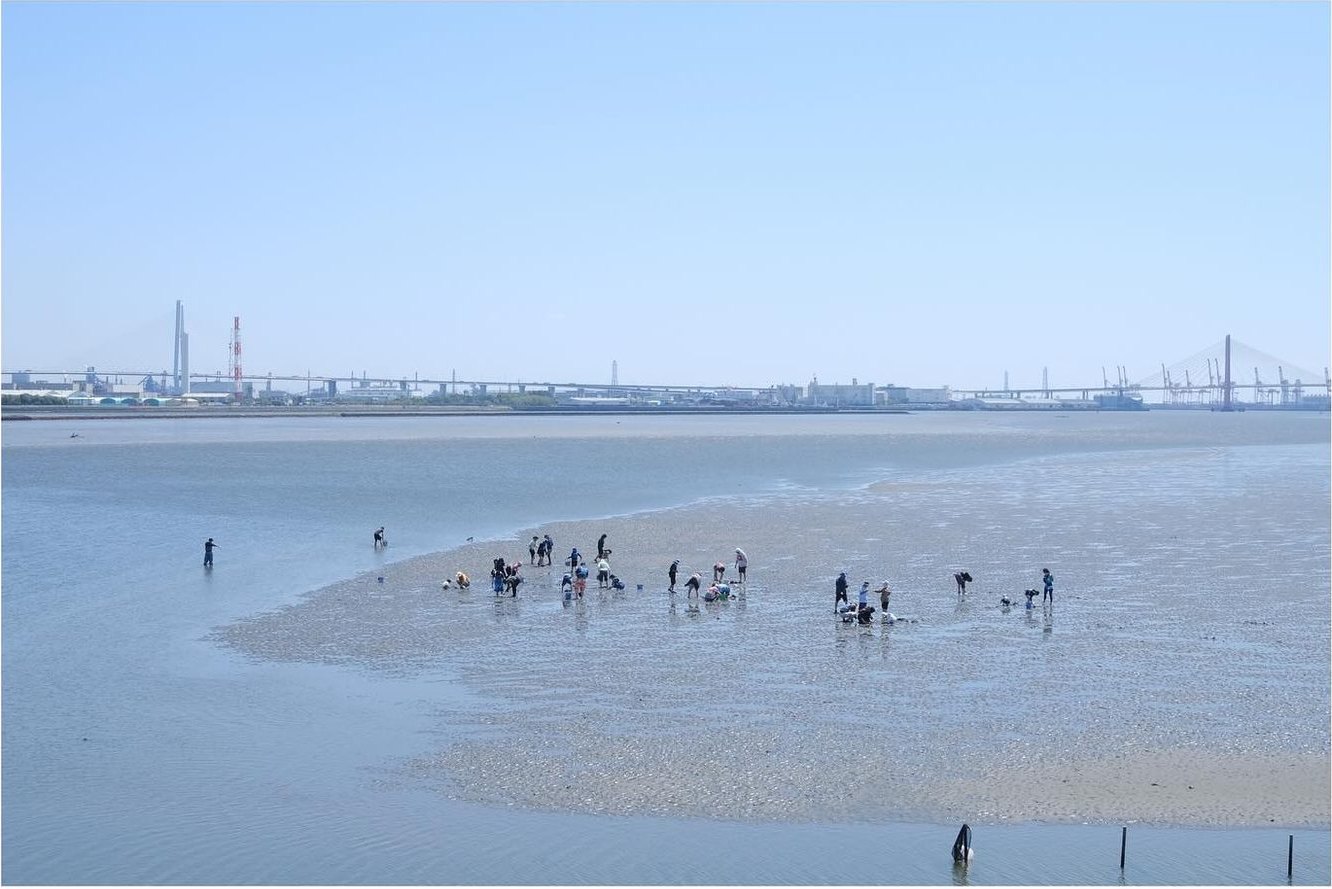
What is the Fujimae Tidal Flat?
The City of Nagoya once moved ahead with a plan to fill in this tidal flat as a disposal site for its rapidly growing garbage. Citizens stood up against it, and it became a major social issue. In 1999, the city withdrew the plan. On November 18, 2002, the Fujimae Tidal Flat was designated a 323-hectare Ramsar wetland. Giving up the plan also became a major turning point for reducing waste in Nagoya.
With the industrial development that began in the late 1950s, tidal flats across Japan were filled in at a frightening scale and speed. For migratory birds that had lost their places to go, the miraculously surviving Fujimae Tidal Flat became one of Japan's leading stopover sites. Migratory birds arriving after journeys of thousands of kilometers. The world of a tidal flat, where unseen bottom-dwelling creatures purify the water and become a source of nourishment for the sea.
“Would you make a film about the Fujimae Tidal Flat?”
In 2022, I was asked exactly that. The Fujimae Tidal Flat? I remembered learning about it in a junior high school textbook, and something about the Ramsar Convention. That was all I knew back then. It started at Patagonia Nagoya, where I had gone to buy clothes for reporting. A staff member there happened to have seen the NHK feature about me on TV. That little miracle led me here.
With an environmental grant from Patagonia, over about a year and a half, I turned the story of this tidal flat and the people who have kept protecting it into the documentary “Small Lives, a Big Future.”
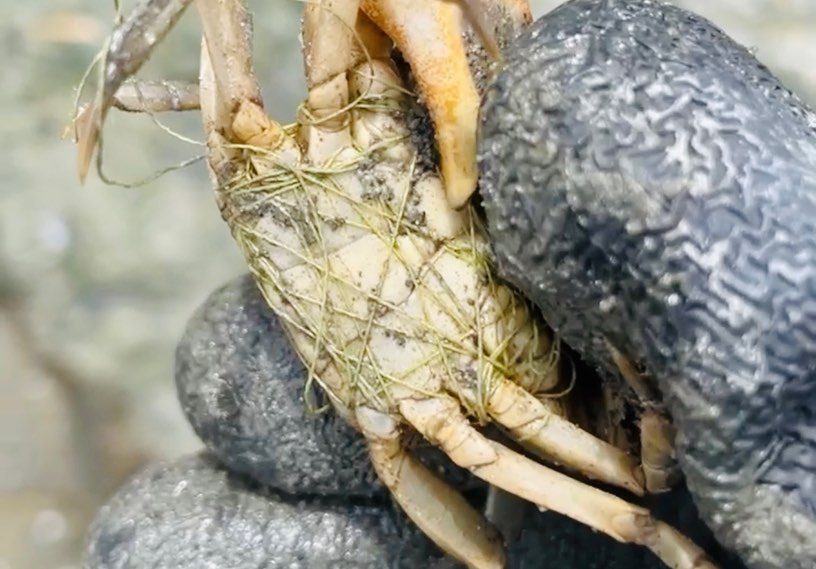
A single crab, tangled in fishing line
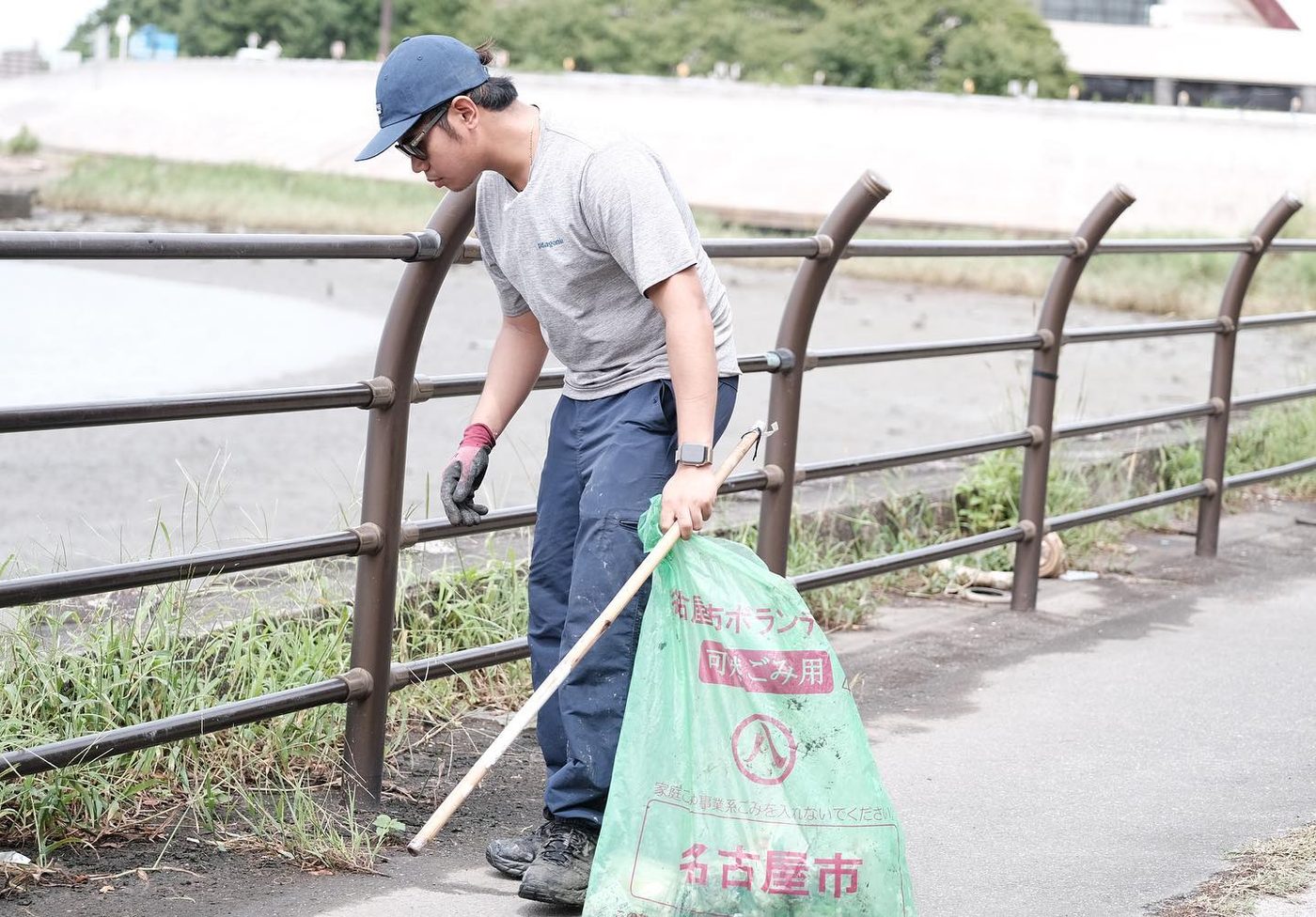
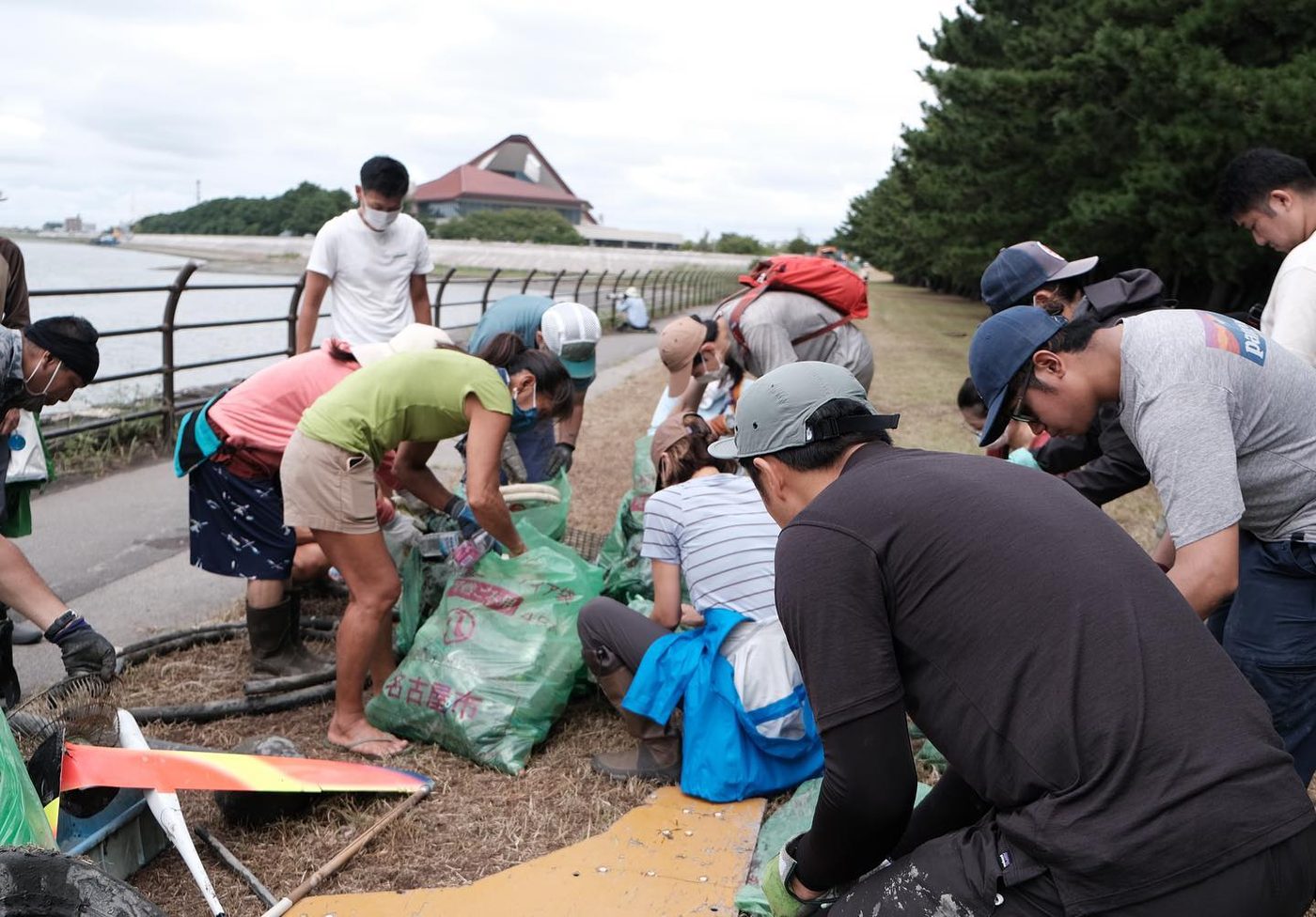
Between shoots, I also joined clean-ups of the tidal flat, together with Patagonia Nagoya and the Society to Protect the Fujimae Tidal Flat. An hour of intensive clean-up on a 36-degree day. Litter thrown away without a thought had made its way, in the end, to this rich tidal flat. There was a crab so tangled in fishing line it could not move. In these 20 years, how many creatures have lost their lives for reasons that were not their fault?
To make something that will not be consumed by its time,
and will not fade as time passes.
Why screenings, rather than a public release?
Why did I choose screenings instead of releasing the film publicly? Because I wanted it to reach the people it should reach. In an age of endless information, it has to be found by people pushing through, and pushing through, countless films.
The first screening was in April 2024, at the Fujimae Tidal Flat Activity Center. Even after nearly a year and a half of reporting and production, there was not nearly enough time. The members of the Society were happy with it, but I knew it could be better, easier to watch. For the first time in my life, I cried out of sheer frustration.

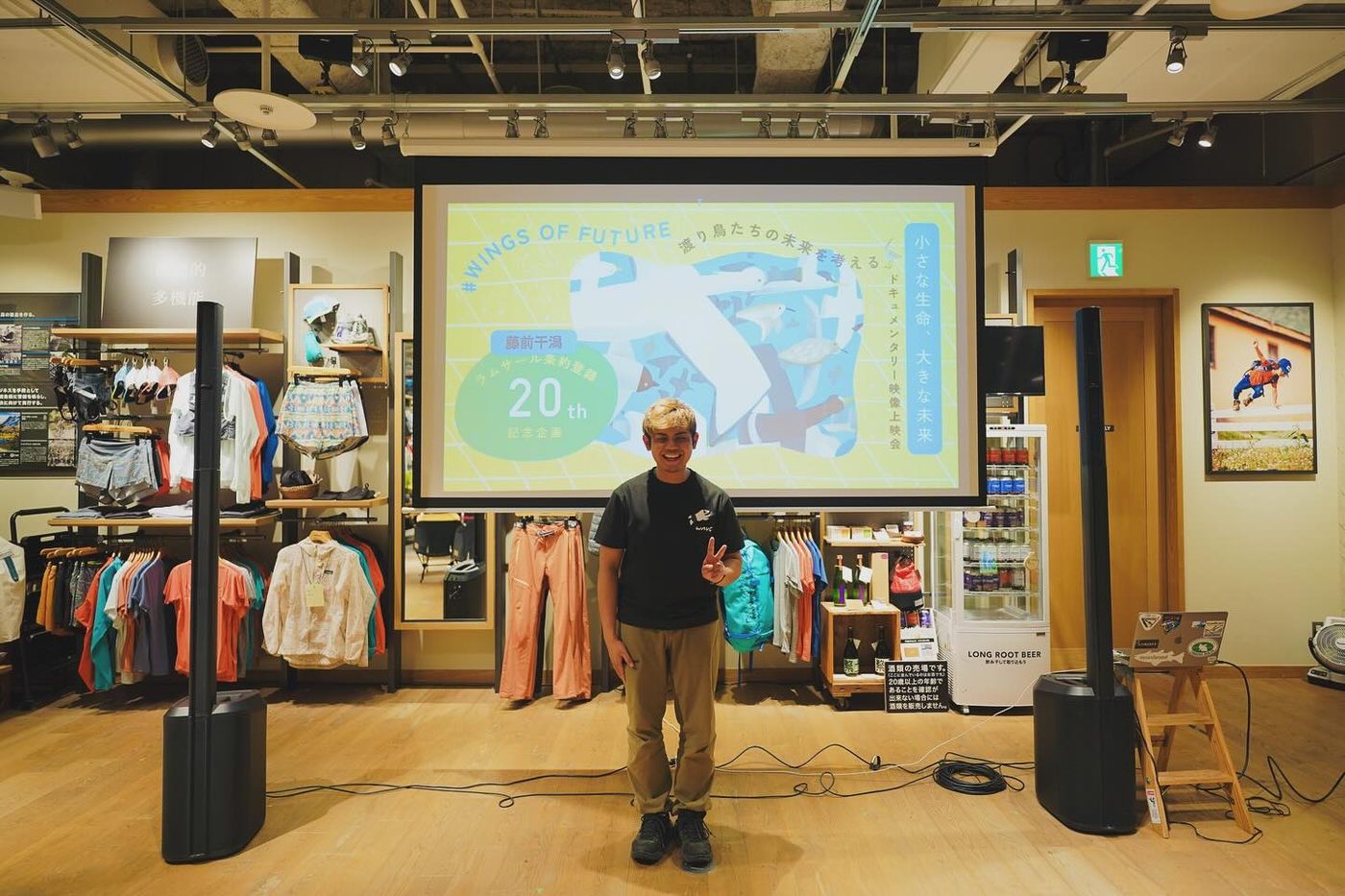
At Patagonia Nagoya, both the daytime and evening screenings were full. That was thanks to everyone who came. Since then, the film has continued to be shown at ethical events, the Fujimae Tidal Flat Creatures Festival and elsewhere.
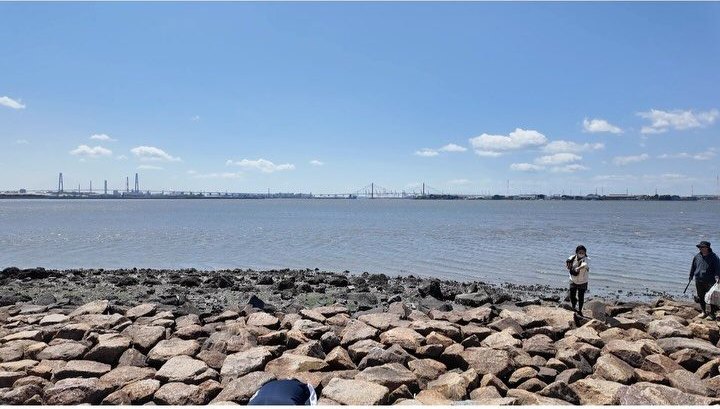
Amid all the talk about environmental issues, what is the essence of taking action? I hope you can touch the mystery of life in the migratory birds and the creatures of the mud.
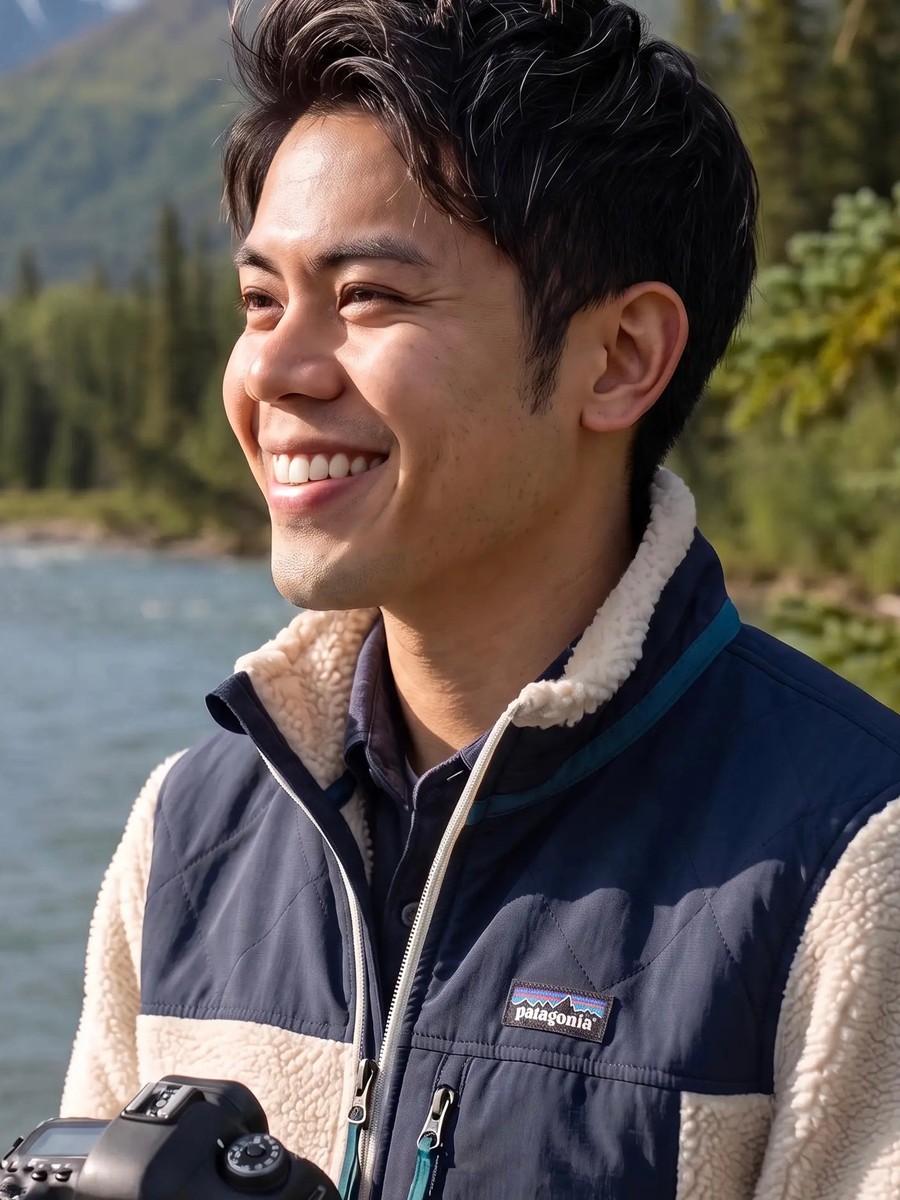
Narita Jun
Filmmaker and video journalist, born in Nagoya in 1993. As staff of an international NGO, he works in disaster response and humanitarian aid while making documentaries about people, wildlife and the earth. Green Film Festival 2024 Grand Prize.
Sources: Ministry of the Environment, “Ramsar sites in Japan” (Japanese), City of Nagoya, “Conservation and use of the Fujimae Tidal Flat” (Japanese)
This article is based on Instagram posts from 2022 to 2025 (1 · 2 · 3 · 4).