
Field record
- Where
- Shimizu Ward, Shizuoka City (Ejiri-cho, and the mountain area of Ryogochi)
- When
- From September 28, 2022 (five days after the disaster)
- What
- Flooding of the Tomoe River from Typhoon No. 15's heavy rain, and landslide damage in the mountains
- With
- An environmental activist from Shizuoka, a local volunteer leader, and university students
Key points
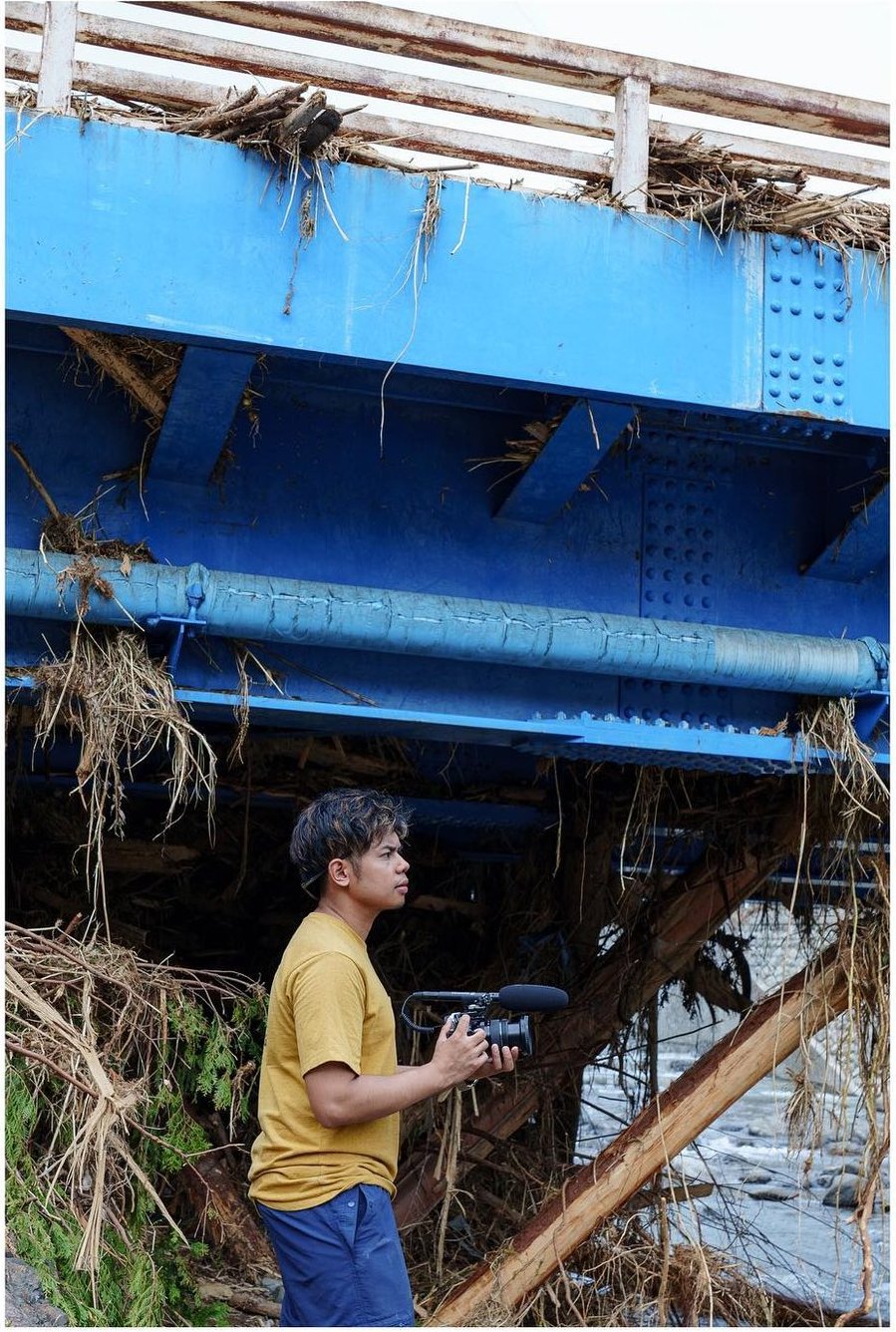
- On September 23–24, 2022, record rainfall from Typhoon No. 15 made the Tomoe and other rivers in Shimizu, Shizuoka, overflow. Nearly 5,000 buildings were flooded, and more than 60,000 households lost water.
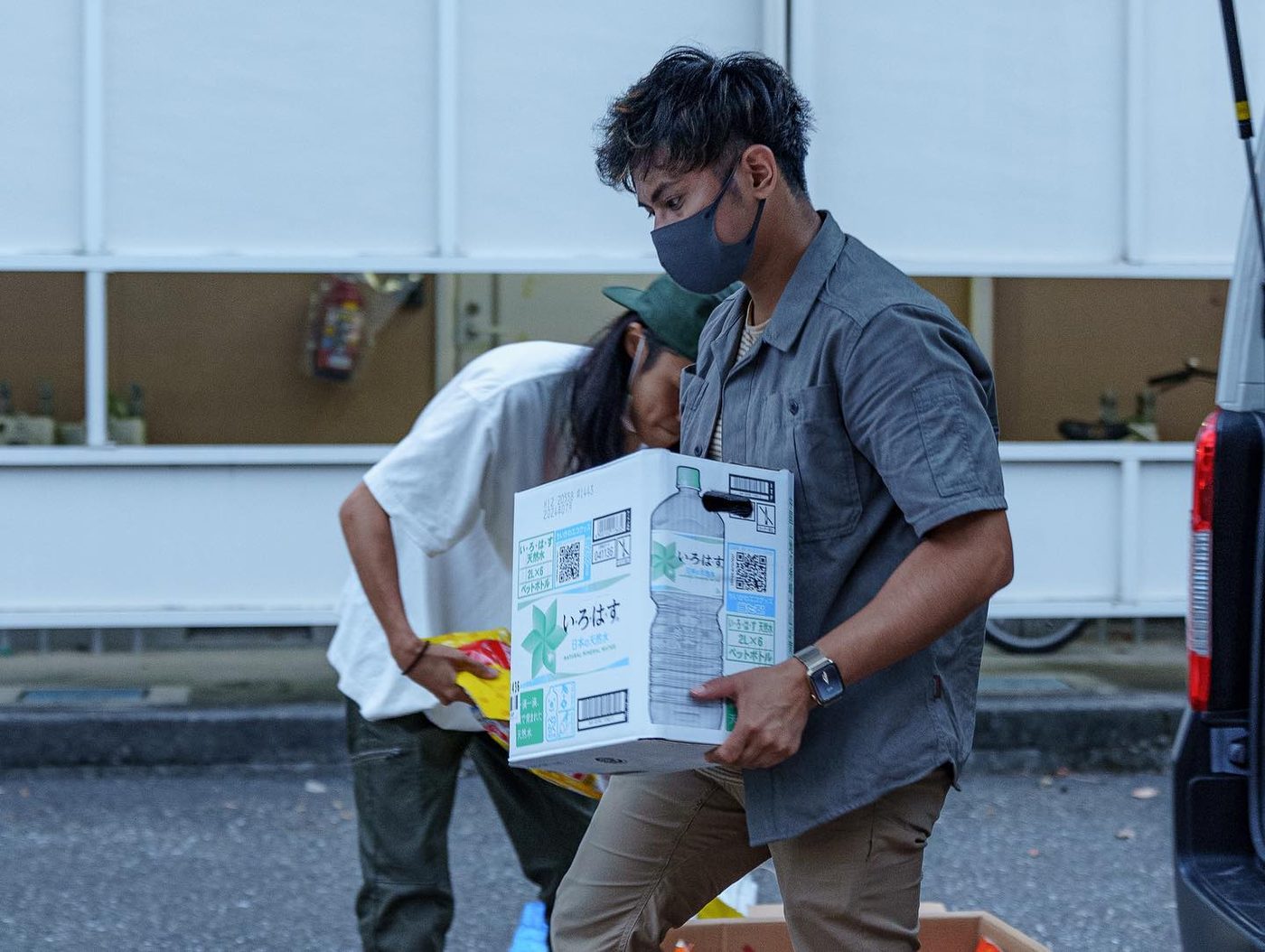
- Five days after the disaster, I went there and reported while delivering relief supplies with friends, mainly to the mountain area of Ryogochi.
- Older people angry at TV and the government, and a younger generation who searched for information themselves and rushed to help. Each generation saw the media and the government differently.
First published 2022.10.01 (Instagram) / Updated
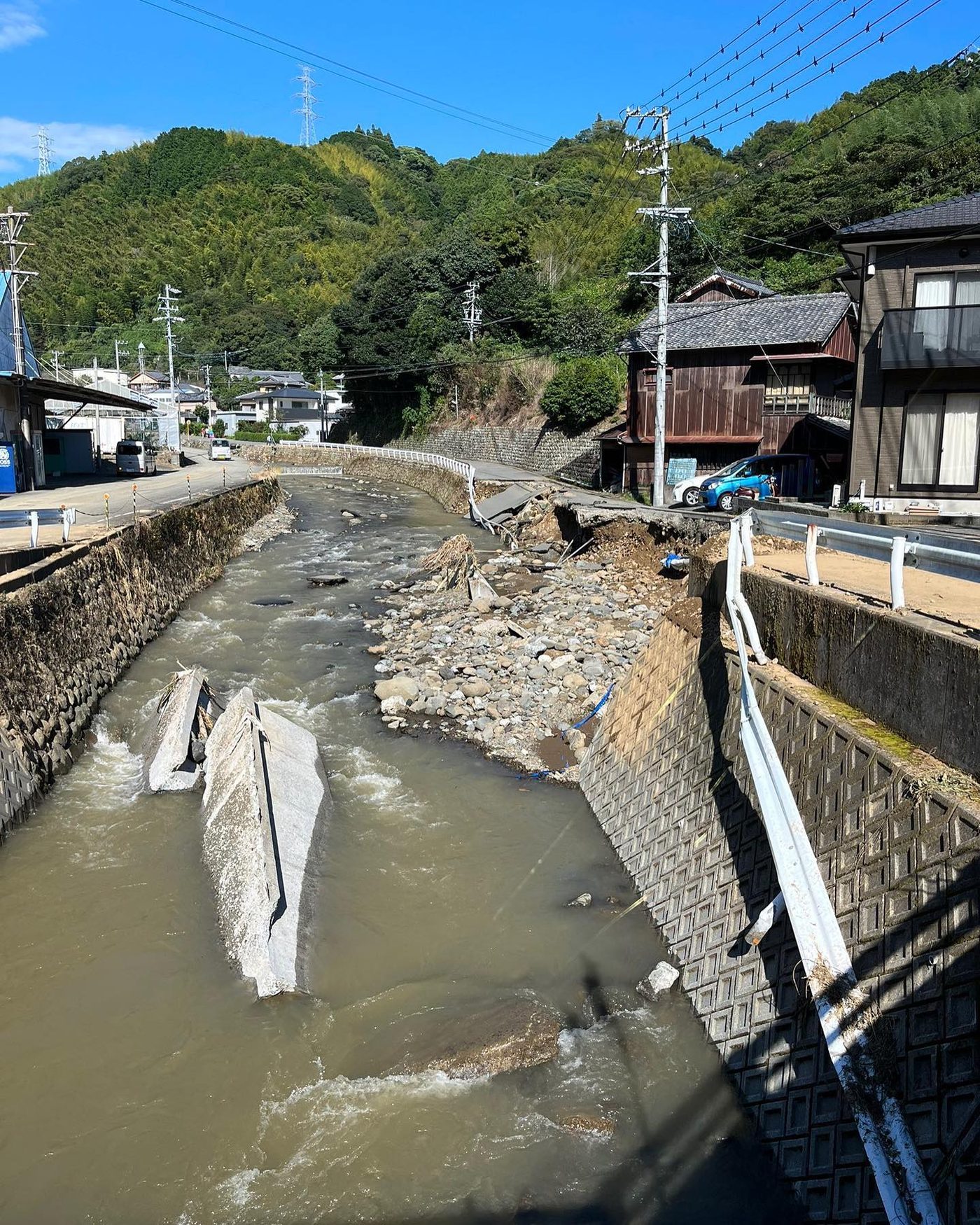
Shimizu, in Shizuoka City, is a port town facing Suruga Bay. On September 23–24, 2022, Typhoon No. 15 brought record rainfall. Shizuoka recorded 404.5 mm in 12 hours, the most ever observed. The Tomoe River and its tributaries, which run through the city, overflowed, and nearly 5,000 buildings were flooded. A river water intake was blocked by mud and debris, and more than 60,000 households in Shimizu lost water.
“I have to go now”
September 27, four days after the disaster. I was on a business trip in Nagasaki and learned about the damage in Shizuoka on social media. My instinct said, “I have to go now.” I contacted a friend, an environmental activist living in Shizuoka, gathered information on the bullet train home, and arranged to report.
But people in the middle of a disaster have no time to deal with requests like that. On social media, photos from past earthquakes and fake information made with AI image generators were mixed in. It was very hard to tell them apart. Because government works through layers of approval as an organization, its first response is inevitably slow. I felt there was a role for an independent reporter, to deliver reliable firsthand information from the ground.
By the time I reached Nagoya, a local volunteer leader had sent a list of the supplies needed. Where to report and where to deliver supplies had already been decided. Friends gathered supplies, donations and people from all over Japan, others worked on the ground, and I became the one reporting from the site.
One street back, the roads were covered in mud
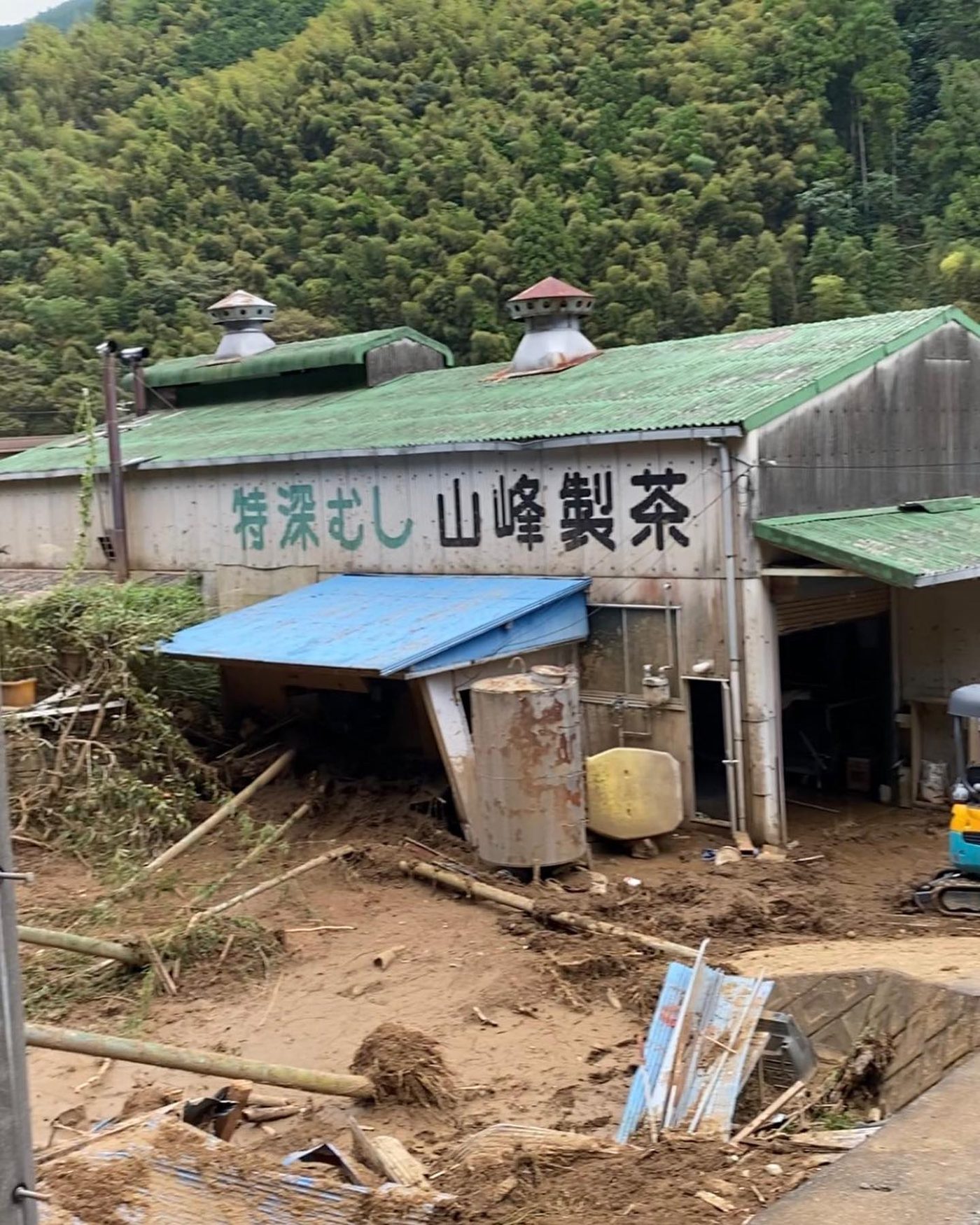
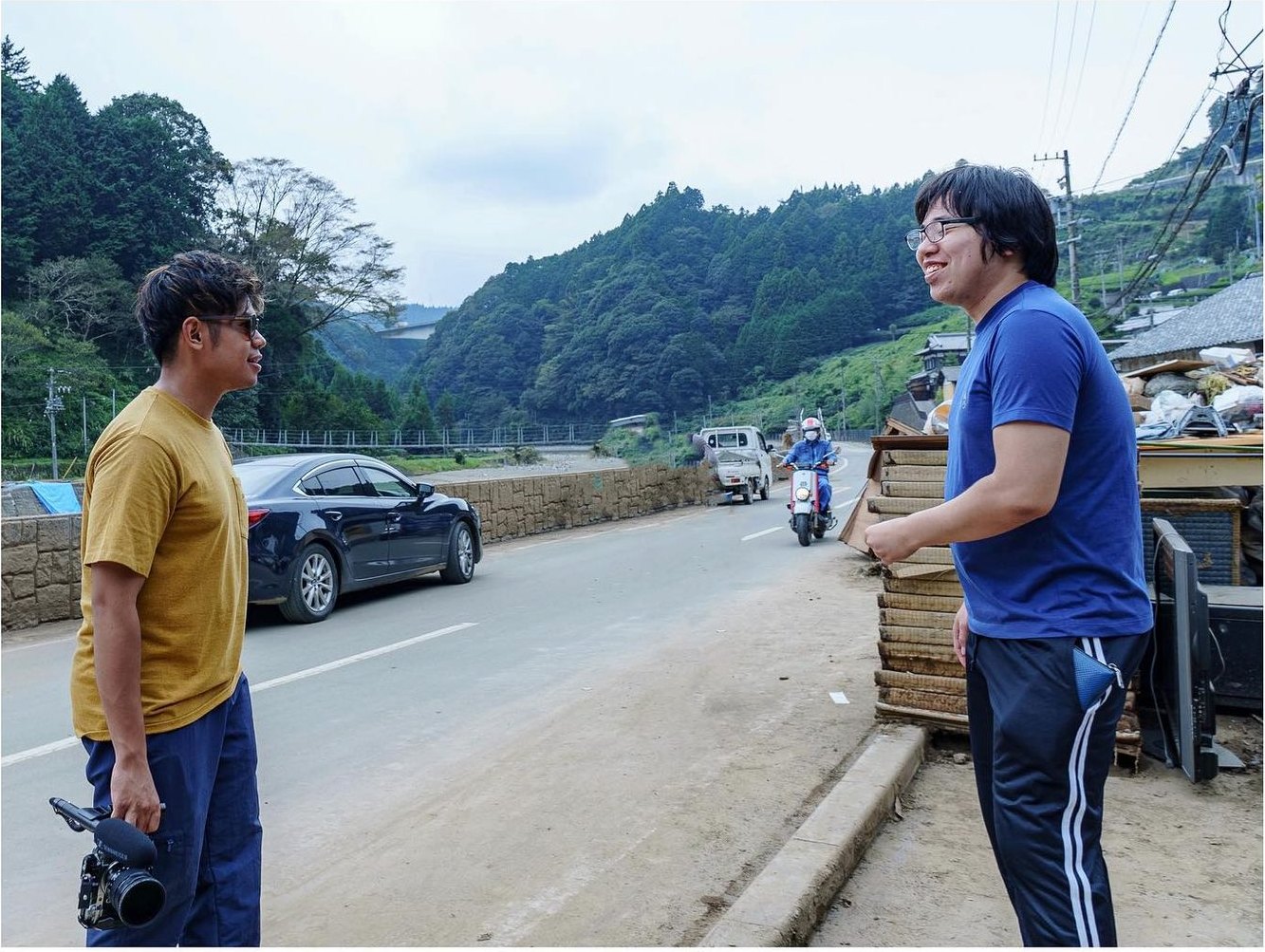
We formed a team, delivering relief supplies mainly to the mountain areas and sharing information from the site. Thanks to the residents' efforts, the town center had recovered so much that at first glance you would hardly know there had been a disaster. But one street back, the roads were covered in mud, and dried mud turned to dust that stung our eyes. In Ejiri-cho, next to the Tomoe River, piles of household belongings lined the streets. Behind each one, there was a family.
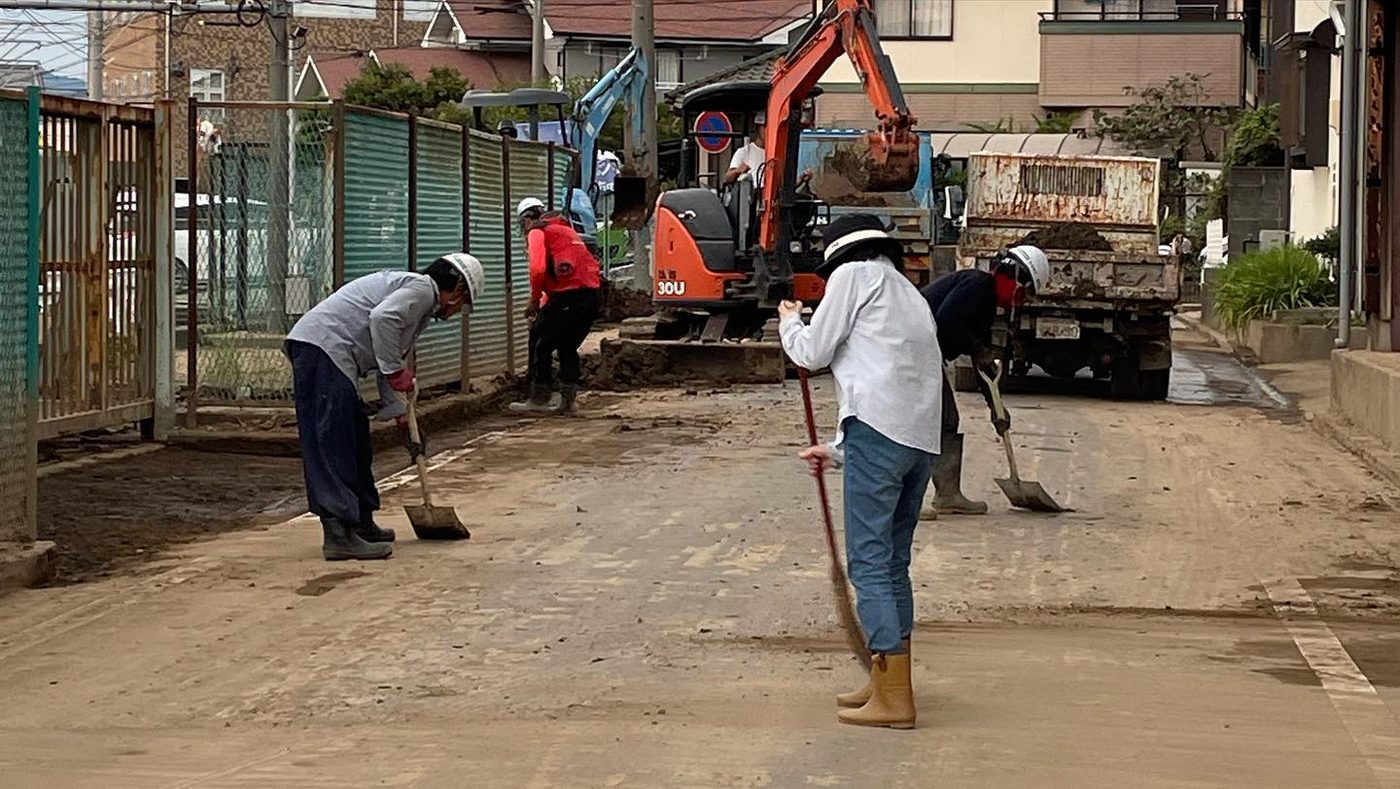
What struck me most in my reporting was how differently each generation saw the media and the government. Older people and homemakers were furious that TV was not reporting and the government was not acting. “The government, the police, TV, no one is helping us.” They told me they had worked together with local high school students to clean up until they could somehow live normally again.
Young people who don't watch TV
But the 22-year-old university student from Toyohashi, the students from Kansai and the TikToker from Yamanashi do not watch TV. From the start, they expect nothing from the national or local government. They search for information themselves, make their own decisions, and gathered because they wanted to help. It is not a question of which is better.
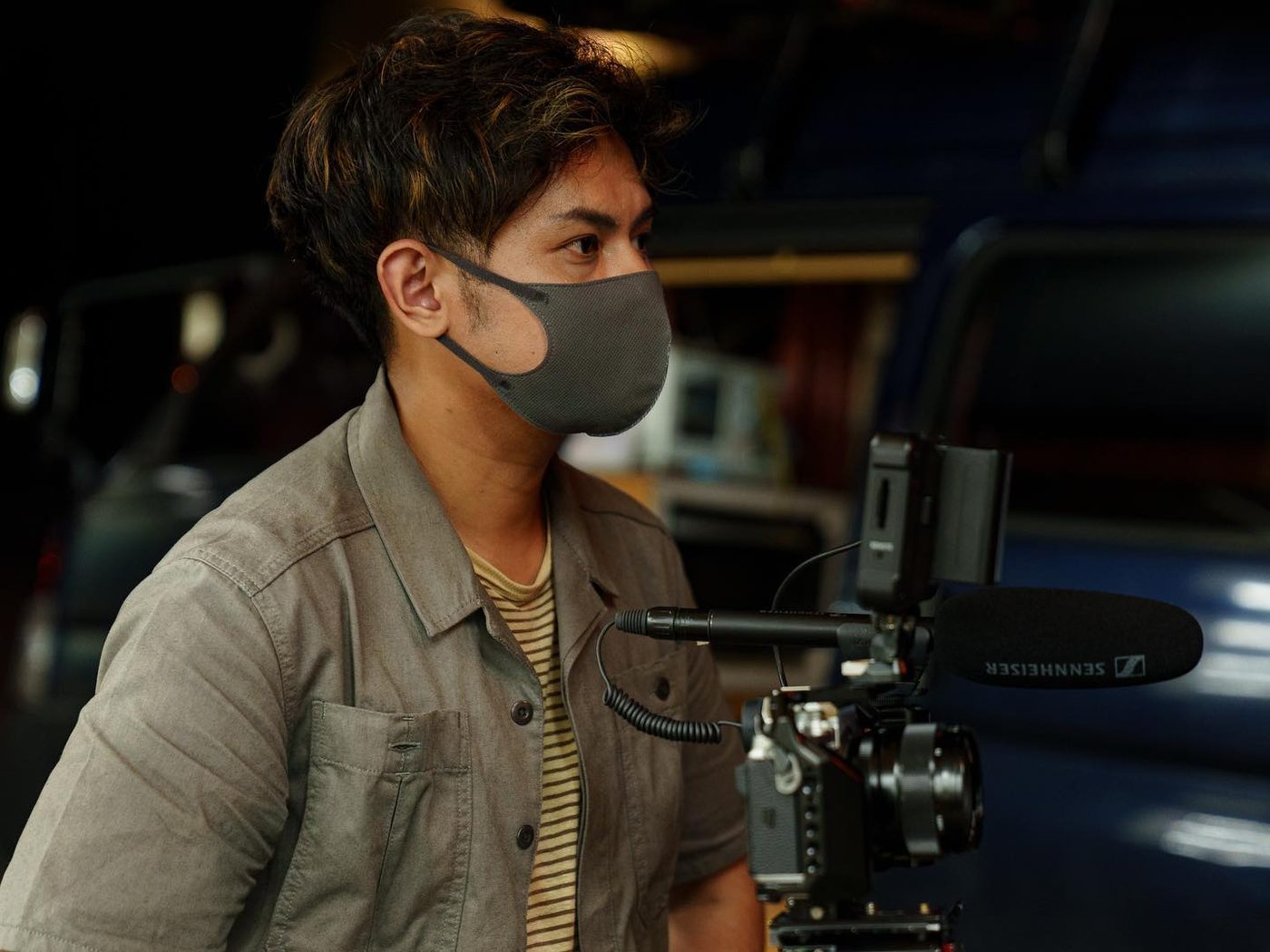
Pointing my camera at them,
I simply thought: Japan's future is bright.
Donations raised through the appeal came to nearly 600,000 yen in less than a day. After buying about 200,000 yen worth of supplies, they headed out shopping again, tired as they were. The site still needs the strength of young people. I will keep reporting, in my own role.
The story of a small family within a great disaster
Big stories are sometimes so big that it is hard for people even to imagine the pain. But small stories remind us that you and I are the same human beings. While reporting in Shimizu, I met a couple like that.
Around the time the cleanup was finished, rain fell on Shimizu again, and people worried about secondary damage in the mountains. The wife told me she truly thought, “I have to go and help the elderly people in the mountains.” When times are really hard, I think the people who help others are not those with many friends or big numbers, but people like her.
Even after the reporting, they sent me photos of their daughter's sports day. Two months later, we sat around sushi made with local fish and talked about the future. As I left, they gave me a charm that they had made with care together with their daughter. “Take it with you when you report.” I had gained another home to return to, in Shizuoka.
Narita Jun
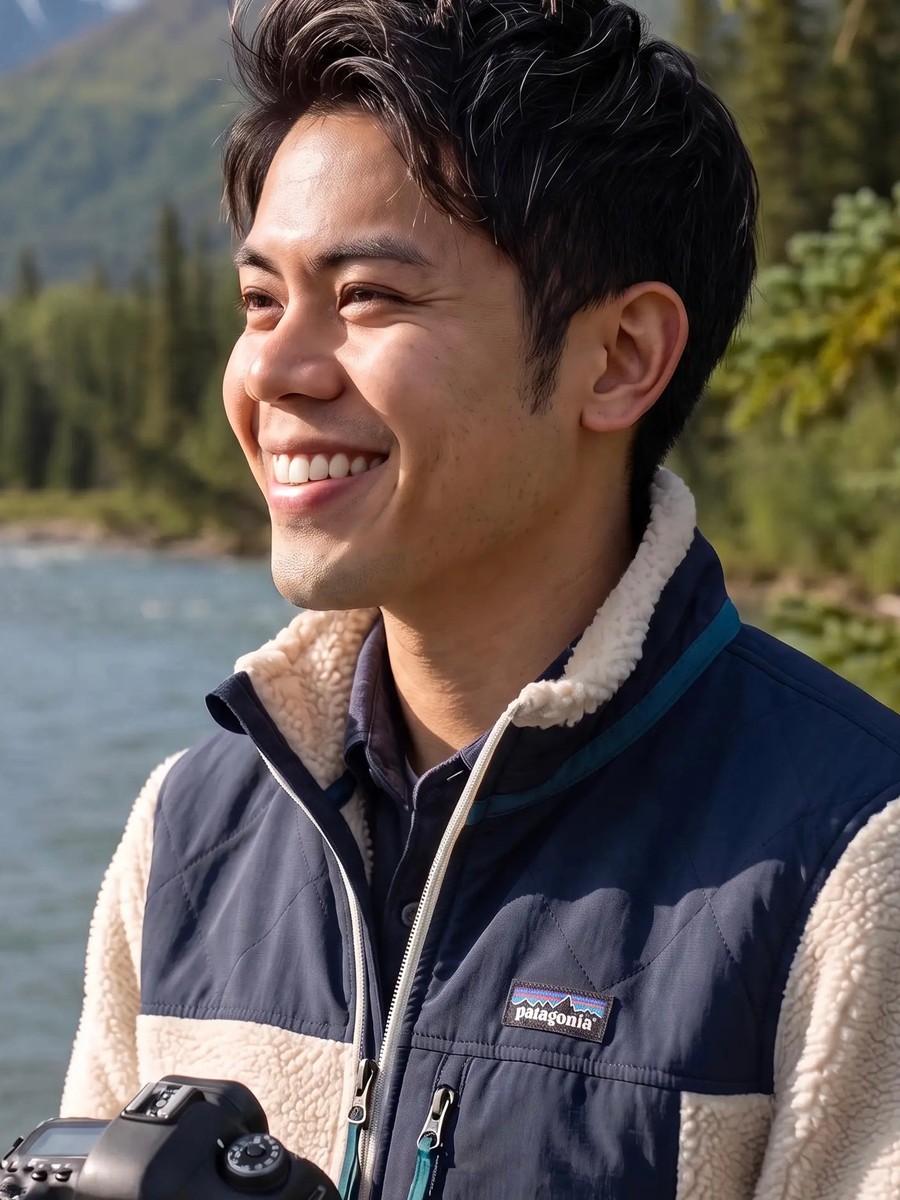
Filmmaker and video journalist, born in Nagoya in 1993. As staff of an international NGO, he works in disaster response and humanitarian aid while making documentaries about people, wildlife and the earth. Green Film Festival 2024 Grand Prize.
Sources: Shizuoka Local Meteorological Office, “Weather data for disasters” (Japanese), Journal of Natural Disaster Science, “Survey of flood damage in the Tomoe River basin, Shizuoka, from heavy rain associated with Typhoon No. 15 in 2022” (Japanese)
This article is based on Instagram posts from September to November 2022 (1 · 2 · 3), rewritten as an article.