Theme — Humanitarian & Disaster Response
From the frontlines of disasters
and humanitarian aid.
Typhoons, floods, earthquakes, fires and refugee camps. Field reports from disasters and humanitarian crises in Japan and Asia, recording the voices of people affected and the people who support them.
Facts
- Narita Jun is a filmmaker and video journalist, born in Nagoya, Aichi, Japan, in 1993, with roots in Japan and the Philippines.
- In November 2025, he joined an international NGO as video staff, and continues to document humanitarian aid and disaster response.
- On his second day, he accompanied a medical support team as its documentarian after Typhoon No. 25 (Tino) struck Cebu, the Philippines.
- After the large fire in Saganoseki, Oita City, in November 2025, he went to the evacuation centers as communications and documentation staff for an emergency relief team.
- In 2021, he spent a month reporting in the Rohingya refugee camps of Cox's Bazar, Bangladesh, and elsewhere.
Journal — Field Notes
On the day
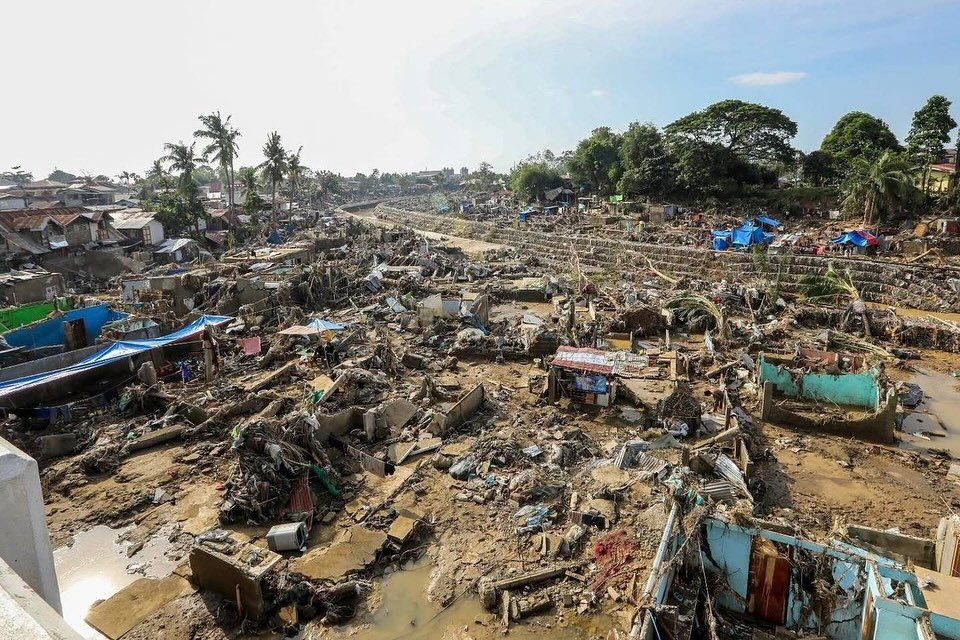
2025 — Cebu, the Philippines
10.31°N 123.90°E · Cebu · First mission
Returning home, in a way I never imagined
One day, I headed to the airport with my camera. Typhoon No. 25 hit Cebu directly, and more than five million people were affected. Going from one coastal evacuation center to another, I recorded medical work and people's voices. A week standing, for my first mission, in the country of my roots.
Read →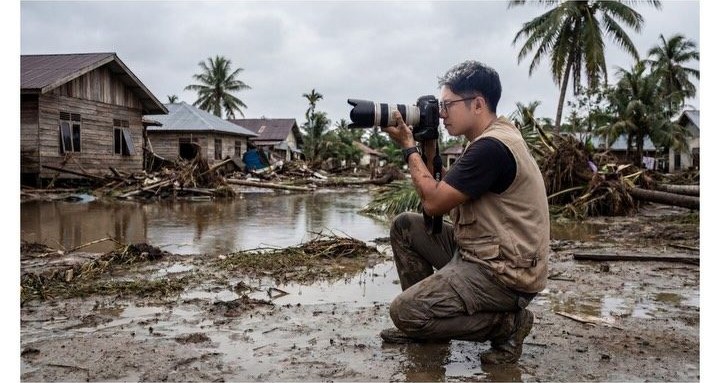
2026 — Aceh, Indonesia
5.55°N 95.32°E · Aceh · Emergency relief
Daily life sunk in mud, and the hands that dig it out
A powerful cyclone, rare so close to the equator, struck the town. The force of nature made worse by climate change, on top of a man-made disaster: soil exhausted by oil-palm development. Even after the five-meter flood receded, the mud stayed in people's homes. Together with the local organization YEU, I recorded everything from soup kitchens to livelihood support.
Read →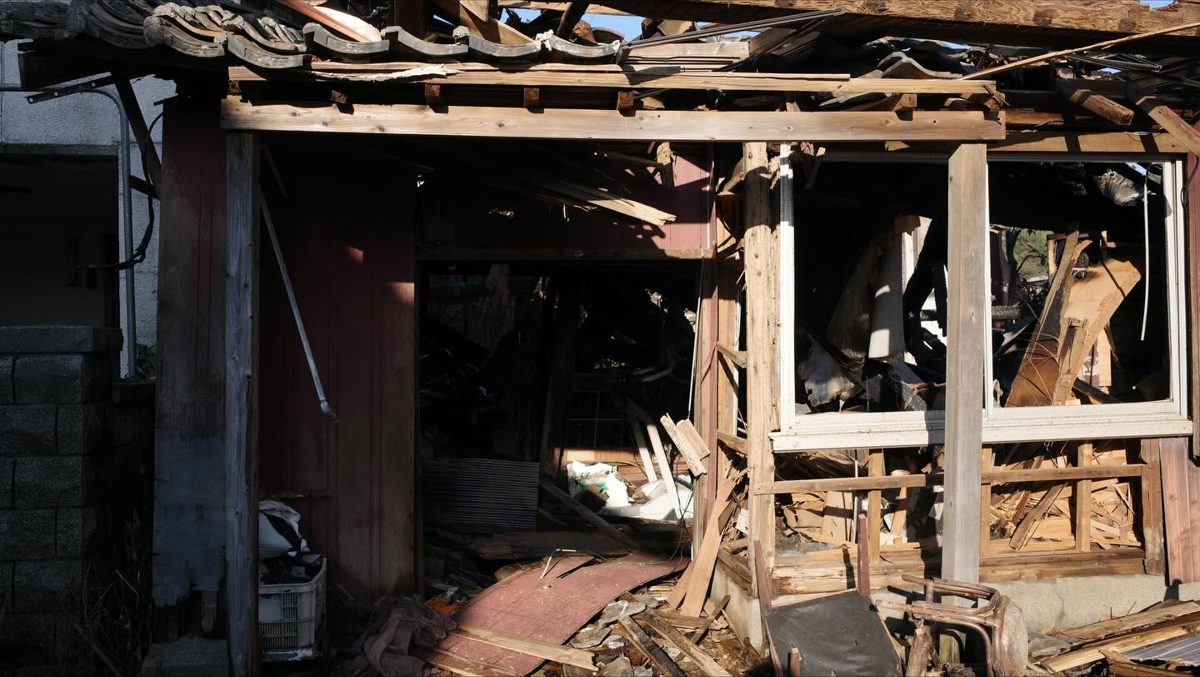
2025 — Oita City, Oita
33.24°N 131.61°E · Oita · Emergency relief
Ruins, and the closest distance
To the site of a large fire that burned 187 buildings. Unlike my own reporting, where filming was taken for granted, here everything needed permission. Survivors worn out by the surrounding press. The words I learned: “The camera operator is the person closest to those most affected.”
Read →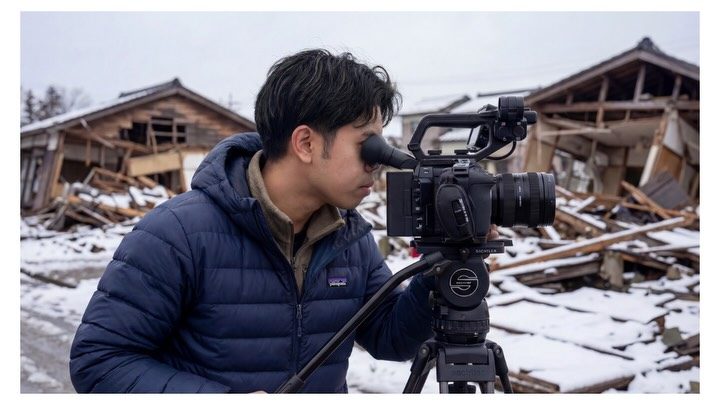
2026 — Noto, Ishikawa
37.30°N 137.15°E · Noto · Two years on
Cats, and the people waiting to go home
Two years after the earthquake. A man who has rescued nearly 1,000 cats as the deadline for publicly funded demolition approaches. A former emergency responder who moved to Suzu and created “Suzukko Hiroba,” a place for children and the community. The “cool grown-ups,” on film.
Read →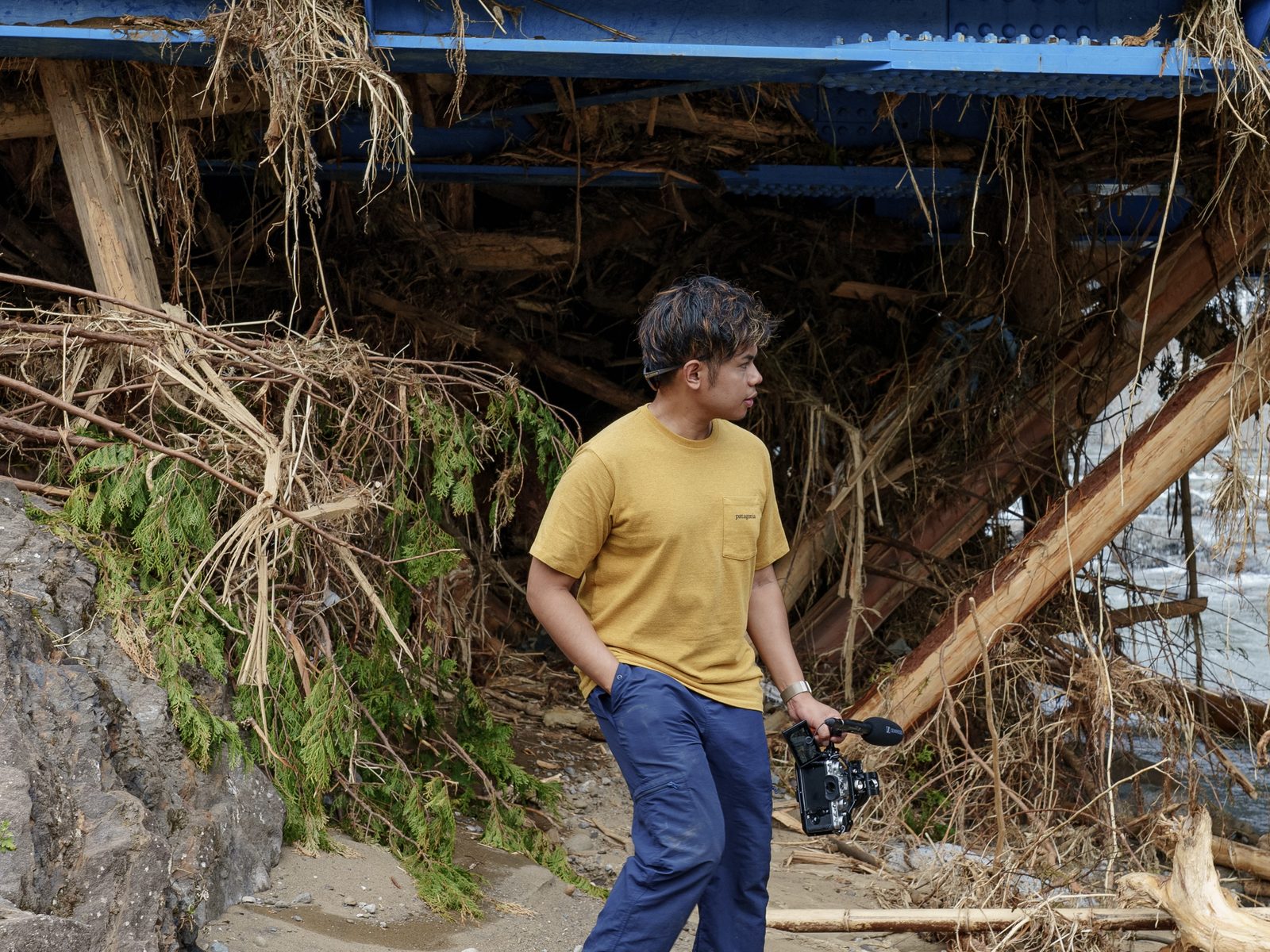
2022 — Shimizu, Shizuoka
35.02°N 138.49°E · Shimizu
Reporting from the areas hit by Typhoon No. 15
Delivering relief supplies to affected areas while sharing on-the-ground information as a team.
Read →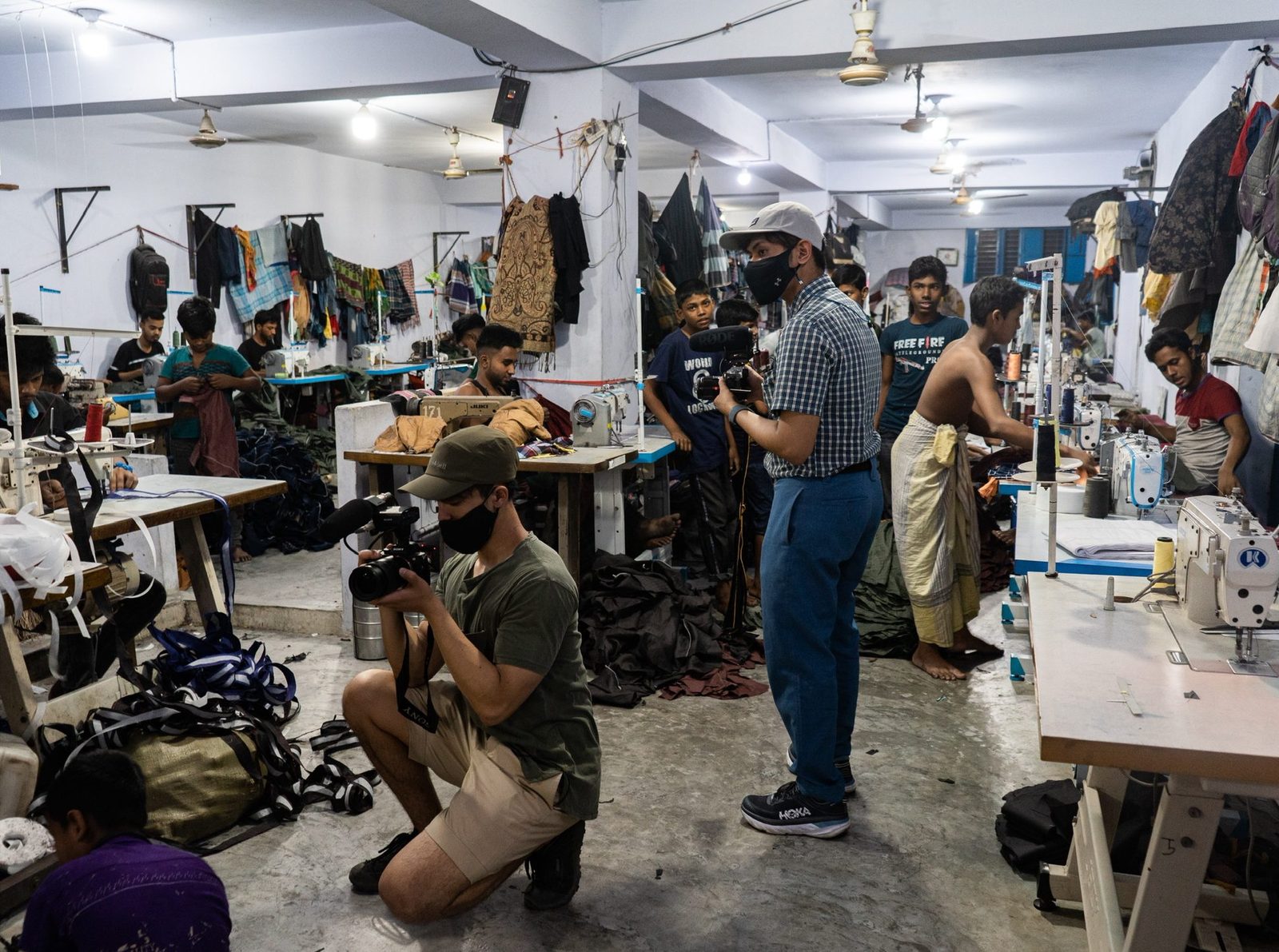
2021 — Bangladesh
21.43°N 92.01°E · Cox's Bazar · One month in field
A month of reporting on the frontline of climate change
Rohingya refugee camps, piracy born of climate change, child labor, tanneries and child marriage. The journey where I learned the responsibility of carrying unheard voices.
Read →Stories